




Landmark Ruling by the European Court of Justice
The European Court of Justice (ECJ) has ruled that Hungary's anti-LGBTQ laws, enacted in 2021 under Prime Minister Viktor Orbán, violate European Union law on multiple fronts. The court noted that the laws stigmatised and marginalised LGBTQ individuals, associating them with criminal behavior, which is contrary to the EU's commitment to a pluralistic society.
The Controversial Legislation
Hungary's legislation, often referred to as "the amending law," sought to limit children's access to information on transgender and homosexual issues while toughening penalties for sex offenses. Critics argued that the law, introduced five years ago, was initially framed as a child protection measure but was later amended to include bans on the "promotion of homosexuality" to minors. The ECJ highlighted that the law's discriminatory nature violated protections against discrimination based on sexual orientation, which are guaranteed by EU law.
Implications for Hungary's New Government
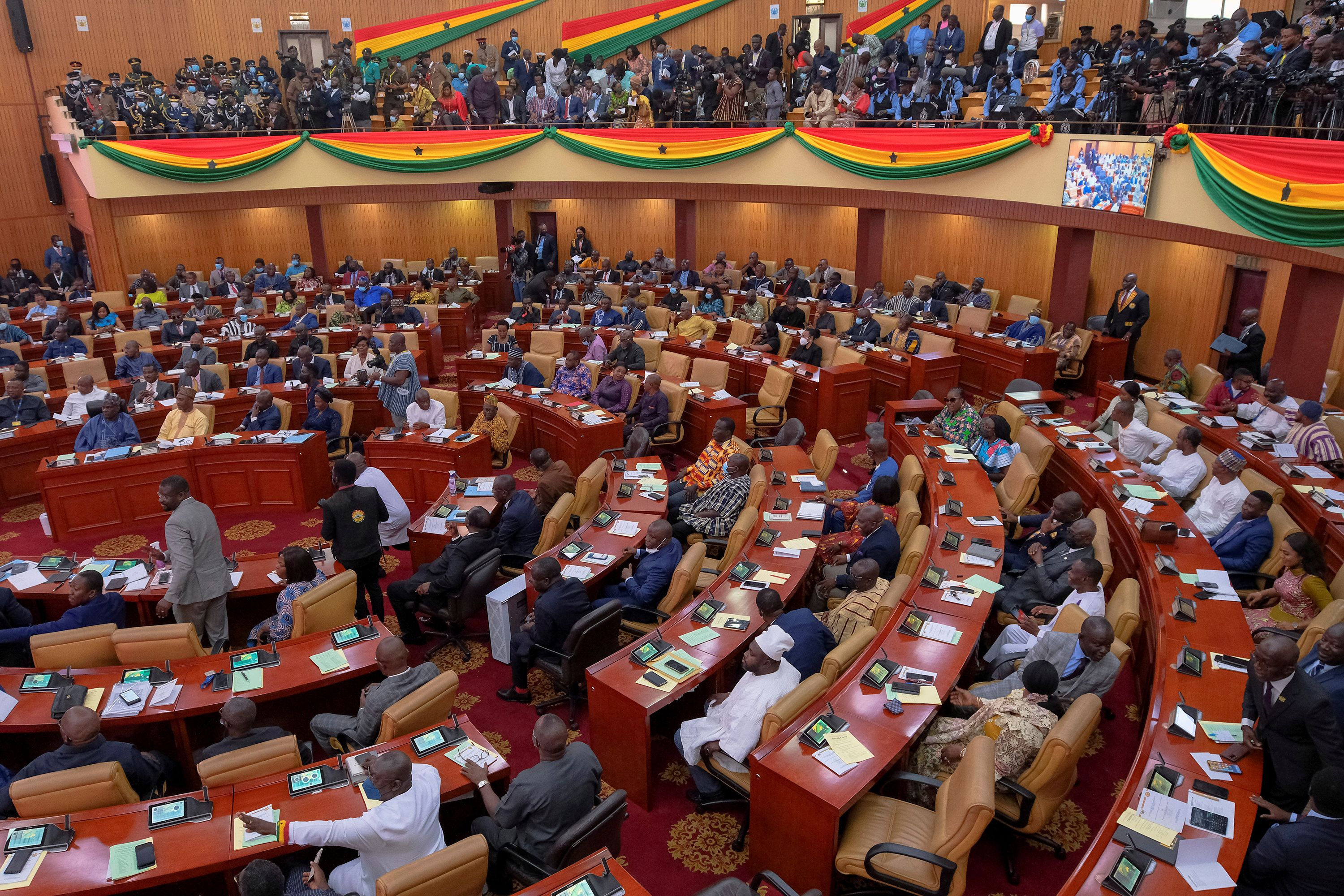
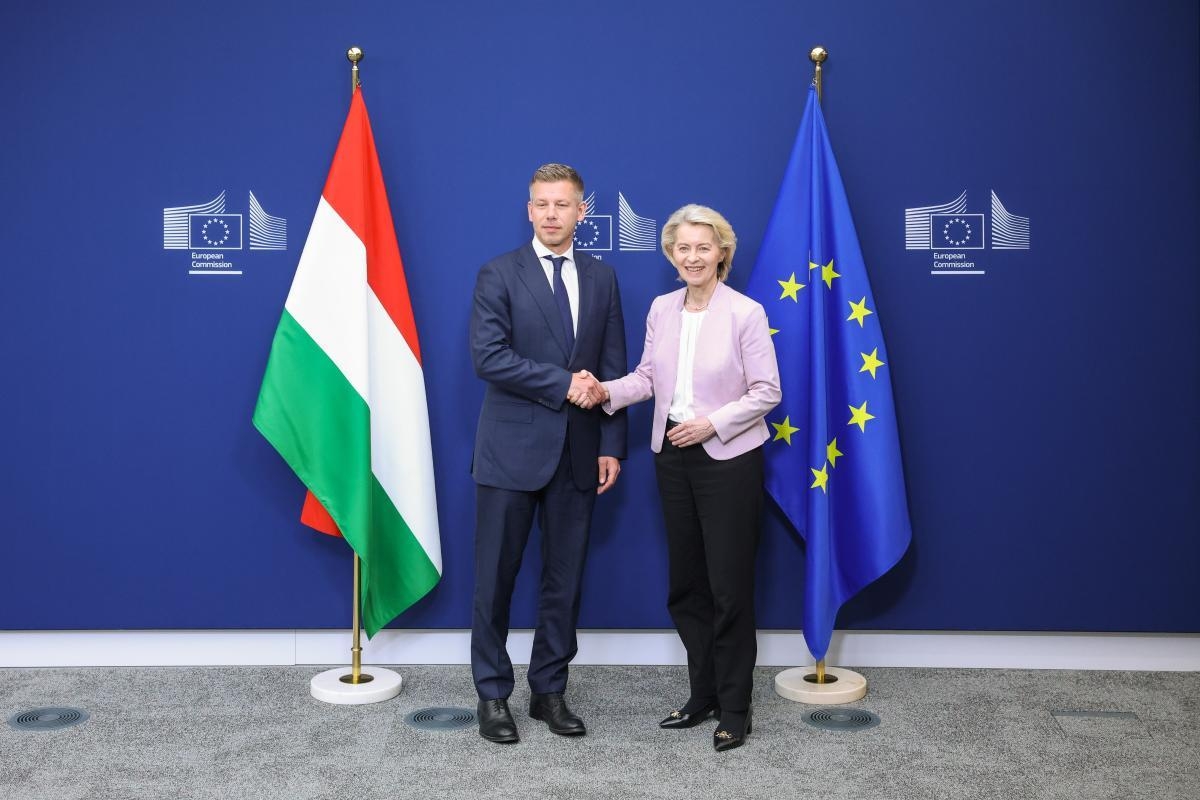
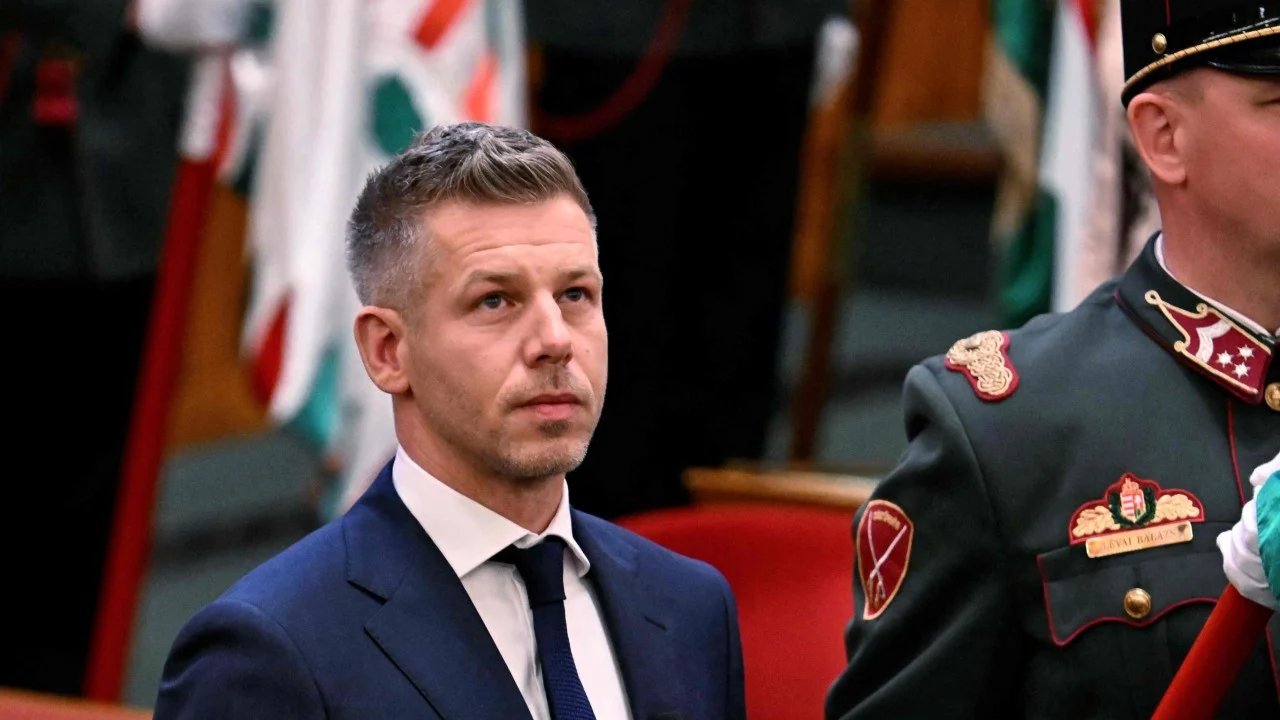
The ruling puts significant pressure on Hungary's incoming government, led by Péter Magyar, who recently defeated Orbán in elections. Magyar's Tisza party has vowed to take a more pro-European stance and holds 141 seats in the 199-seat National Assembly. In his victory speech, Magyar expressed a commitment to fostering an inclusive society where no one is stigmatised for their identity. The European Commission has urged the new government to promptly address the ECJ's ruling to avoid potential sanctions from Brussels, with spokeswoman Paula Pinho stating, "It's up to the... Hungarian government to abide by the ruling and once that is done the issue is solved."

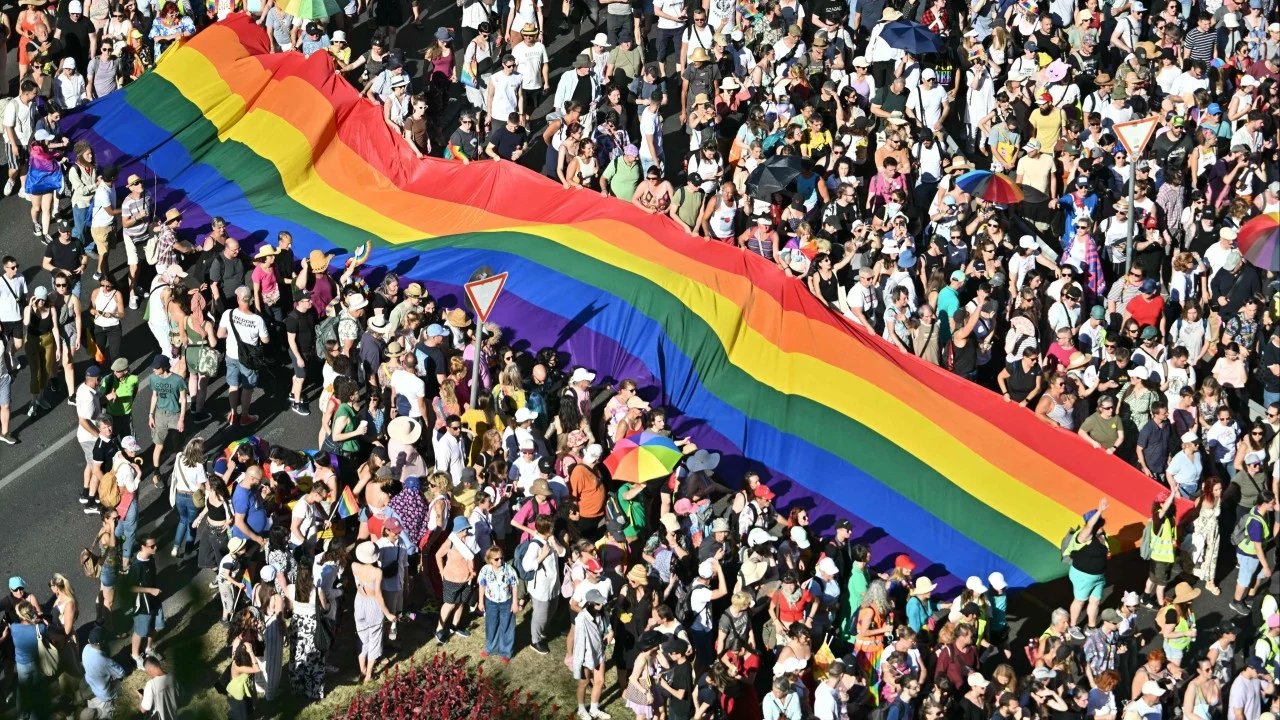
The sources also report that around 100,000 people marched at Budapest's Pride event last year, defying the ban from Orbán's government.

The BBC reports that Gergely Karácsony, the mayor of Budapest, faced charges for allowing the Pride march to proceed despite the ban enacted by Viktor Orbán's government.
Reactions from Activists and Scholars
LGBTQ rights advocates welcomed the ruling as a historic milestone in the fight for human rights within the EU. Katja Štefanec Gärtner of LGBTQ rights group Ilga-Europe called for the European Commission to require Hungary to repeal its discriminatory laws without delay. John Morijn, a law professor at the University of Groningen, emphasized that the ruling signals that the rights of marginalized groups cannot be compromised and sets a precedent for future legal actions against member states violating EU values.
Wider Legal Implications
This ruling marks the first time the ECJ has found a member state in violation of Article 2 of the EU Treaty, which outlines core values such as respect for human dignity and equality. The court's decision could influence other EU member states with similar legislation, reinforcing the notion that fundamental rights cannot be overridden by national identity claims. The ECJ clarified that Hungary cannot justify its laws as protective measures when they fundamentally violate EU principles.
Next Steps for Hungary and the EU
As Hungary's new leadership prepares to take office, the focus will be on how quickly they can address the ECJ's ruling. The European Commission has made it clear that compliance with the court's decision is essential for Hungary to unlock billions in EU funding currently frozen due to concerns over rule of law and democratic standards. The outcome of this situation may set a critical precedent for human rights protections across the European Union.















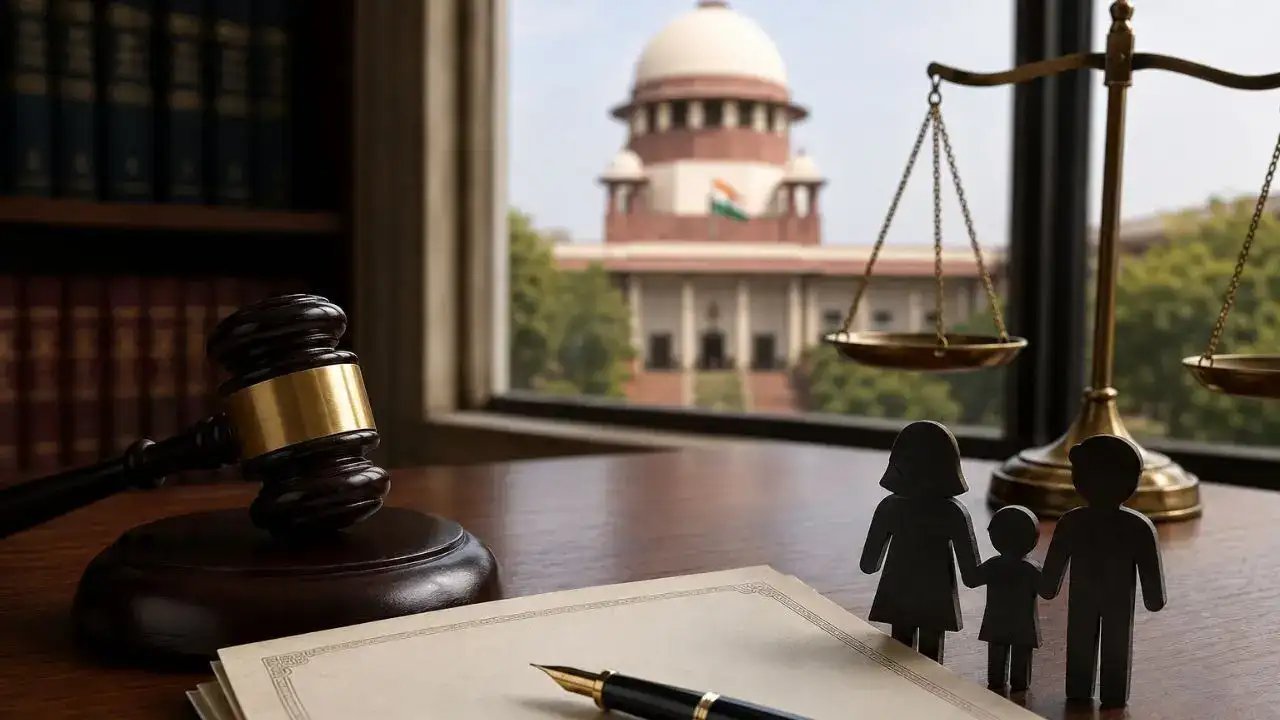



































































































































































































































































































































For example, the Hungarian law was initially justified as a measure to toughen punishments for child abuse before being amended to ban the 'promotion of homosexuality' to under-18s.