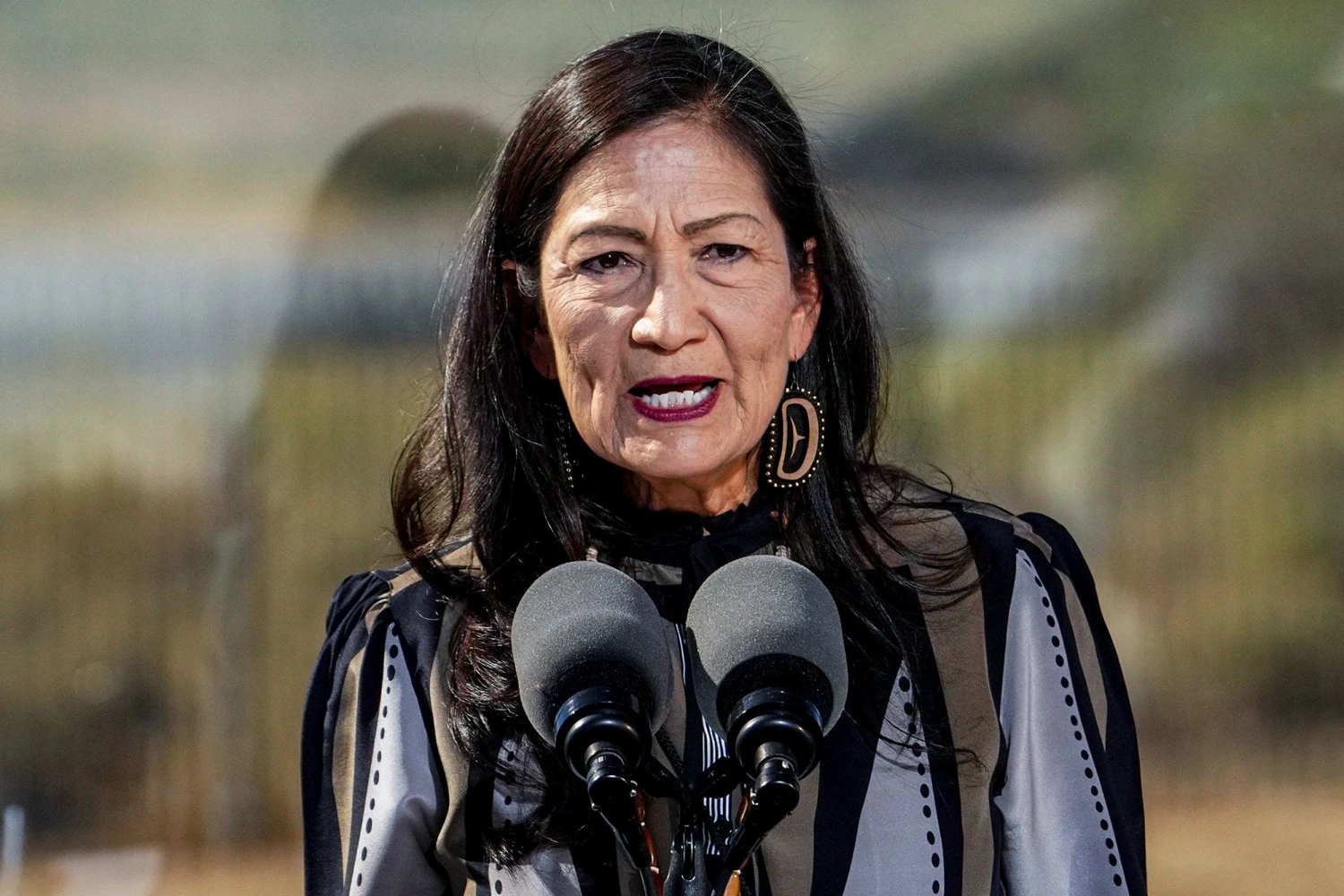
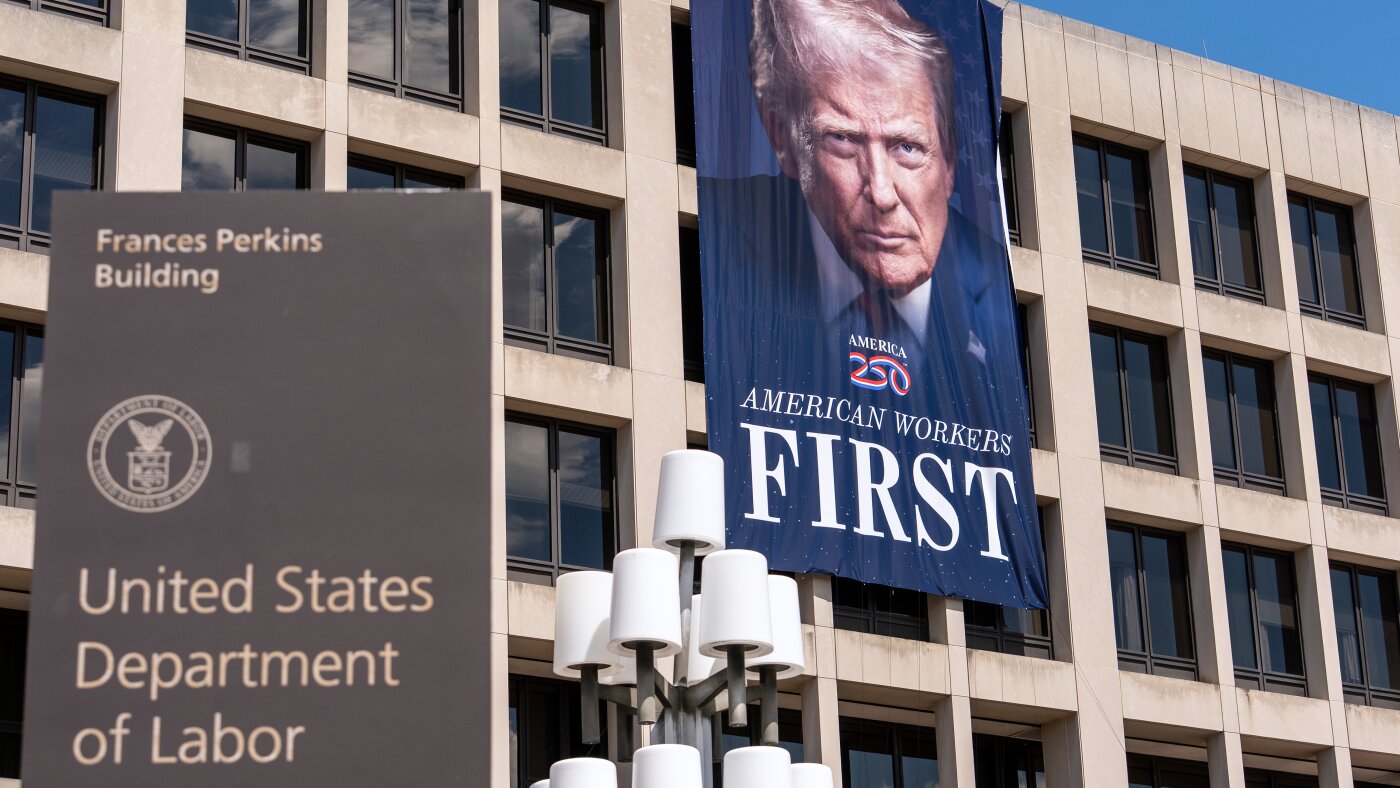
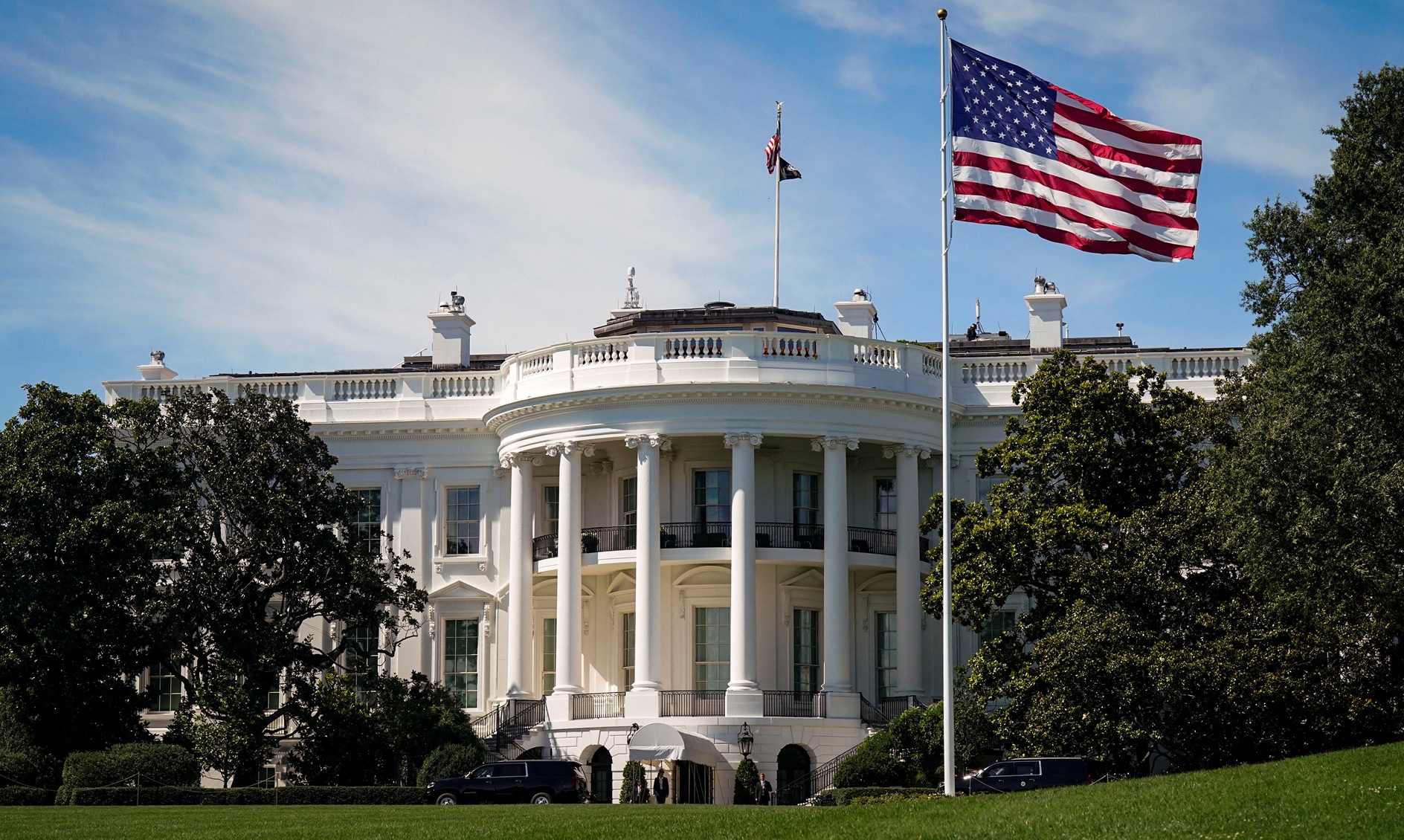
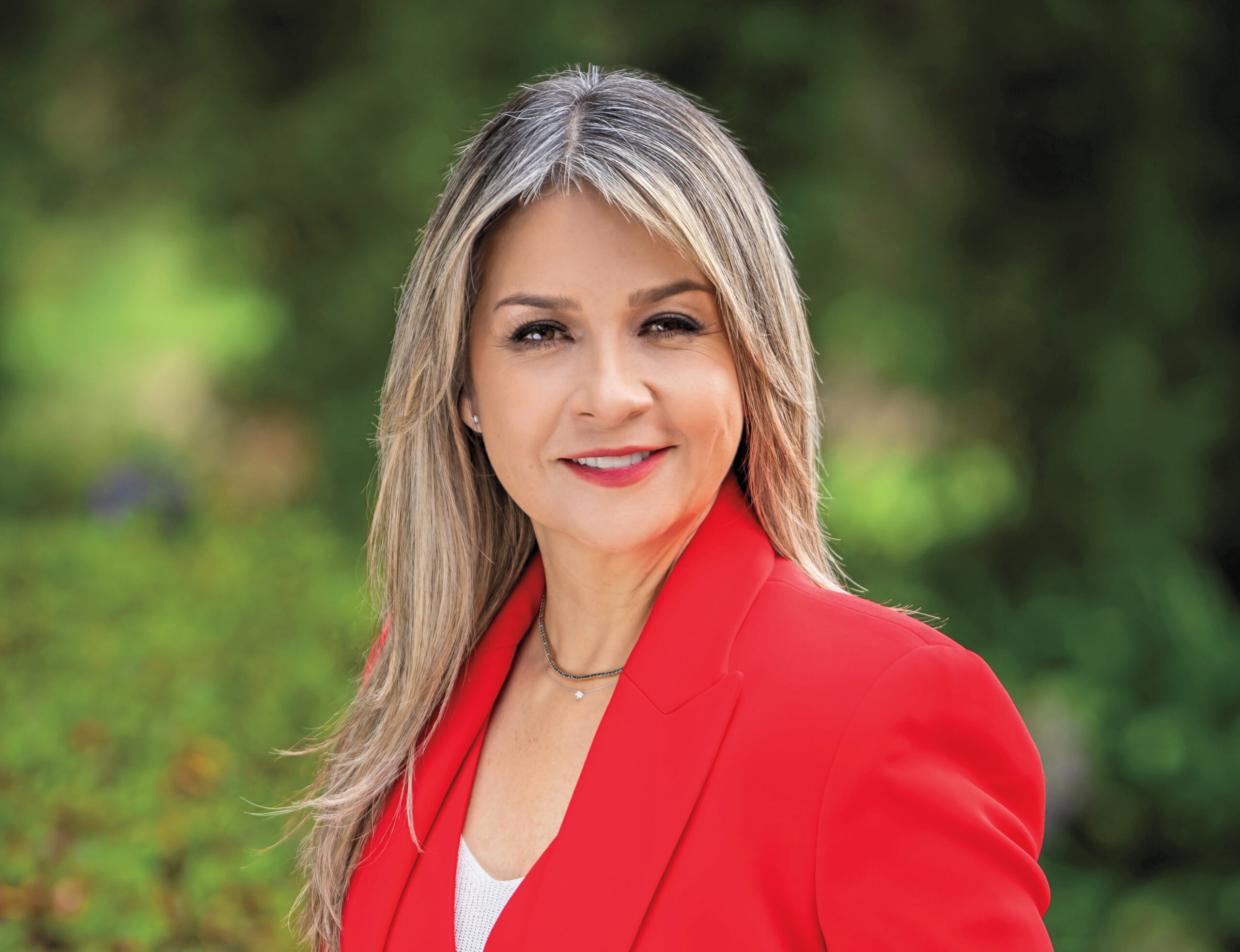
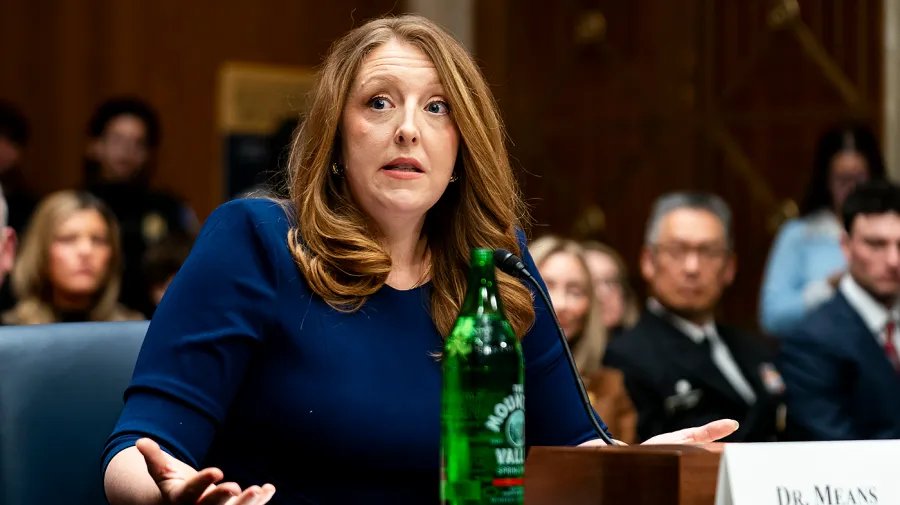
Labor Secretary Lori Chavez-DeRemer has resigned from her position in the Trump administration following allegations of misconduct. The announcement came from White House spokesman Steven Cheung, who stated that Chavez-DeRemer will transition to a role in the private sector.
Chavez-DeRemer faced serious allegations that contributed to her resignation. A months-long investigation stemmed from a whistleblower's accusations of professional misconduct, including an alleged affair with a member of her security team and drinking alcohol while on the job. The investigation also included the alleged use of department resources for personal travel.
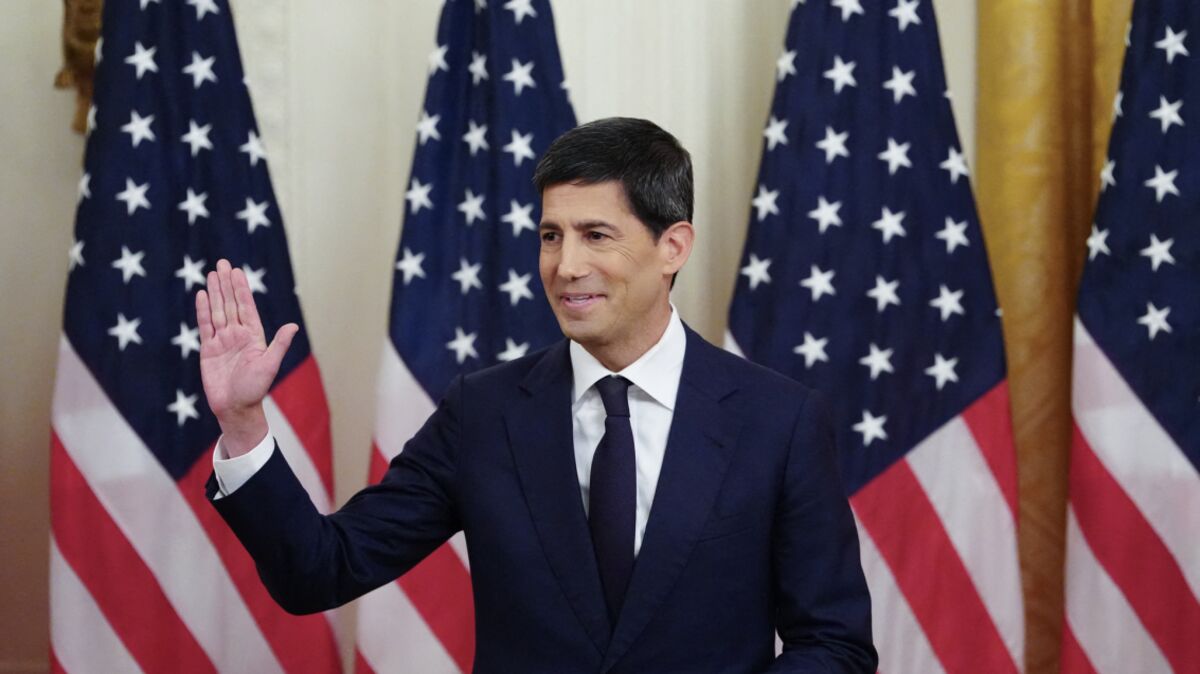
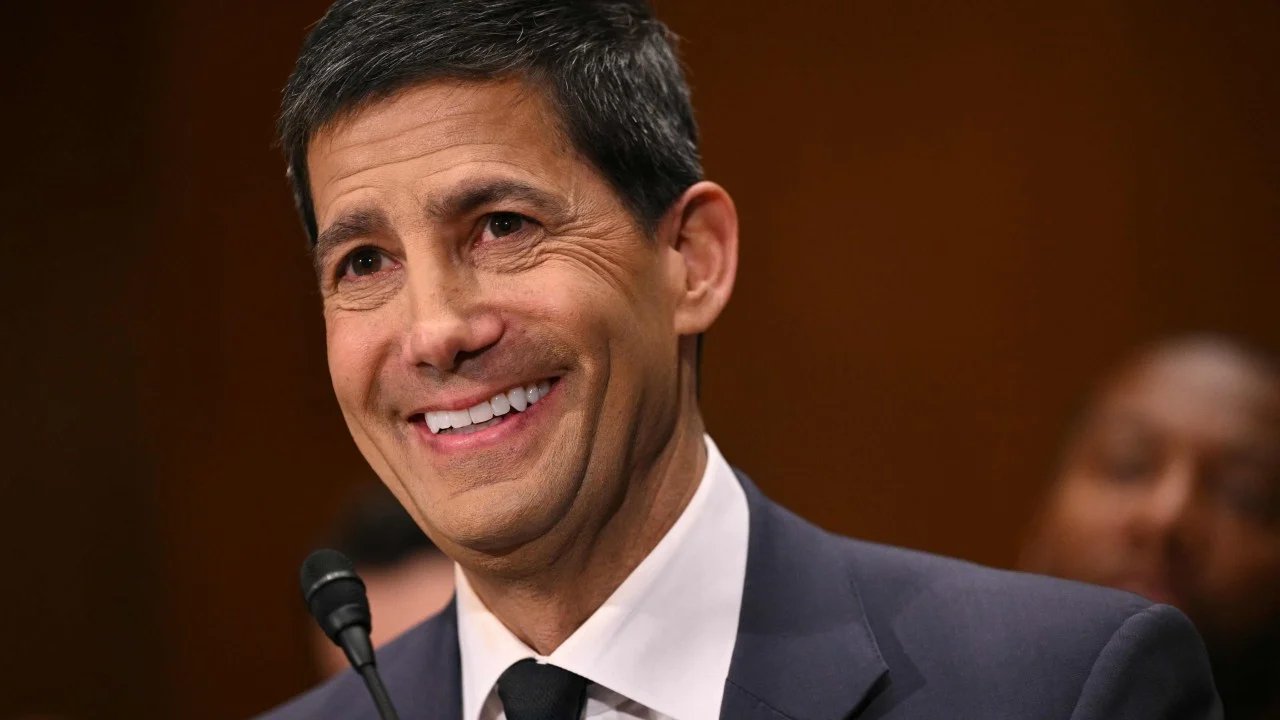
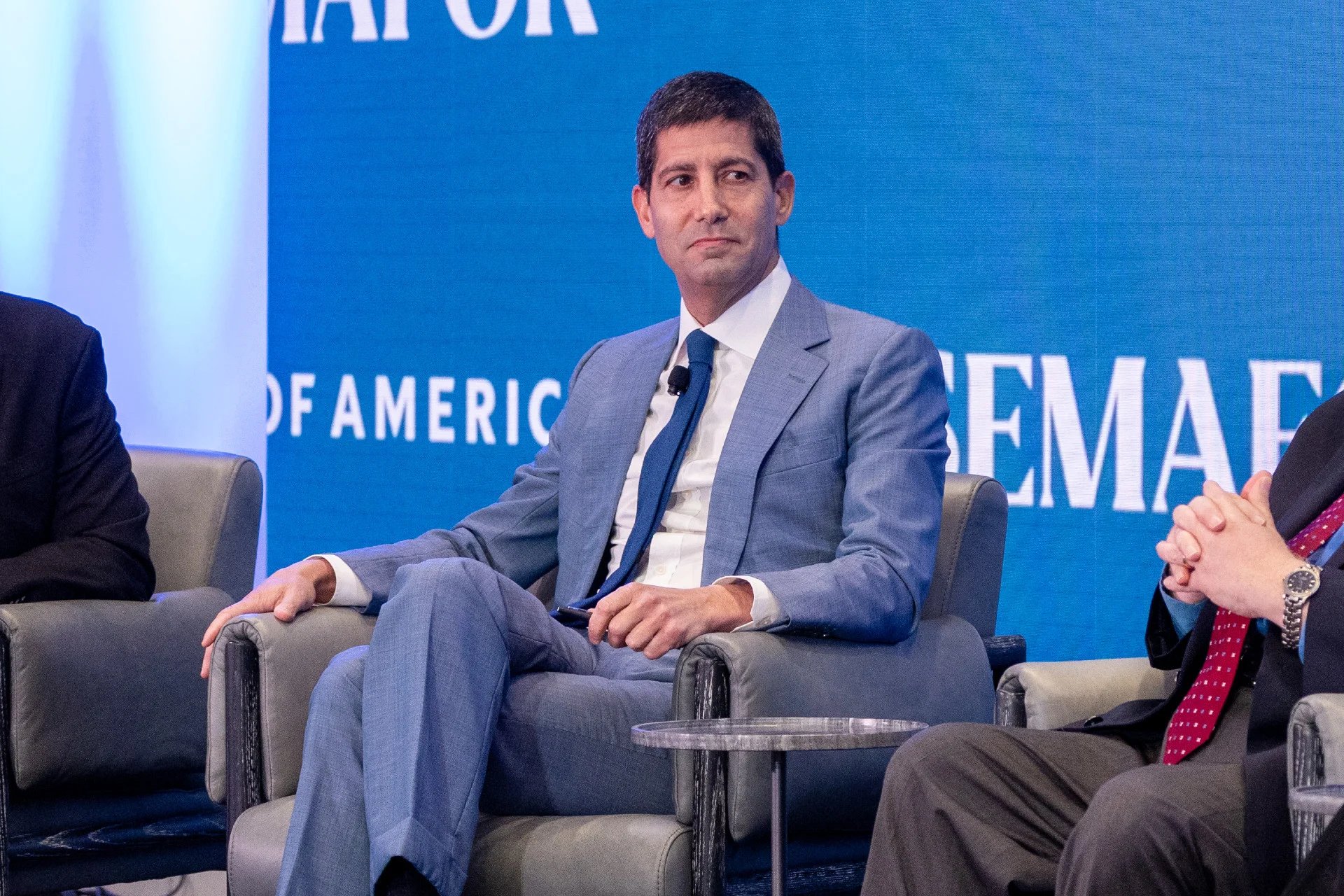
In the wake of Chavez-DeRemer's resignation, Keith Sonderling, the current deputy secretary of labor, has been appointed as the acting head of the department.
Chavez-DeRemer, a former congresswoman from Oregon, was known for her pro-union stance within a Republican administration. She supported legislation like the Protecting the Right to Organize (PRO) Act, which aimed to strengthen workers' rights and union representation.
The circumstances surrounding her resignation involved not just her professional conduct but also personal issues. Reports surfaced about her husband being accused of sexual misconduct by Department of Labor staffers, which added to the scrutiny surrounding her leadership. Text messages reportedly sent by her husband and father to her female staff were cited as a significant factor in the decision to resign, with sources describing them as "the final straw."
Chavez-DeRemer expressed pride in her accomplishments in her role, stating her commitment to continue advocating for American workers even after leaving the administration. She emphasized her belief in bridging the gap between business and labor, indicating her desire to maintain her influence in the labor sector from a private position.
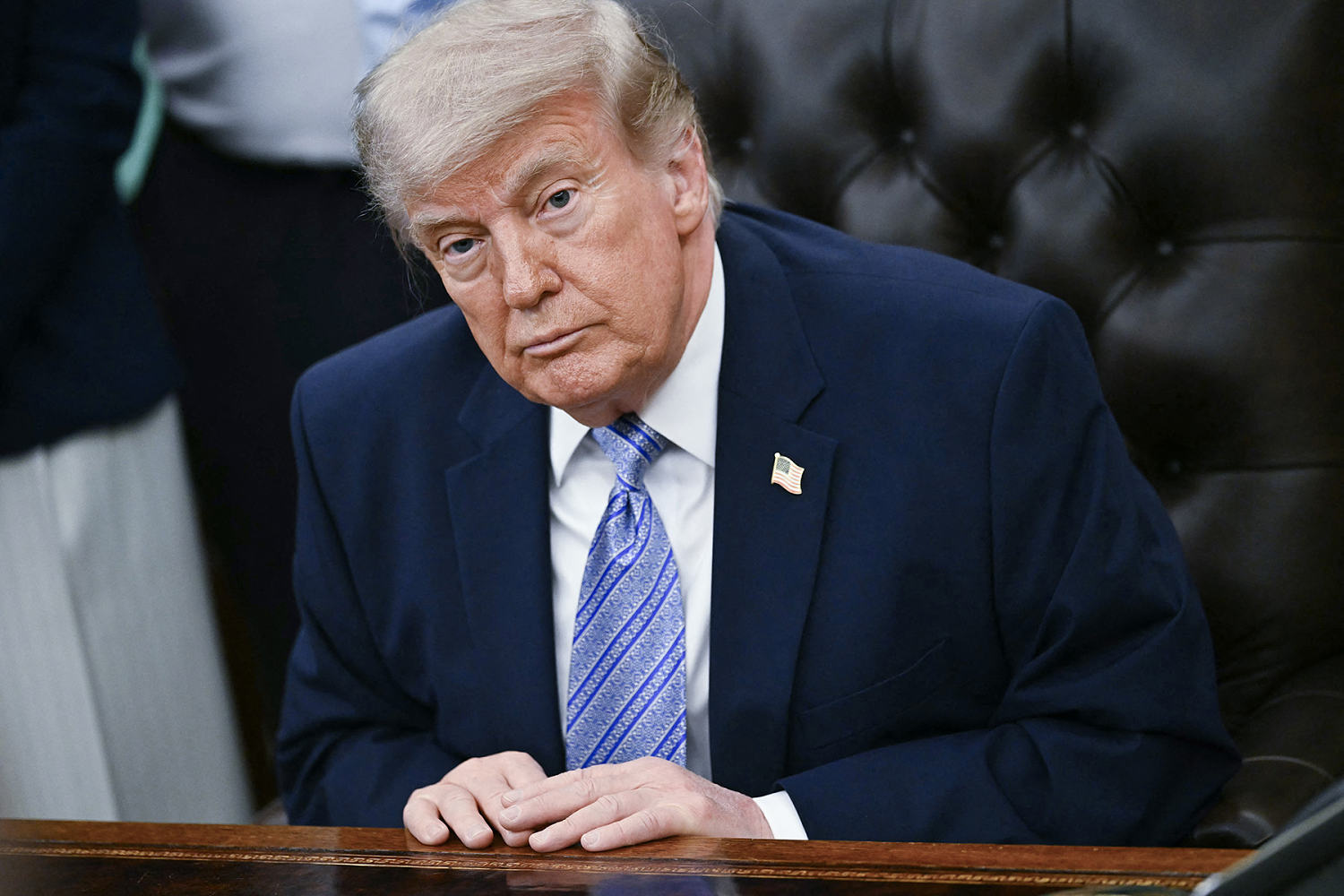
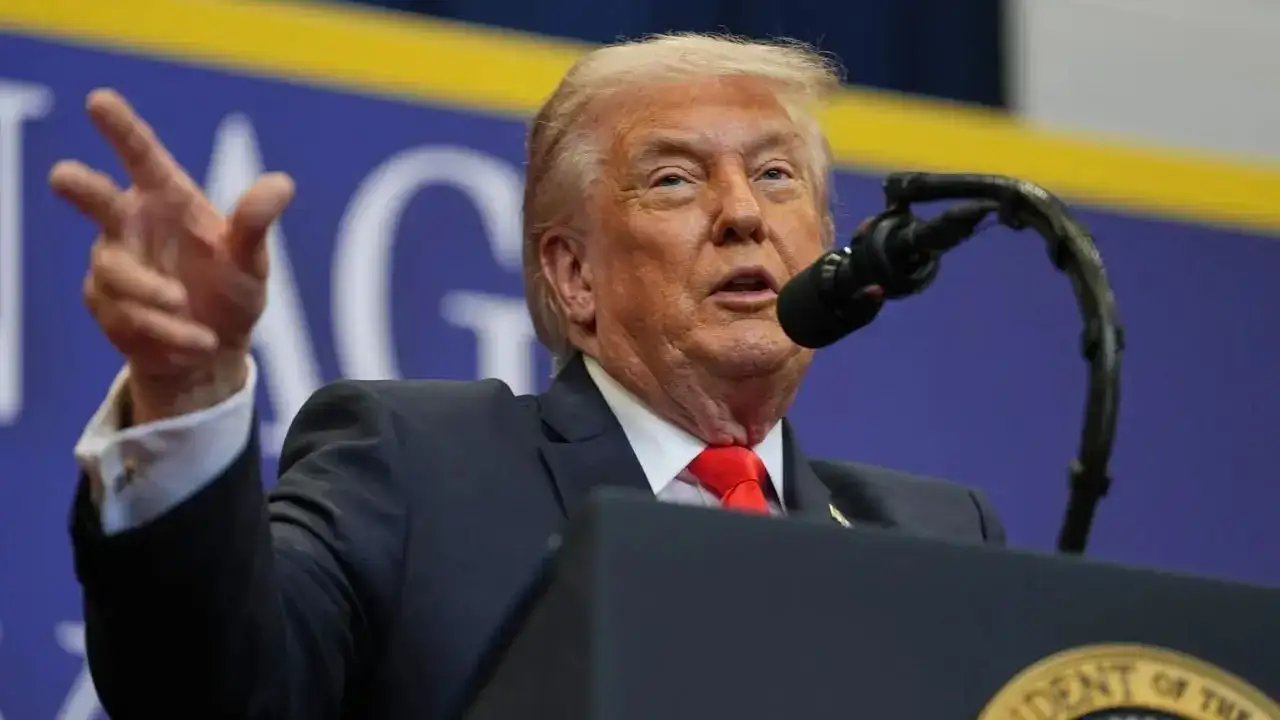
Chavez-DeRemer's departure may have broader implications for the Trump administration, which has seen a wave of cabinet changes recently. As President Trump navigates a tumultuous political landscape, the ongoing challenges within his administration raise questions about stability and leadership moving forward. The administration's focus on labor issues and workers' rights remains critical, particularly as the nation grapples with economic recovery.
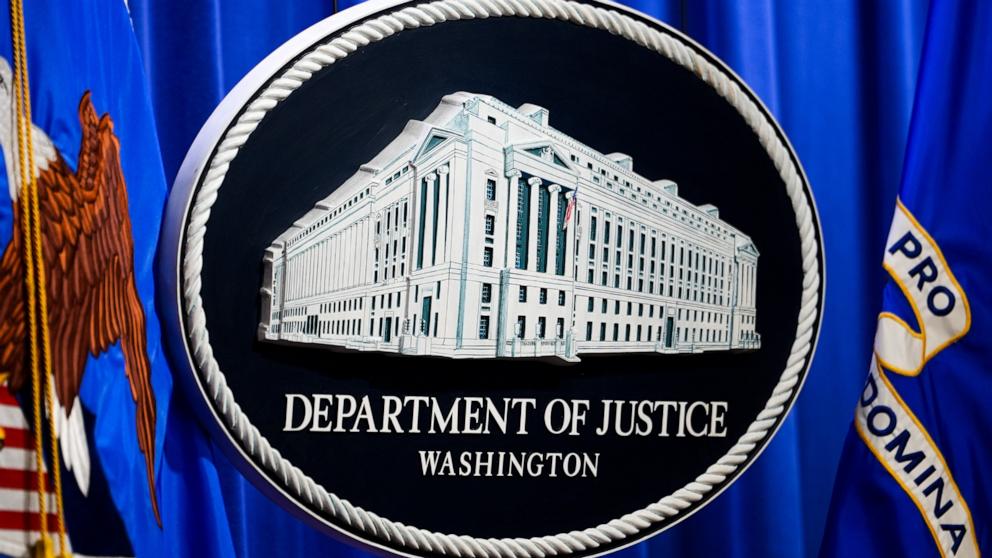
Labor Secretary Lori Chavez-DeRemer has resigned from her position in the Trump administration following allegations of misconduct. The announcement came from White House spokesman Steven Cheung, who stated that Chavez-DeRemer will transition to a role in the private sector. Her exit marks the third cabinet departure in recent weeks, following the firings of Secretary of Homeland Security Kristi Noem and Attorney General Pam Bondi.
Chavez-DeRemer faced serious allegations that contributed to her resignation. A months-long investigation by the Department of Labor's inspector general looked into claims of professional misconduct, including an alleged affair with a member of her security team and drinking alcohol while on the job. Reports also indicated that she may have used department resources for personal travel, raising further questions about her conduct in office.
In the wake of Chavez-DeRemer's resignation, Keith Sonderling, the current deputy secretary of labor, has been appointed as the acting head of the department. The White House praised Chavez-DeRemer for her contributions, highlighting her efforts to protect American workers and promote fair labor practices during her tenure.
Chavez-DeRemer, a former congresswoman from Oregon, was known for her pro-union stance within a Republican administration. She supported legislation like the Protecting the Right to Organize (PRO) Act, which aimed to strengthen workers' rights and union representation. Despite her policy positions, she faced opposition during her confirmation, with three GOP senators voting against her, while 17 Democrats supported her.
The circumstances surrounding her resignation involved not just her professional conduct but also personal issues. Reports surfaced about her husband being accused of sexual misconduct by Department of Labor staffers, which added to the scrutiny surrounding her leadership. Text messages reportedly sent by her husband and father to her female staff were cited as a significant factor in the decision to resign, with sources describing them as “the final straw.”
Chavez-DeRemer expressed pride in her accomplishments in her role, stating her commitment to continue advocating for American workers even after leaving the administration. She emphasized her belief in bridging the gap between business and labor, indicating her desire to maintain her influence in the labor sector from a private position.
Chavez-DeRemer’s departure may have broader implications for the Trump administration, which has seen a wave of cabinet changes recently. As President Trump navigates a tumultuous political landscape, the ongoing challenges within his administration raise questions about stability and leadership moving forward. The administration's focus on labor issues and workers' rights remains critical, particularly as the nation grapples with economic recovery.
Highlighted text was flagged by the council. Tap to see feedback.






























































































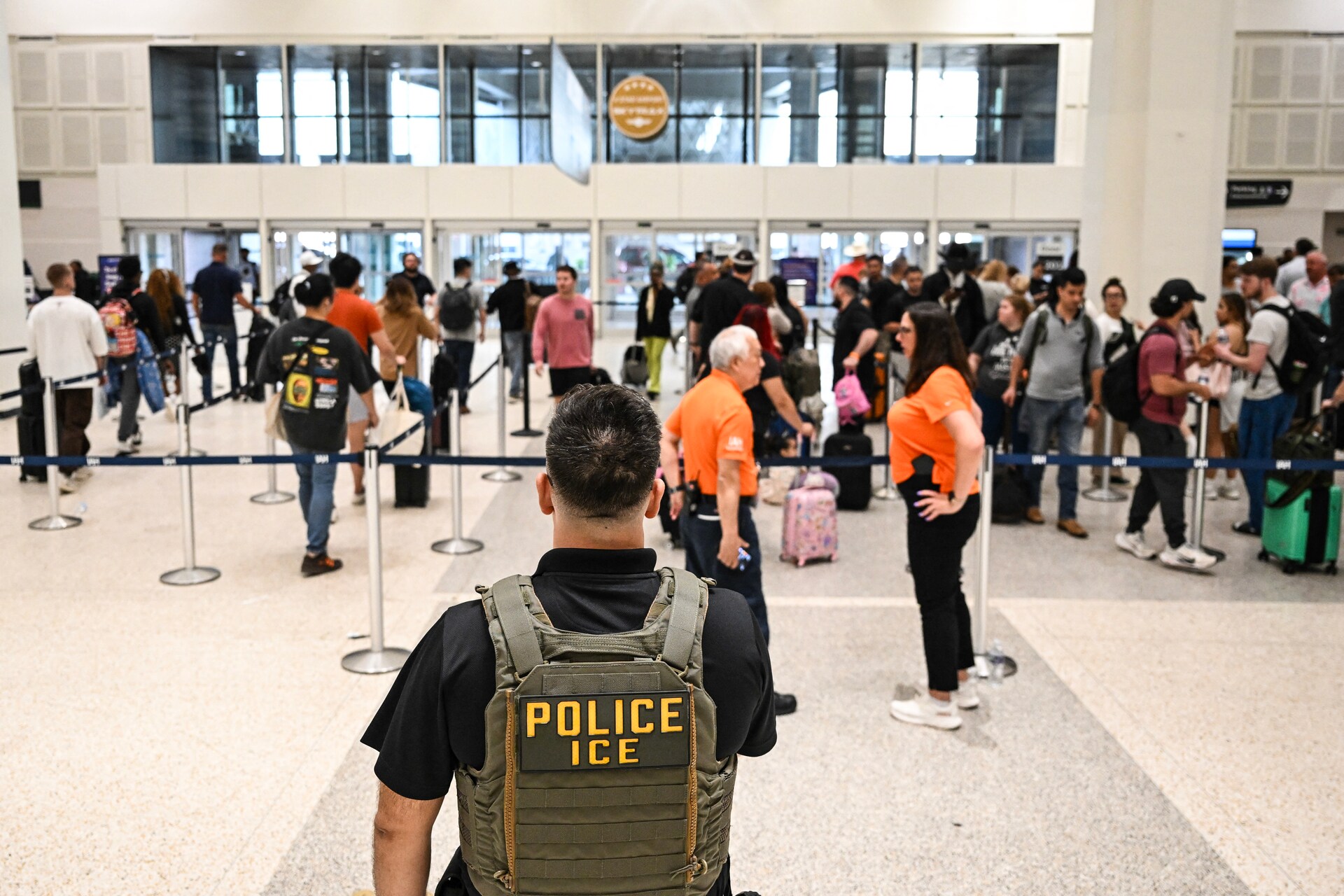


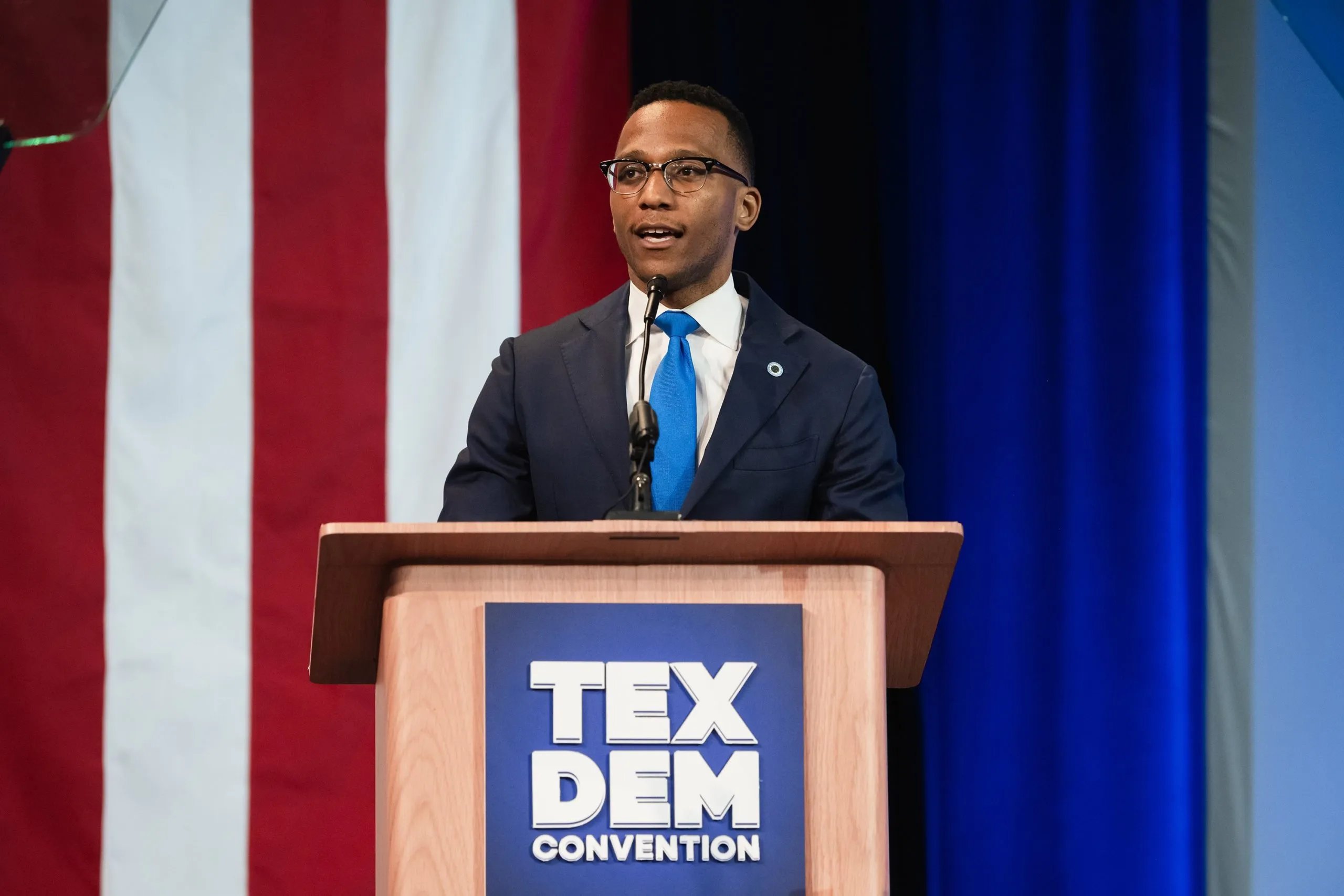



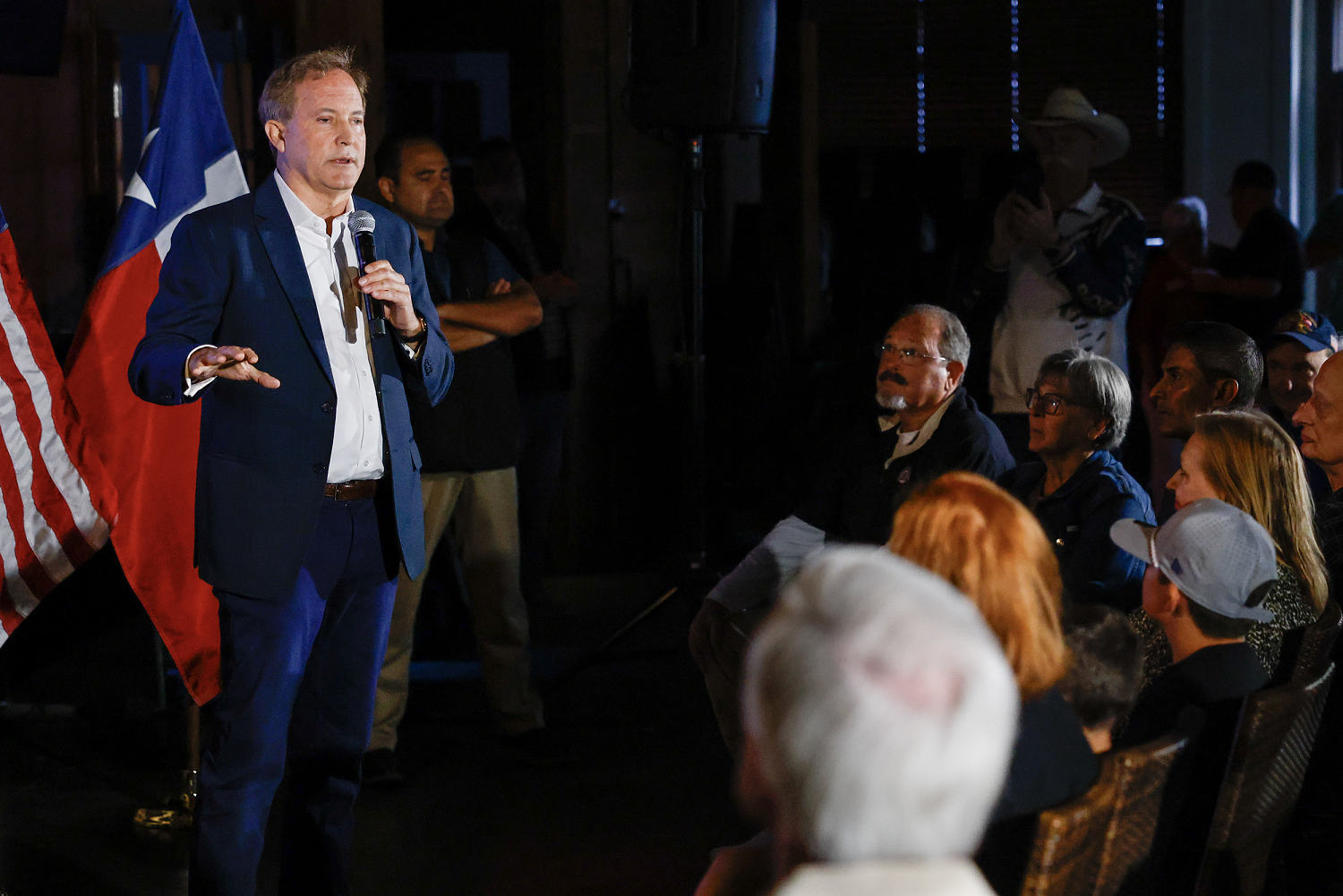





























































































































































The sources also report that Chavez-DeRemer is the third cabinet member to leave, following the firing of Homeland Security Secretary Kristi Noem and the ousting of Attorney General Pam Bondi.