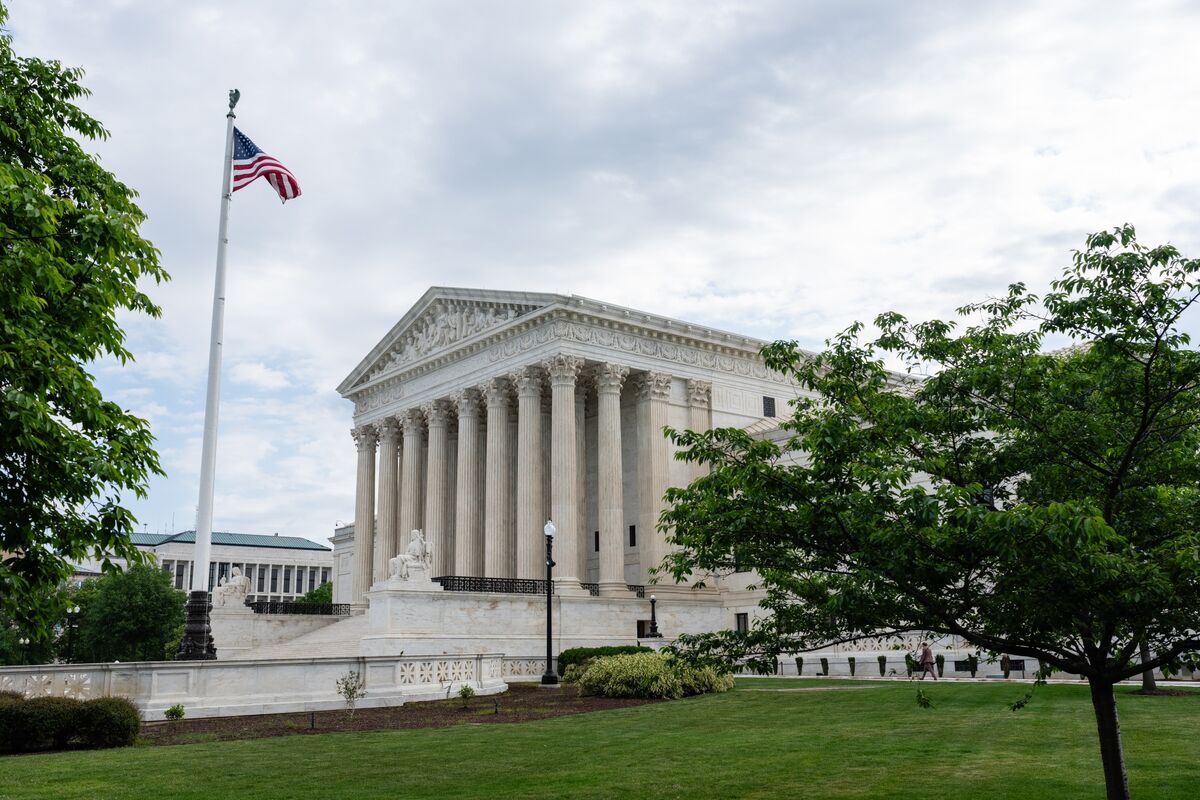
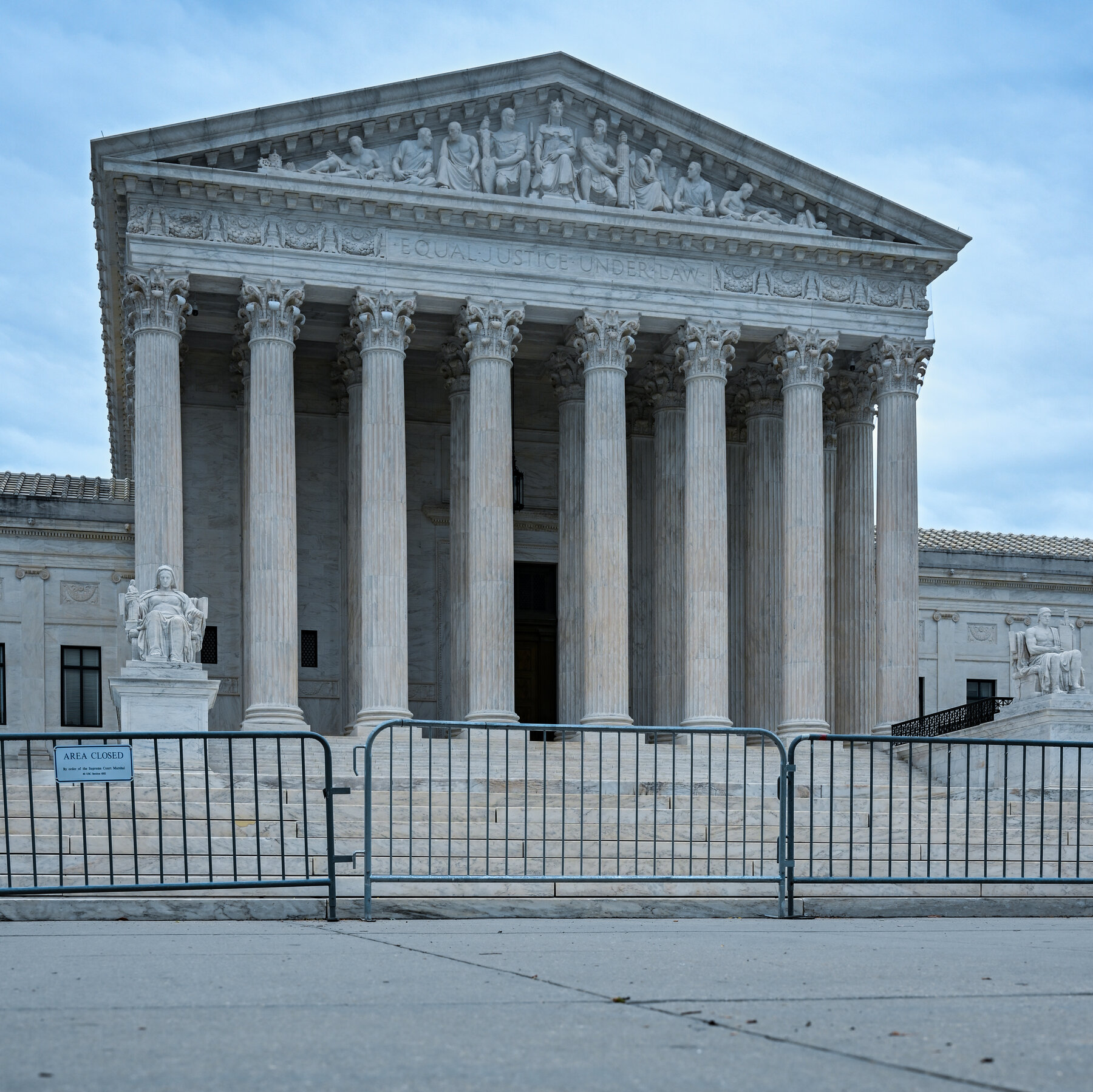
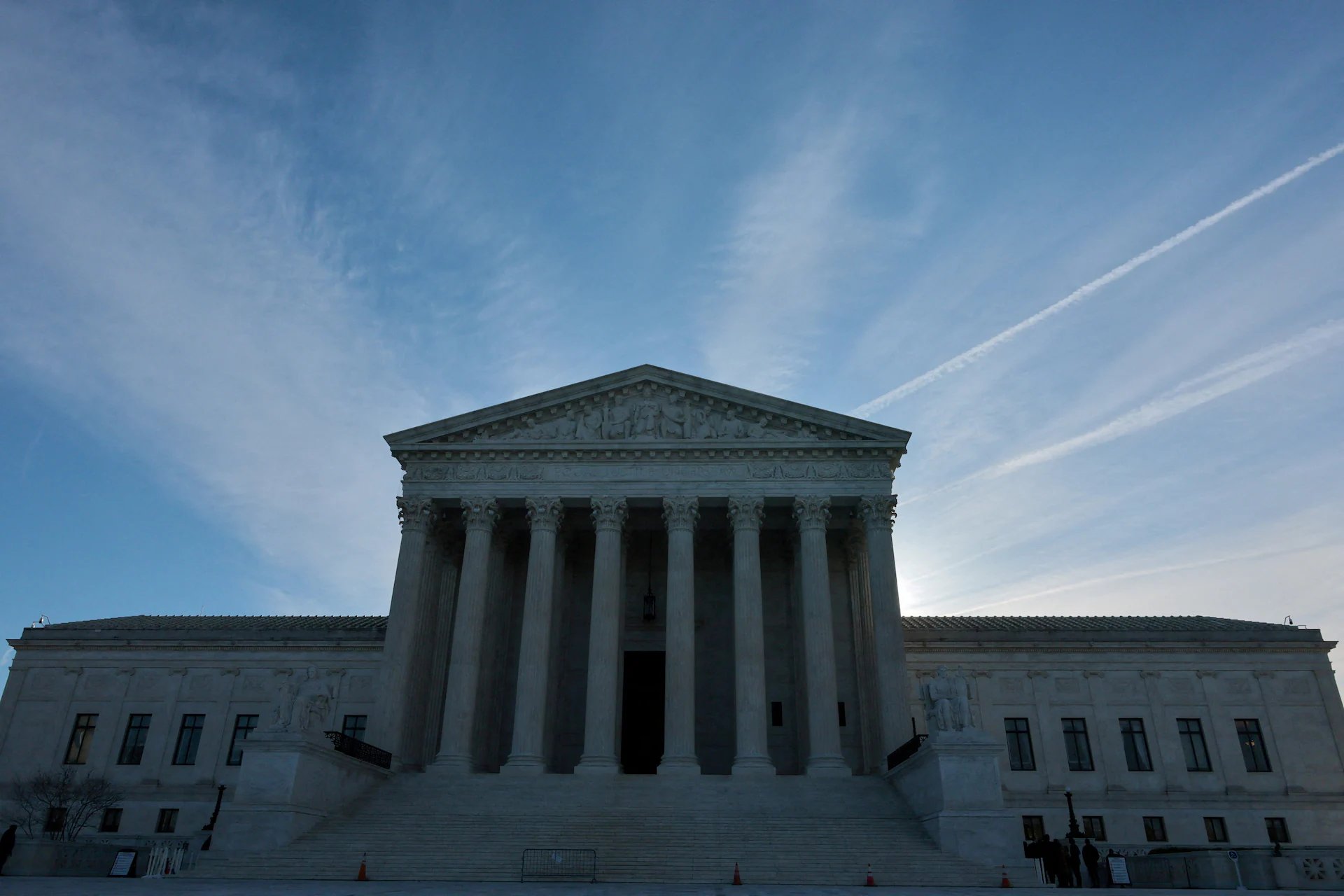
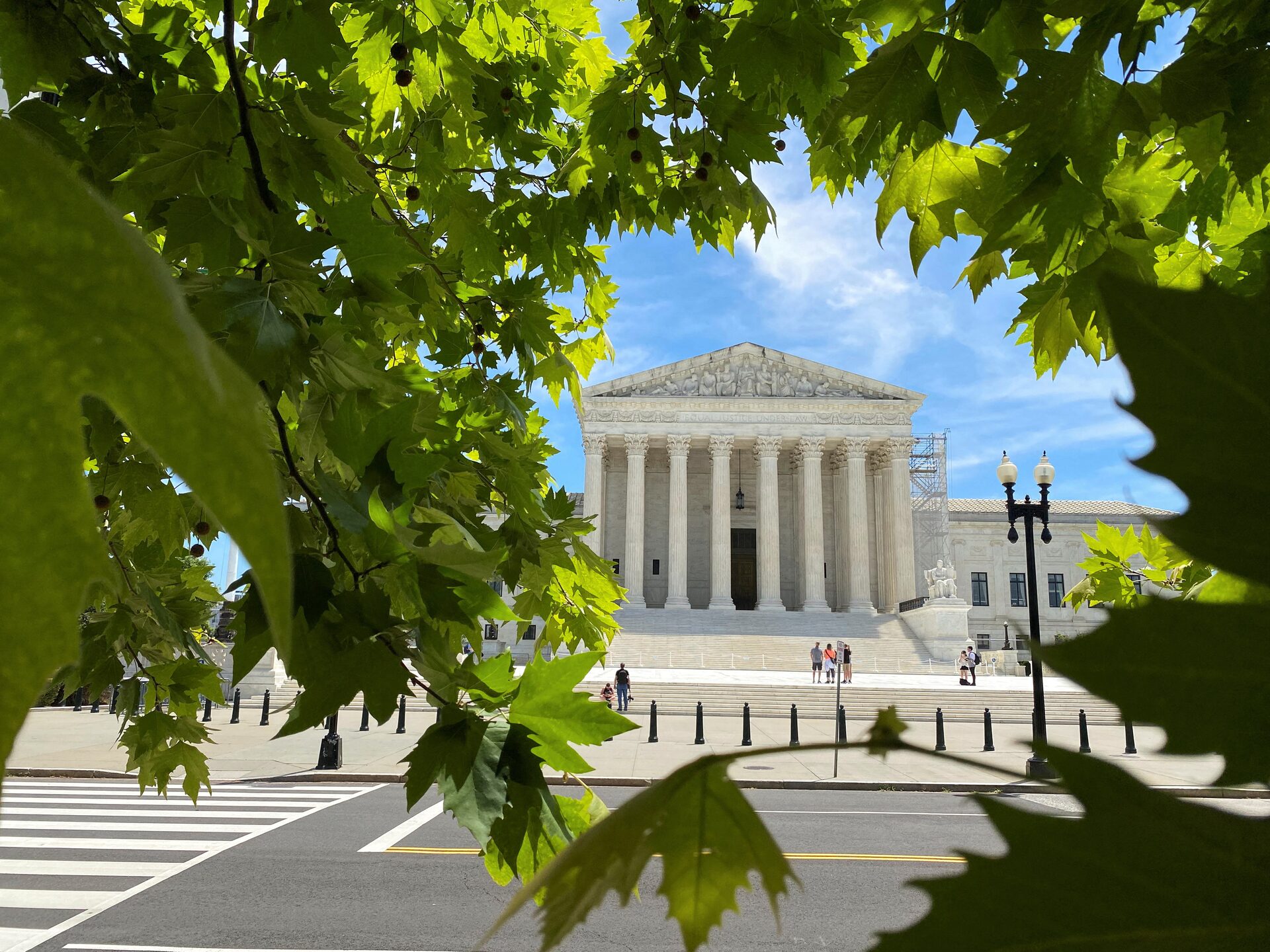
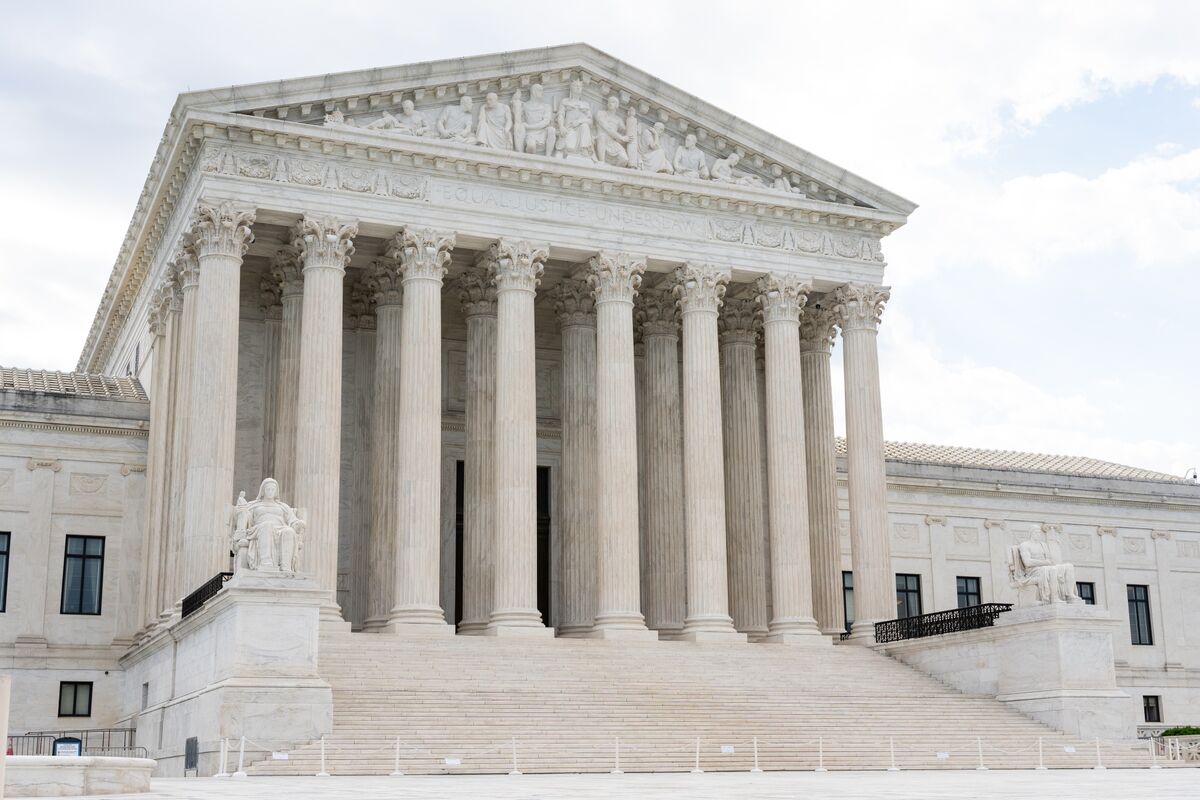
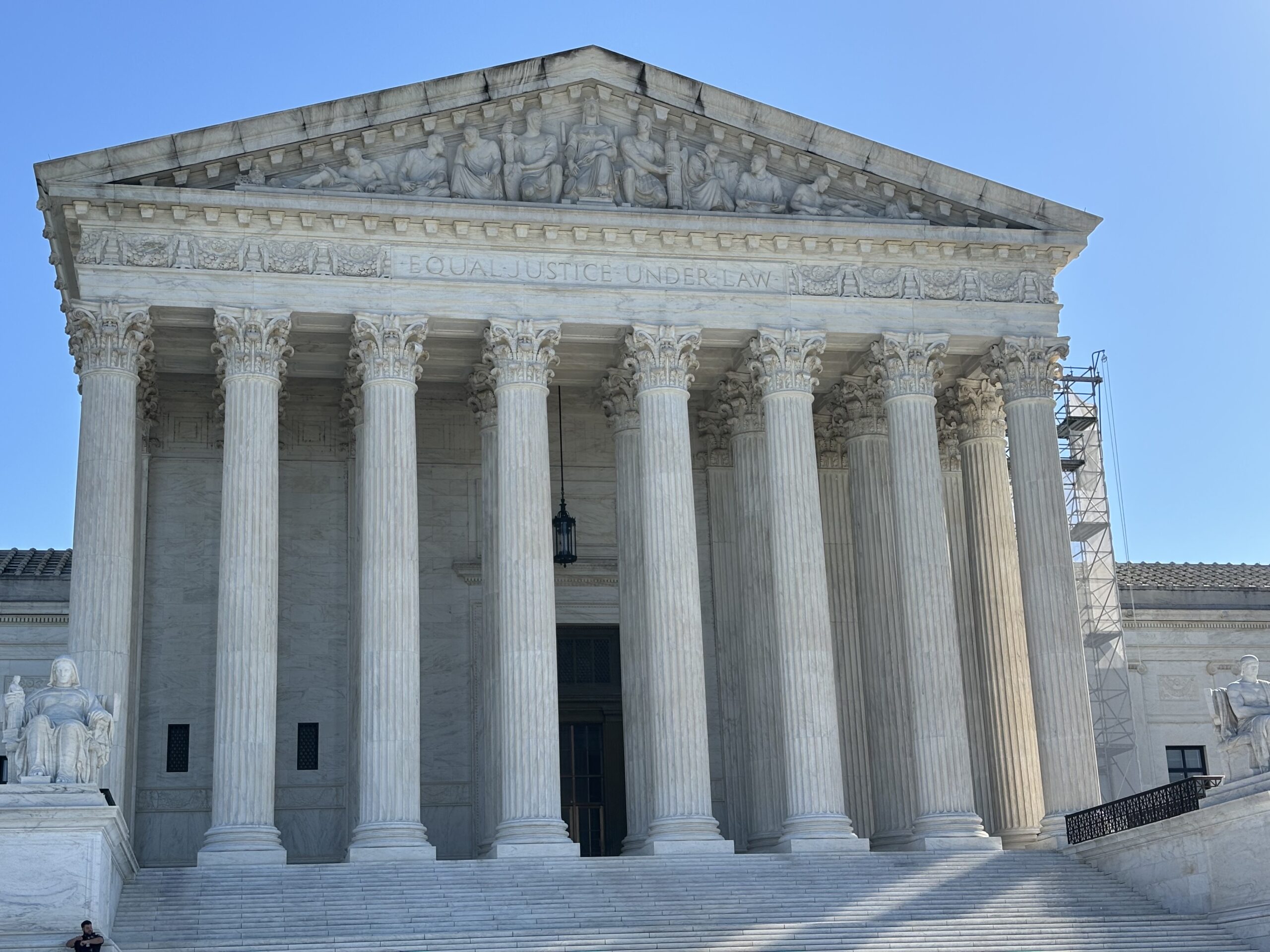
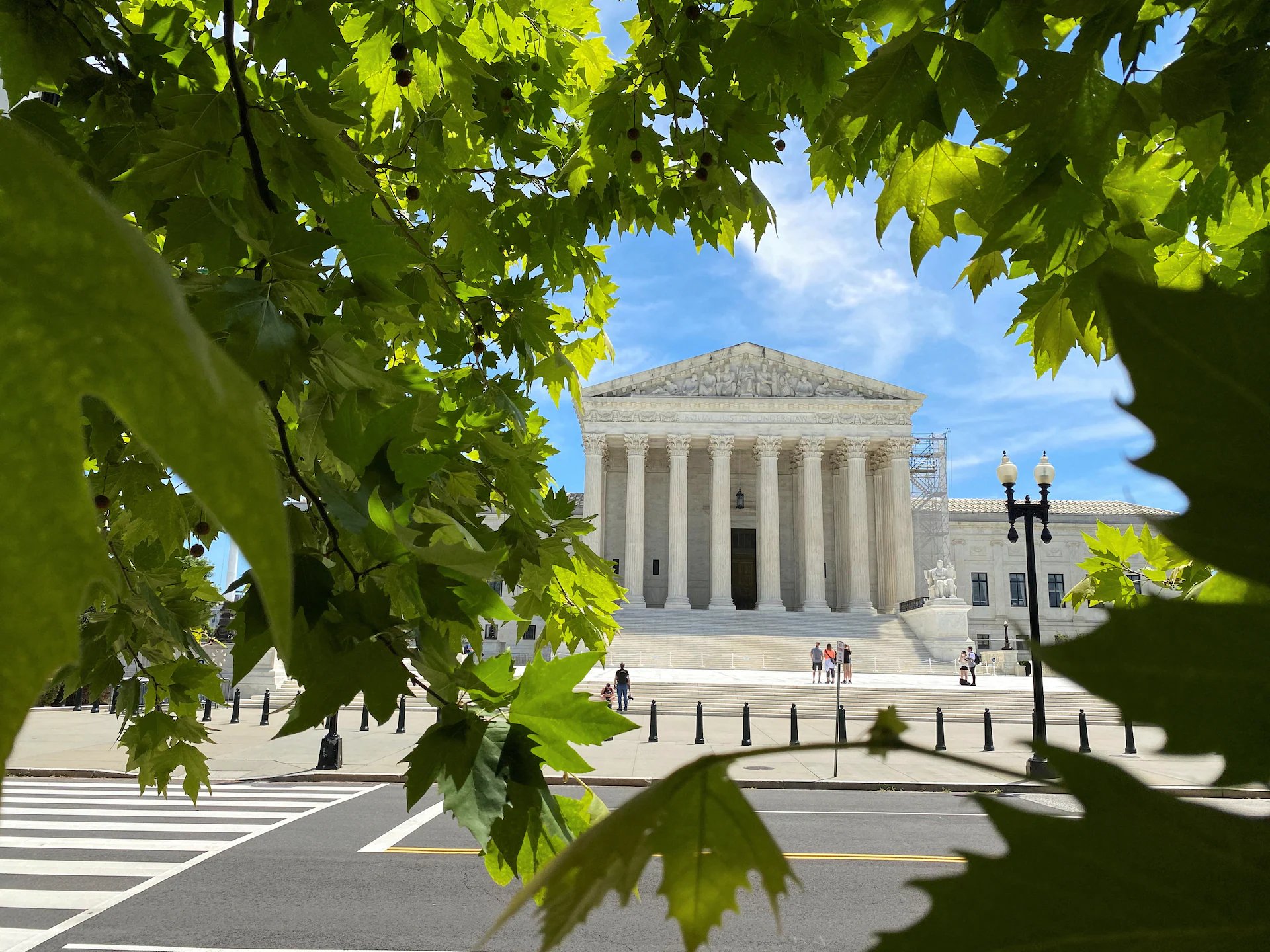
The Supreme Court appeared open to backing the Federal Communications Commission's setup for imposing massive fines at oral arguments on Tuesday. The justices reviewed penalties exceeding $100 million related to the companies' handling of customers' location data.
The Federal Communications Commission imposed hefty penalties on Verizon and AT&T for selling customers' location data without proper safeguards. The penalties highlight ongoing efforts to enforce regulations that safeguard personal data in the telecommunications sector.
Verizon and AT&T appealed the fines, arguing that the FCC's enforcement method is unconstitutional because it limits their ability to present a defense in court. The companies contended that the current system forces them to pay first and challenge later. This challenge reflects broader concerns from telecommunications firms about regulatory oversight and its impact on operations.
Chief Justice John Roberts expressed skepticism toward the companies' arguments, suggesting the issue might amount to a public relations matter rather than a legal one. Justice Brett Kavanaugh noted that the government had conceded a point about companies not needing to pay fines immediately after receiving notices. These remarks from the justices indicate a potential inclination to maintain the FCC's authority in such cases.
A ruling in favor of the FCC could expand the agency's power to impose similar penalties on other companies, affecting how telecommunications firms handle customer data. Advocates pointed out that this case might influence enforcement mechanisms across federal agencies, potentially leading to more consistent privacy standards.
The Supreme Court is handling this case amid other internal matters, including discussions on its emergency decision-making processes.
The Supreme Court appeared open to upholding the Federal Communications Commission's fines against Verizon and AT&T during oral arguments on Tuesday. The justices reviewed penalties exceeding $100 million related to the companies' handling of customers' location data. This development could affect everyday phone users by strengthening privacy protections and potentially raising service costs as companies adjust to stricter rules.
The Federal Communications Commission imposed hefty penalties on Verizon and AT&T for selling customers' location data without proper safeguards. These fines totaled over $100 million, stemming from findings that the companies failed to protect user information adequately. The penalties highlight ongoing efforts to enforce regulations that safeguard personal data in the telecommunications sector.
Verizon and AT&T appealed the fines, arguing that the FCC's enforcement method is unconstitutional because it limits their ability to present a defense in court. The companies contended that the current system forces them to pay first and challenge later, which they described as unfair. This challenge reflects broader concerns from telecommunications firms about regulatory oversight and its impact on operations.
Chief Justice John Roberts expressed skepticism toward the companies' arguments, suggesting the issue might amount to a public relations matter rather than a legal one. Justice Brett Kavanaugh noted that the government had conceded a point about companies not needing to pay fines immediately after receiving notices. These remarks from the justices indicate a potential inclination to maintain the FCC's authority in such cases.
A ruling in favor of the FCC could expand the agency's power to impose similar penalties on other companies, affecting how telecommunications firms handle customer data. Advocates pointed out that this case might influence enforcement mechanisms across federal agencies, potentially leading to more consistent privacy standards. Such changes could mean stronger protections for individuals' location information in daily interactions with service providers.
The Supreme Court is handling this case amid other internal matters, including discussions on its emergency decision-making processes. Reports from court observers mentioned private memos about such procedures, though they did not directly relate to the FCC fines. This context underscores the Court's ongoing role in shaping regulatory frameworks that touch public life.
Highlighted text was flagged by the council. Tap to see feedback.