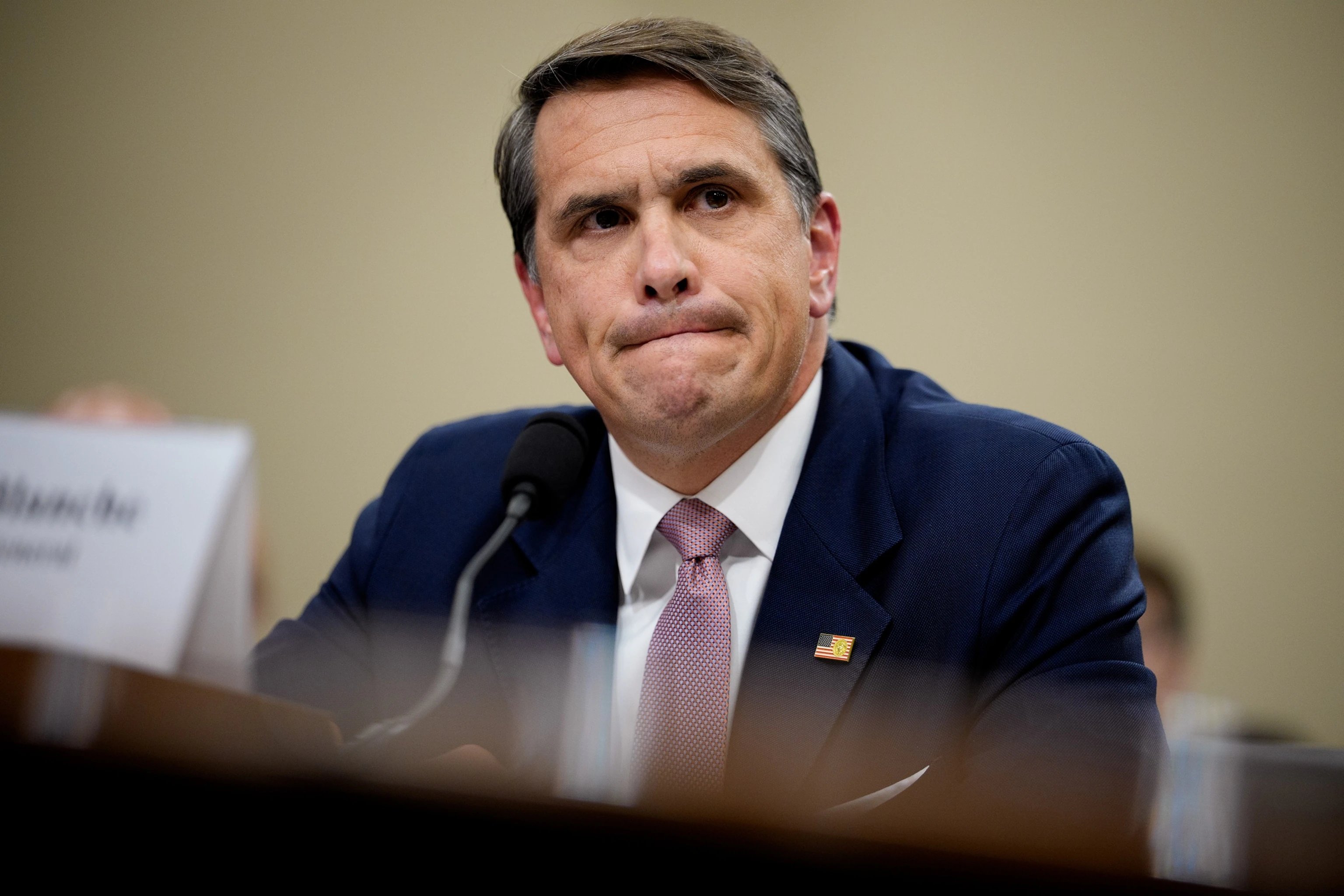
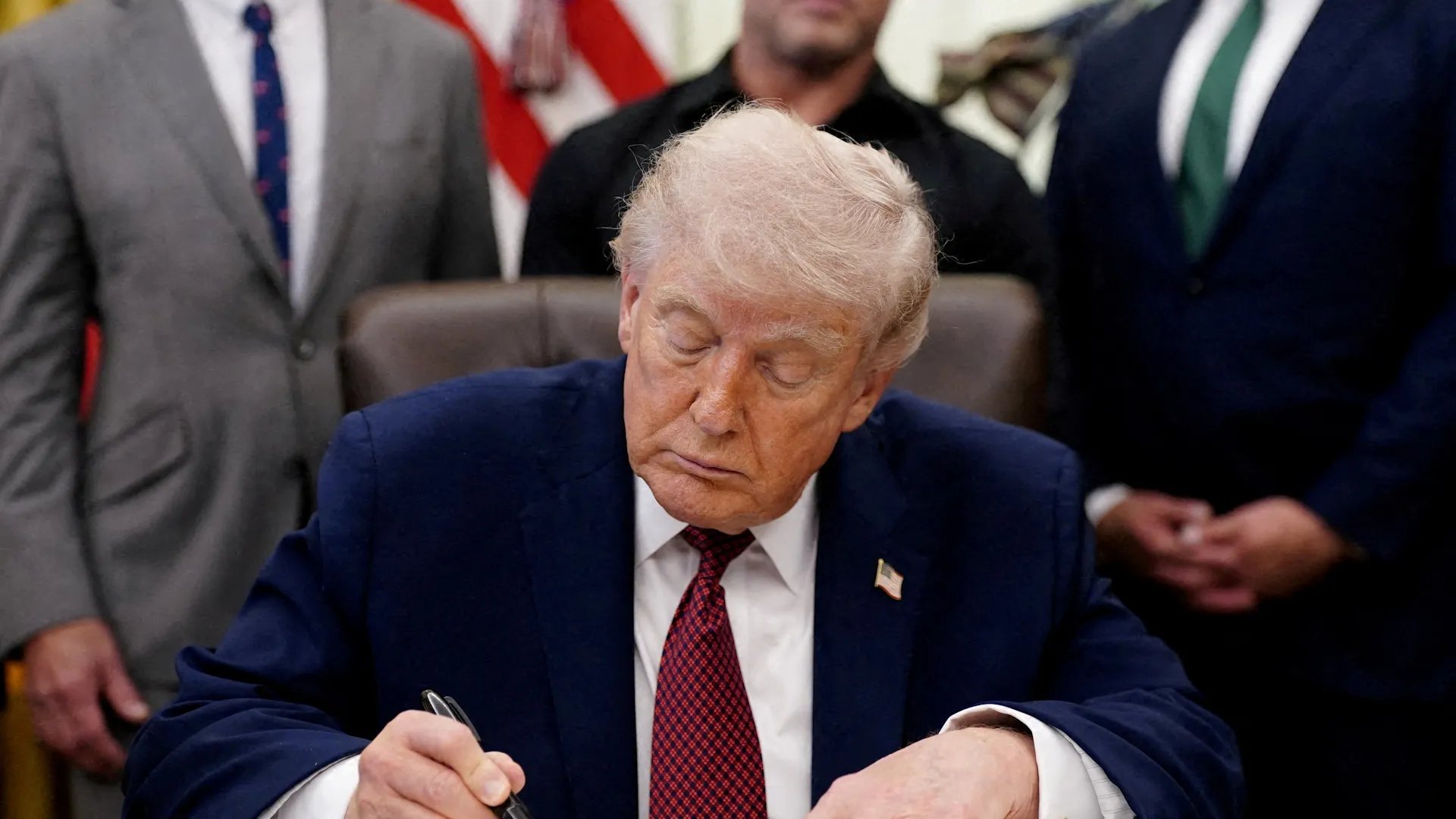
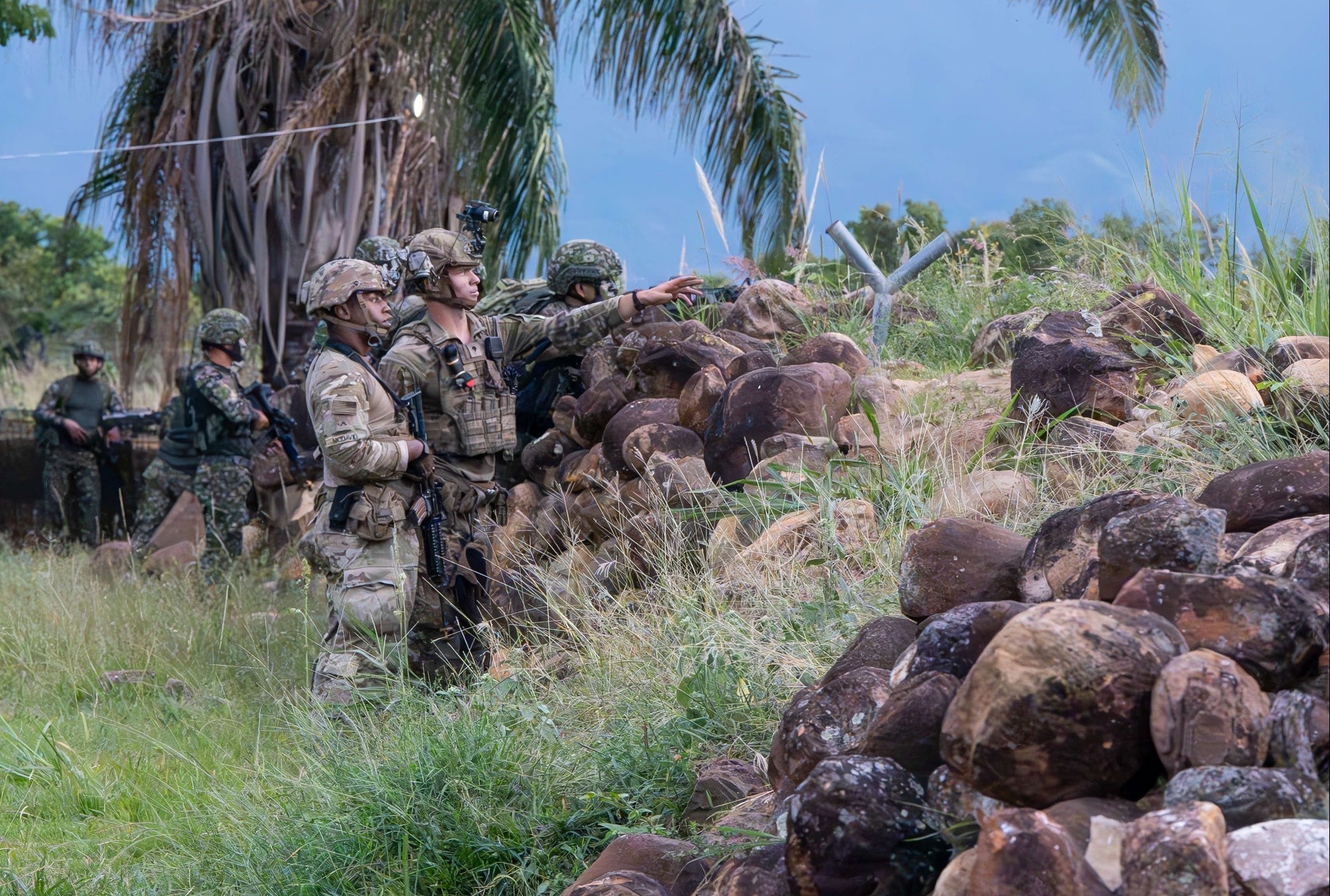
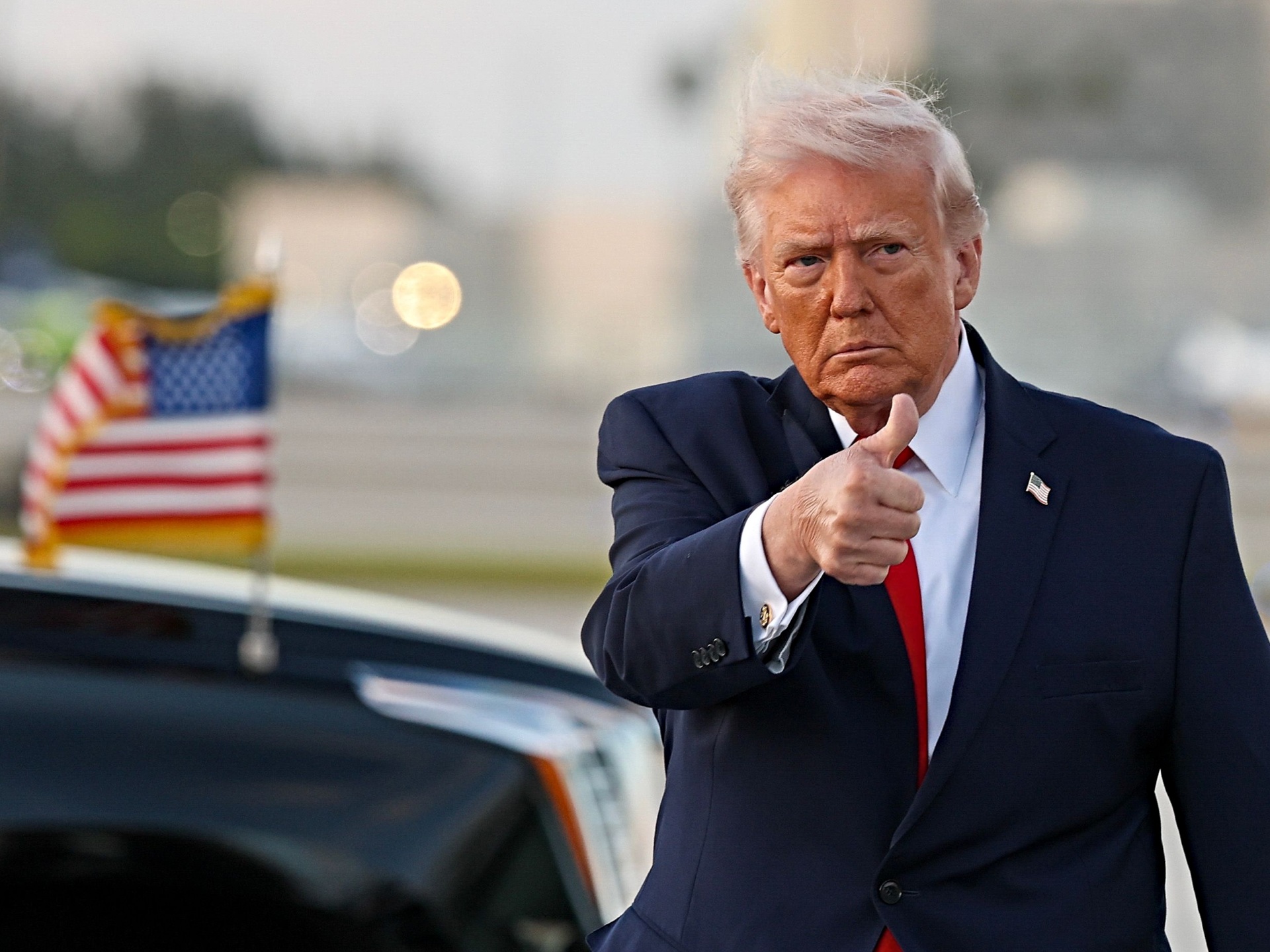
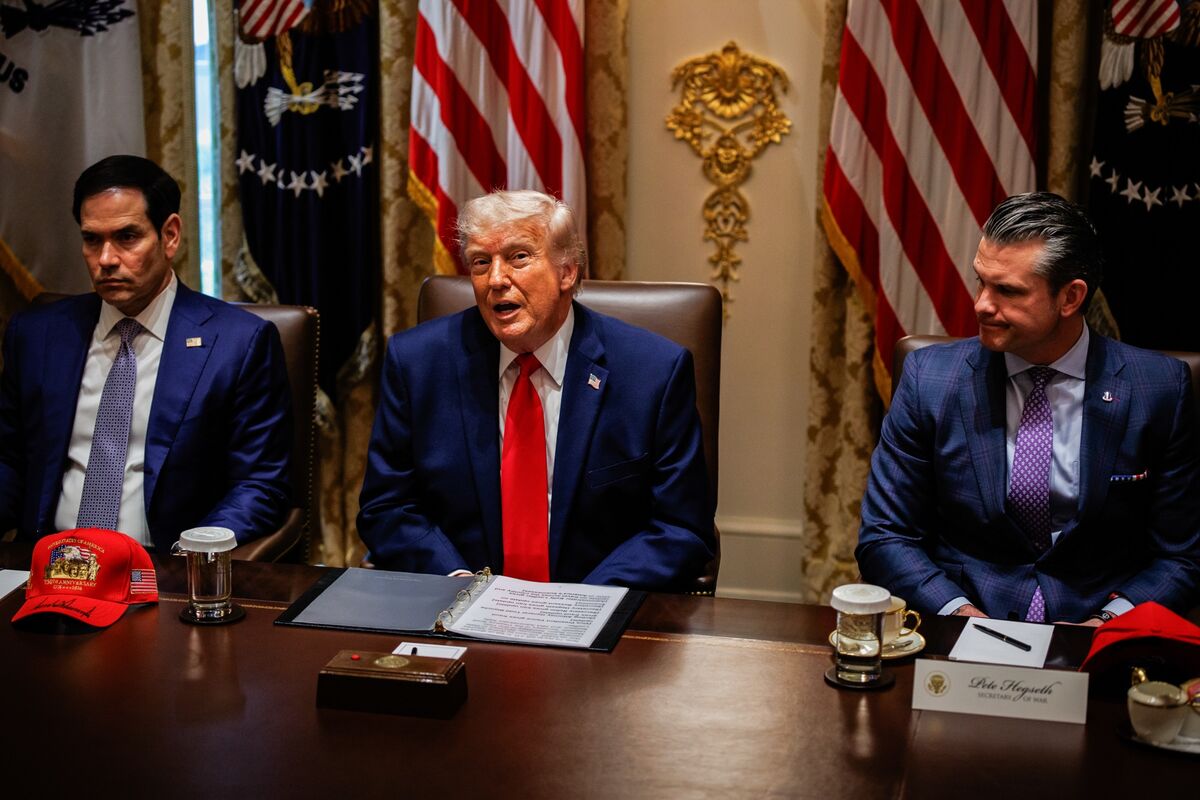
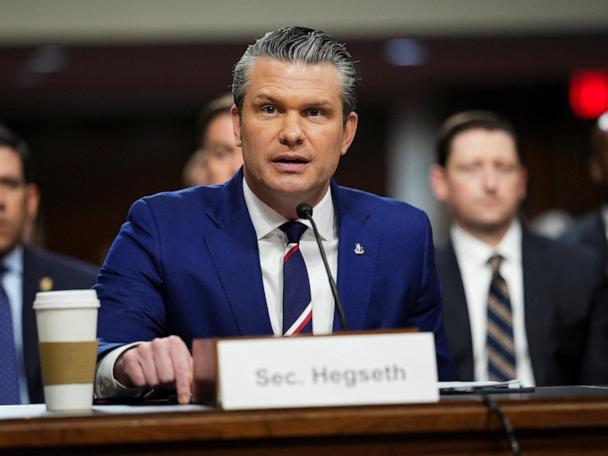
Defense Secretary Pete Hegseth announced on Tuesday that the annual flu vaccine will no longer be mandatory for U.S. military personnel, both active and reserve. This policy shift allows service members the freedom to choose whether to receive the vaccine. In a video posted on social media, Hegseth described the previous mandate as "overly broad and not rational." He emphasized, "If you, an American warrior entrusted to defend this nation, believe that the flu vaccine is in your best interest, then you are free to take it; you should. But we will not force you."
The flu vaccine has a long history in the military, first mandated in 1945, which resulted in approximately 7 million vaccinations. However, this requirement was withdrawn in 1949 and reinstated in the early 1950s, remaining in place until now. Hegseth's announcement follows a broader trend within the Pentagon to reduce mandatory vaccinations, as seen with the COVID-19 vaccine mandate that previously led to the dismissal of around 8,700 troops.
The new policy aligns with earlier decisions to make the COVID-19 vaccine optional. Hegseth stated that the decision to end mandatory flu shots aims to restore "freedom and strength" within the military. He criticized the previous mandates, asserting that they forced service members to choose between their personal beliefs and their duty to the country. The Defense Department's memorandum states that the flu vaccine is now voluntary for all active and reserve service members, as well as civilians working for the Department of Defense.
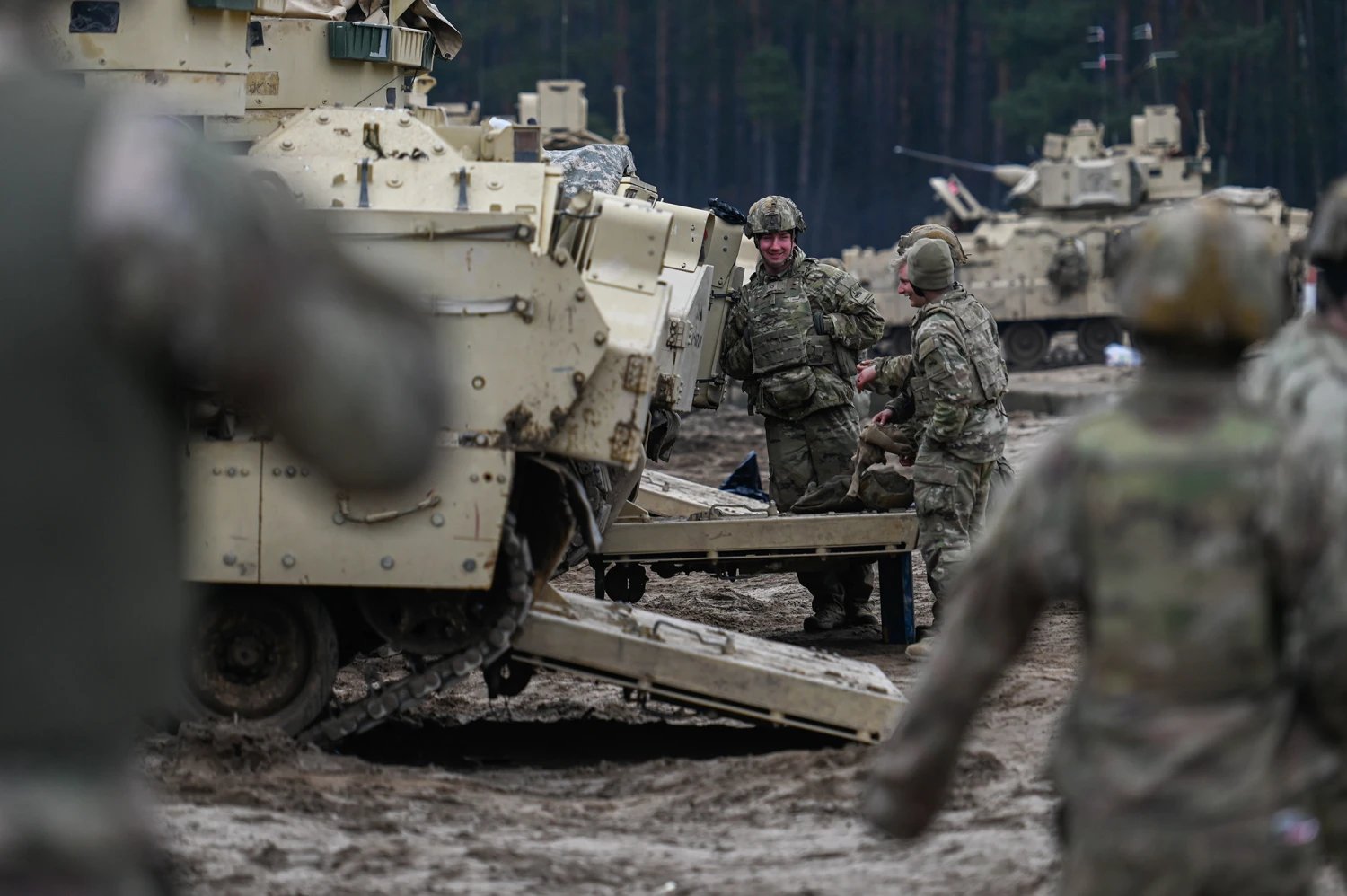
While the flu vaccine is no longer mandatory, health experts within the military maintain that vaccination is crucial for maintaining troop readiness. The Navy and Marine Corps Force Health Protection Command has previously noted that seasonal flu vaccination is the most effective means to reduce severe influenza risks and protect mission execution. The organization warns that flu outbreaks can spread quickly and significantly impact military readiness.
This policy change comes amid a broader reevaluation of vaccination mandates within the military. The current shift reflects a significant evolution in how the military approaches health mandates, with potential implications for future vaccination policies.
Defense Secretary Pete Hegseth announced on April 21, 2026, that the annual flu vaccine will no longer be mandatory for U.S. military personnel, both active and reserve. This policy shift allows service members the freedom to choose whether to receive the vaccine. In a video posted on social media, Hegseth described the previous mandate as “overly broad and not rational.” He emphasized, “If you, an American warrior entrusted to defend this nation, believe that the flu vaccine is in your best interest, then you are free to take it; you should. But we will not force you.”
The flu vaccine has a long history in the military, first mandated in 1945, which resulted in approximately 7 million vaccinations. However, this requirement was withdrawn in 1949 and reinstated in the early 1950s, remaining in place until now. Hegseth's announcement follows a broader trend within the Pentagon to reduce mandatory vaccinations, as seen with the COVID-19 vaccine mandate that previously led to the dismissal of around 8,700 troops.
The new policy aligns with earlier decisions to make the COVID-19 vaccine optional. Hegseth stated that the decision to end mandatory flu shots aims to restore “freedom and strength” within the military. He criticized the previous mandates, asserting that they forced service members to choose between their personal beliefs and their duty to the country. The Defense Department's memorandum states that the flu vaccine is now voluntary for all active and reserve service members, as well as civilians working for the Department of Defense.
While the flu vaccine is no longer mandatory, health experts within the military maintain that vaccination is crucial for maintaining troop readiness. The Navy and Marine Corps Force Health Protection Command has previously noted that seasonal flu vaccination is the most effective means to reduce severe influenza risks and protect mission execution. The organization warns that flu outbreaks can spread quickly and significantly impact military readiness.
This policy change comes amid a broader reevaluation of vaccination mandates within the military. The Pentagon's Deputy Secretary of Defense, Steve Feinberg, indicated in a memo from May 29, 2025, that the department would conserve resources by requiring vaccinations only when they directly contribute to readiness. The current shift reflects a significant evolution in how the military approaches health mandates, with potential implications for future vaccination policies.
This change in policy marks a pivotal moment for service members, providing them with more control over their healthcare decisions while also raising questions about the impact on military readiness and public health. As the military navigates these changes, service members will need to weigh the benefits of vaccination against their newfound autonomy.
Highlighted text was flagged by the council. Tap to see feedback.