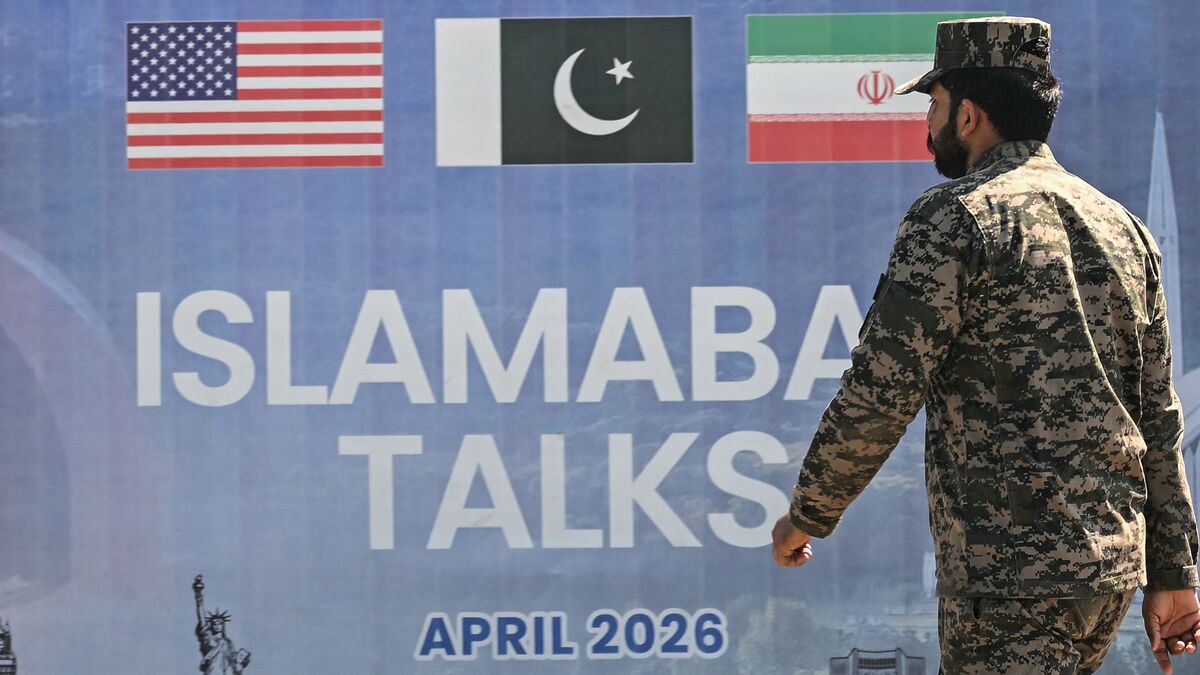
Pakistan Mediates as Deadline Approaches
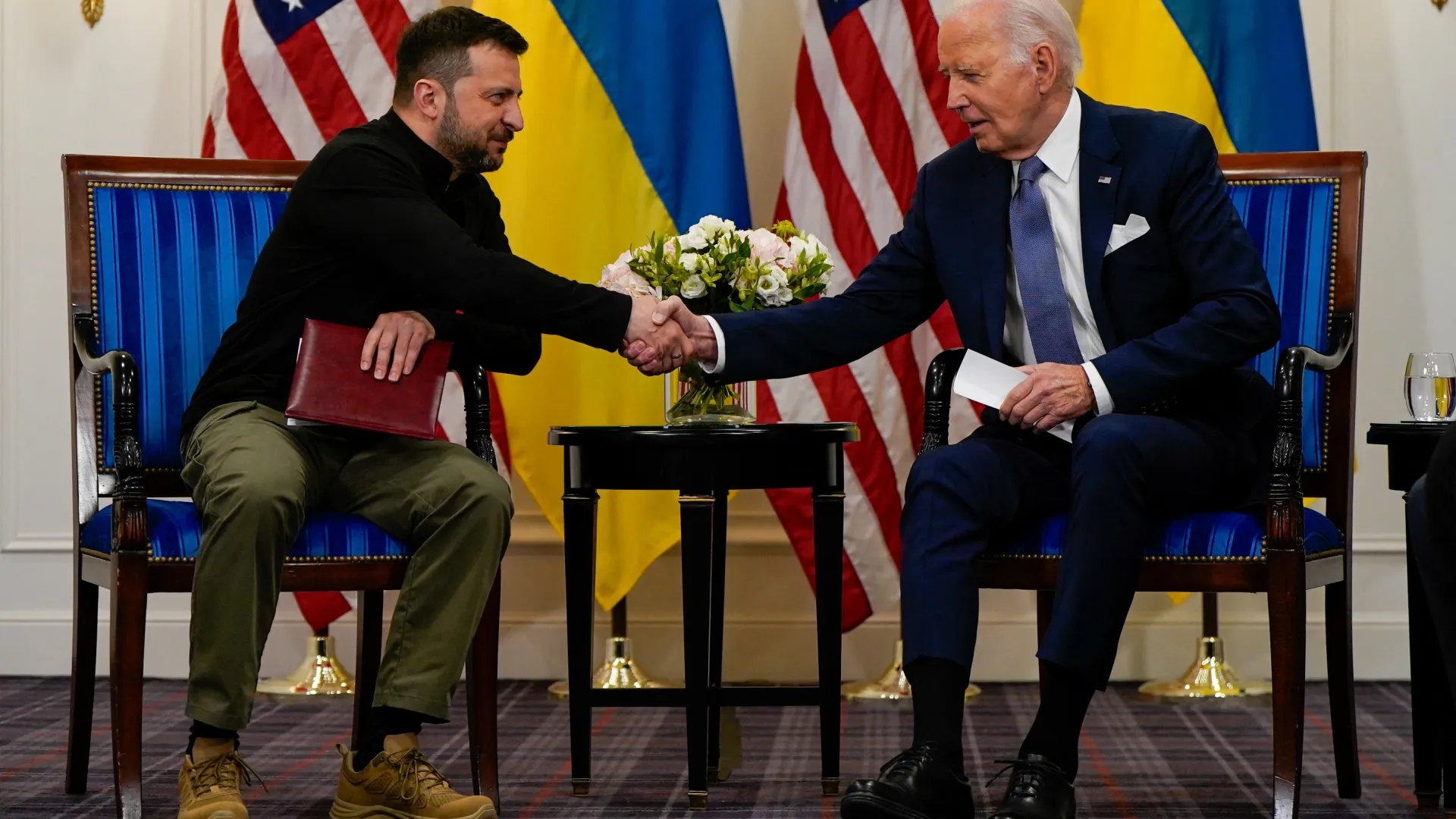
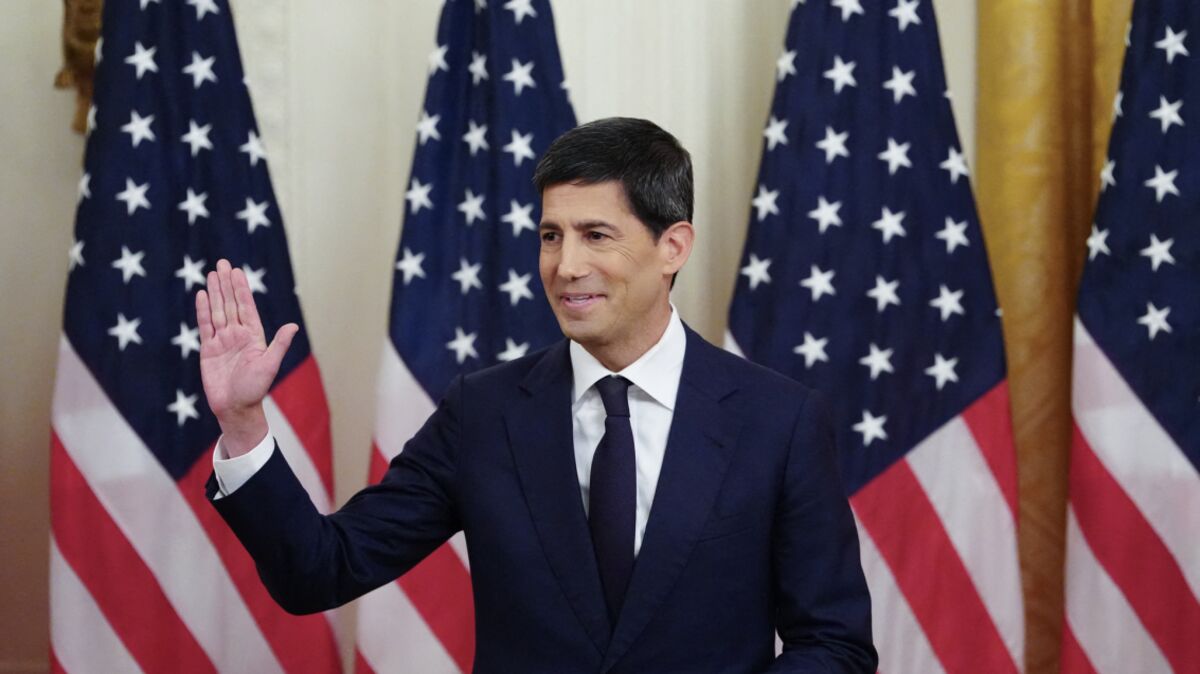
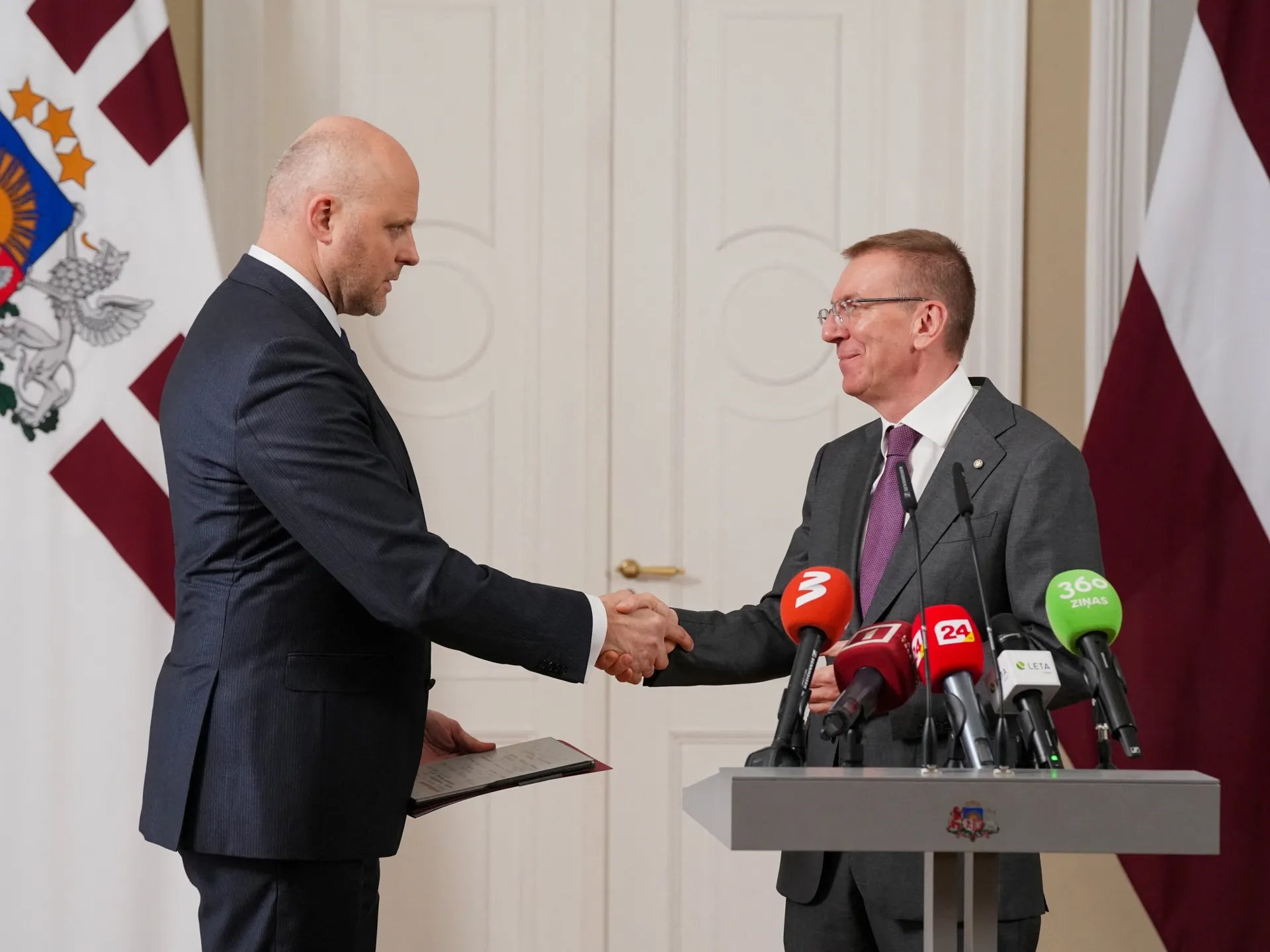
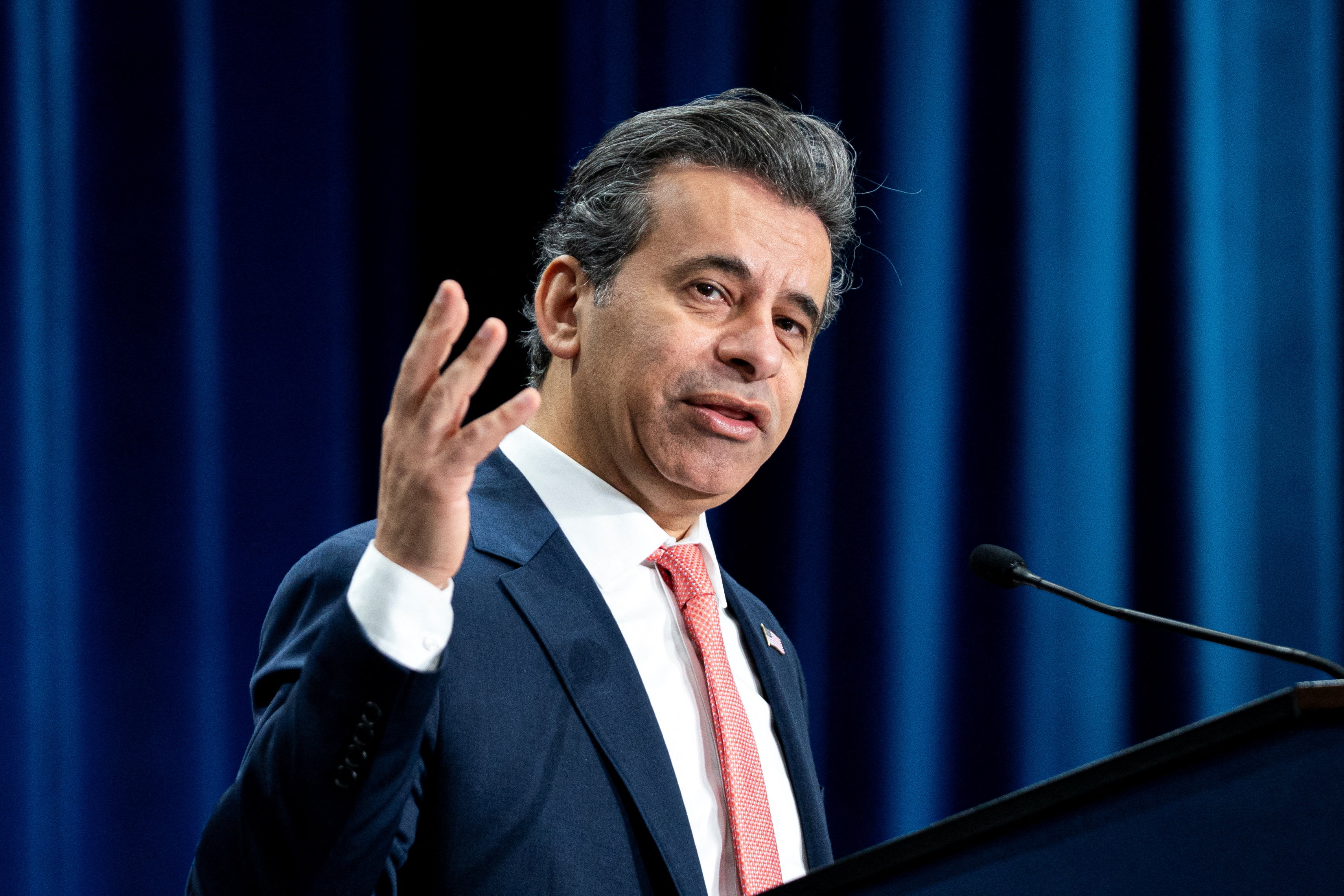
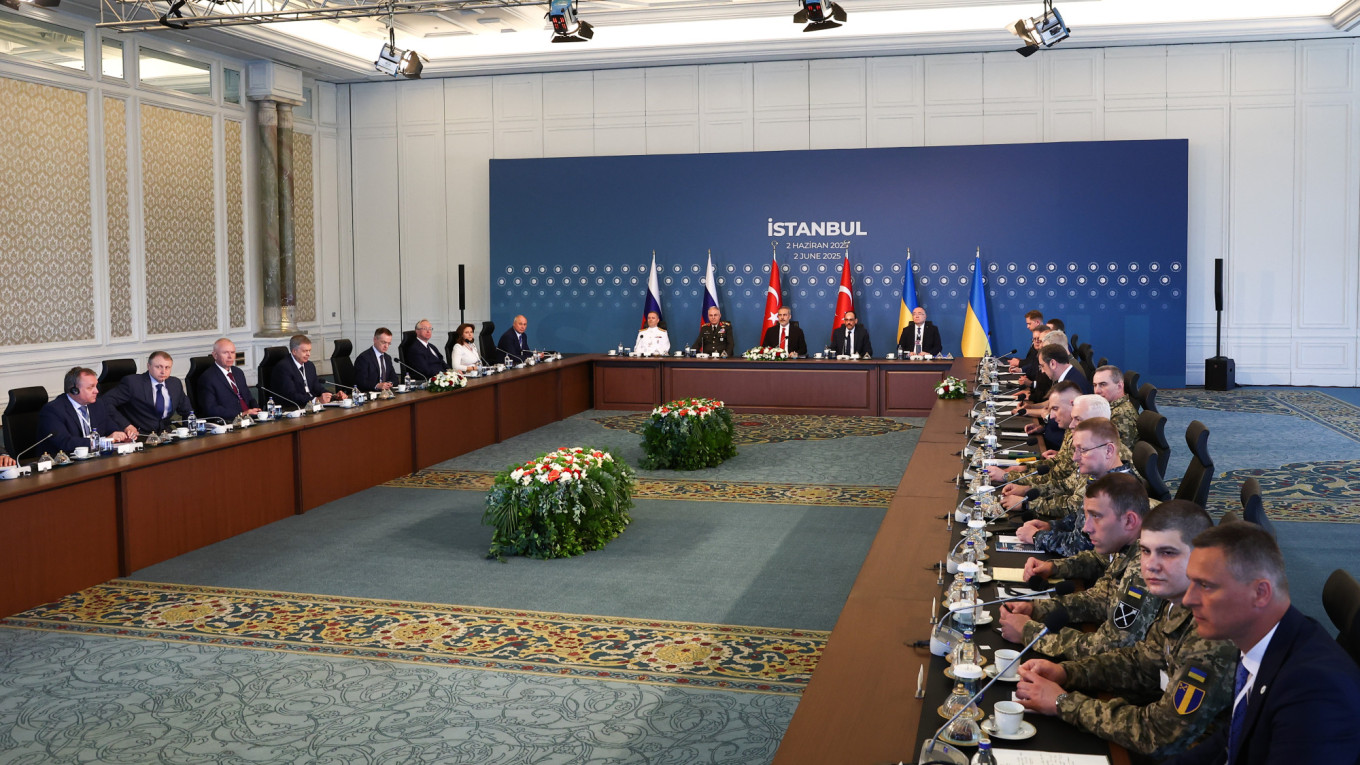
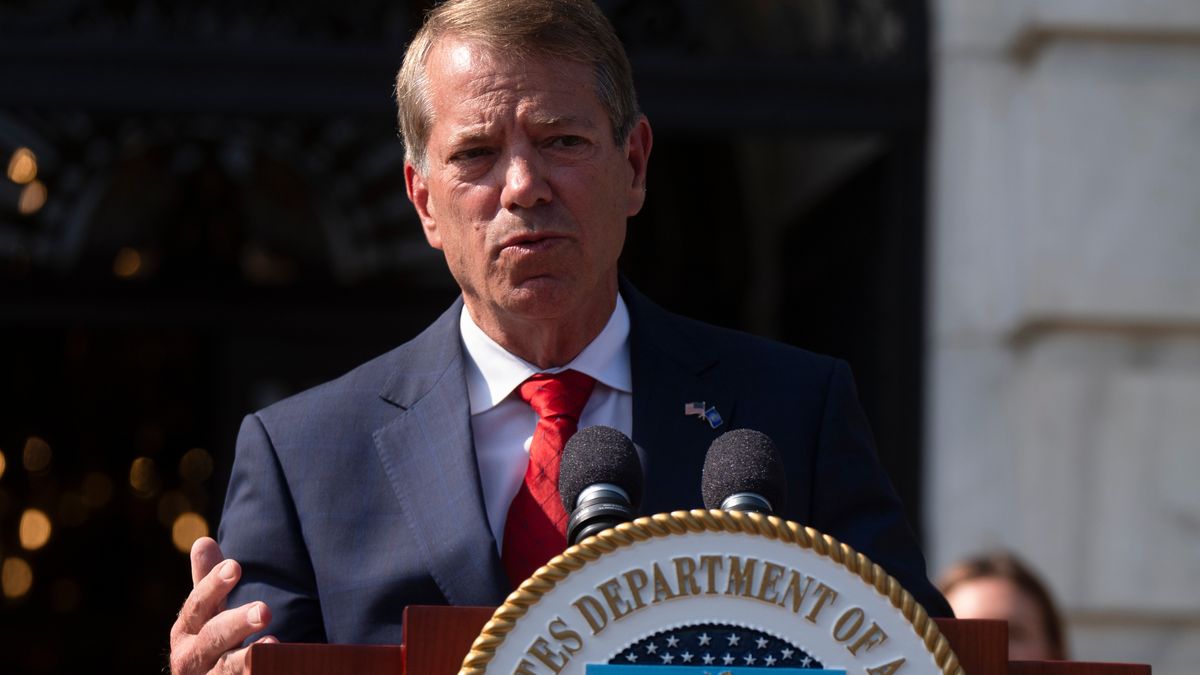
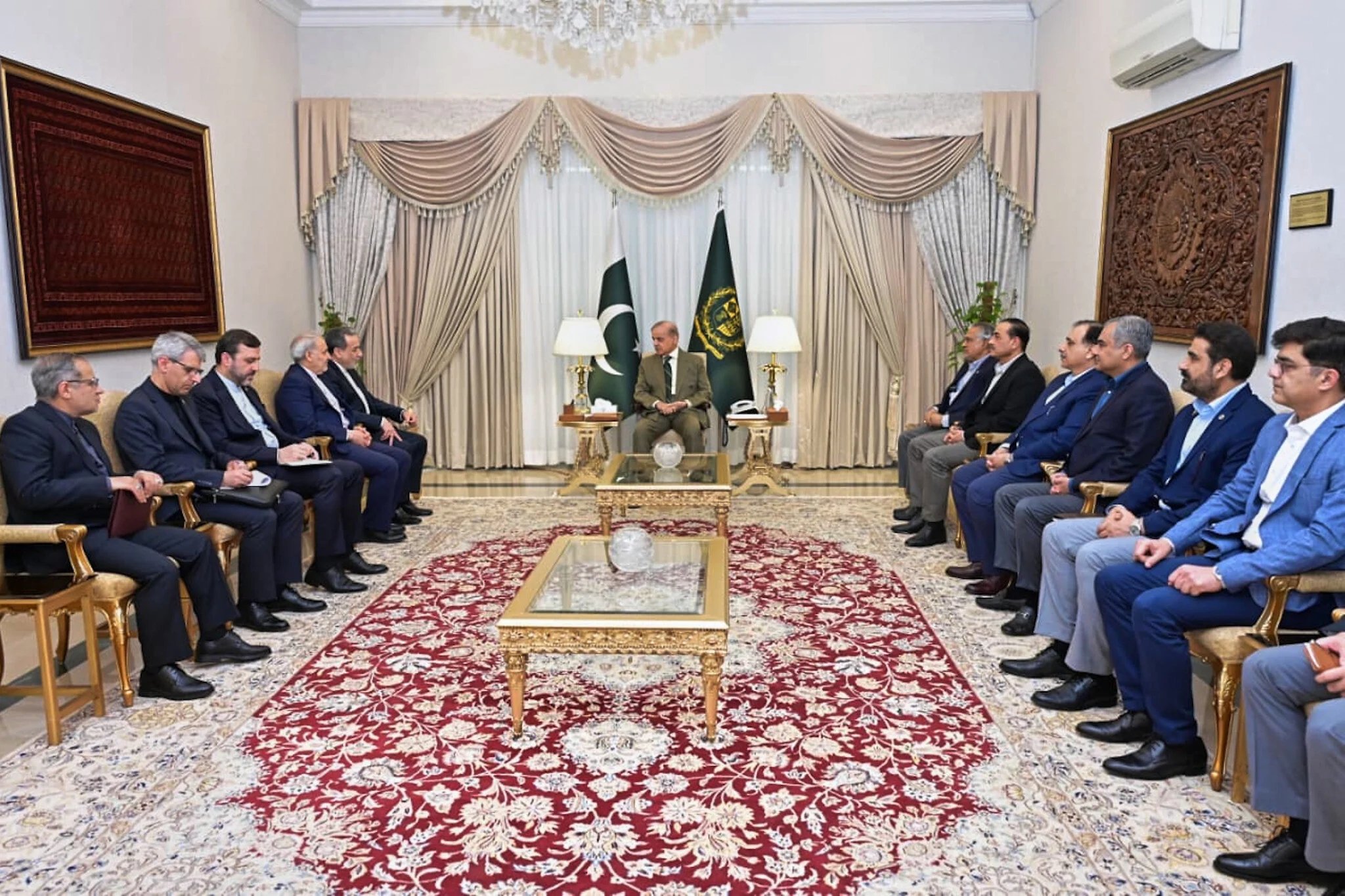
Vice President JD Vance will arrive in Islamabad late Wednesday morning for peace talks aimed at ending the eight-week war between the U.S. and Iran, but Iran has not confirmed it will send negotiators to the table. At least nine U.S. aircraft have landed in Pakistan over the past three days, bringing personnel and equipment for the delegation. Trump's Special Envoy Steve Witkoff and son-in-law Jared Kushner are expected to join Vance, the same three officials who led direct talks with Iran on April 11.
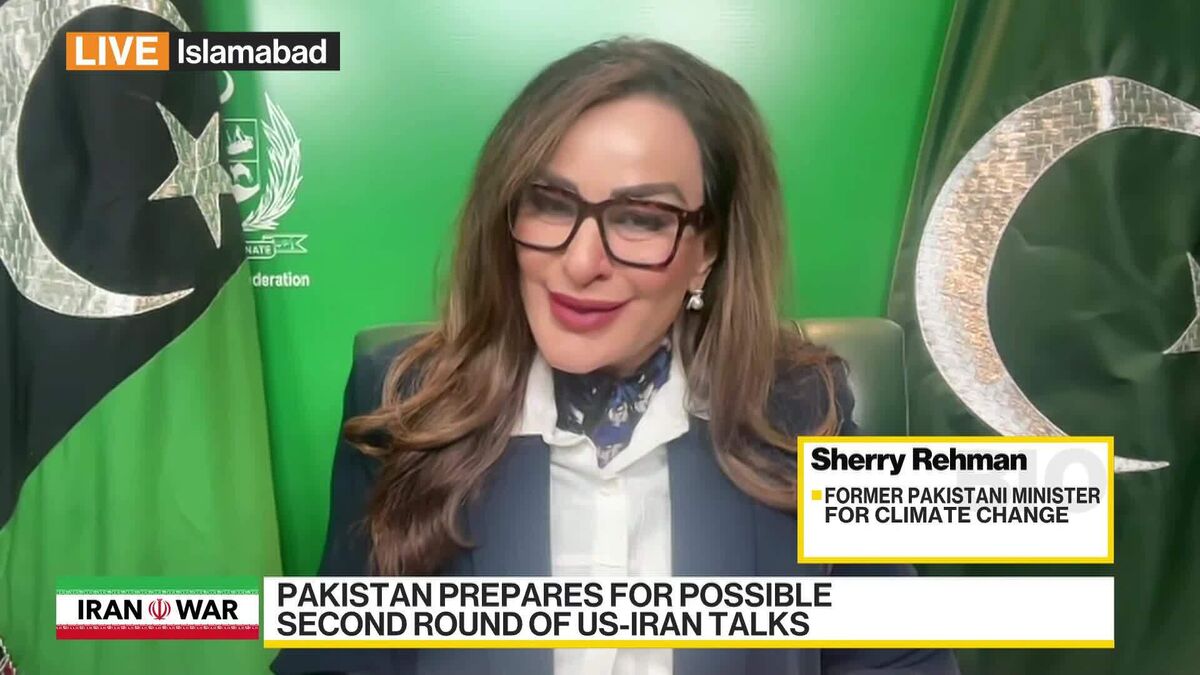
Pakistan is racing to convince Tehran to participate before the two-week ceasefire expires Wednesday evening Washington time, which would be early Thursday morning in the Middle East. State broadcaster Islamic Republic of Iran Broadcasting said Tuesday that no Iranian diplomatic delegation had traveled to Islamabad, though an Iranian source indicated strong indications a delegation would still travel to Pakistan.
Trump Rejects Extension, Warns of Escalation
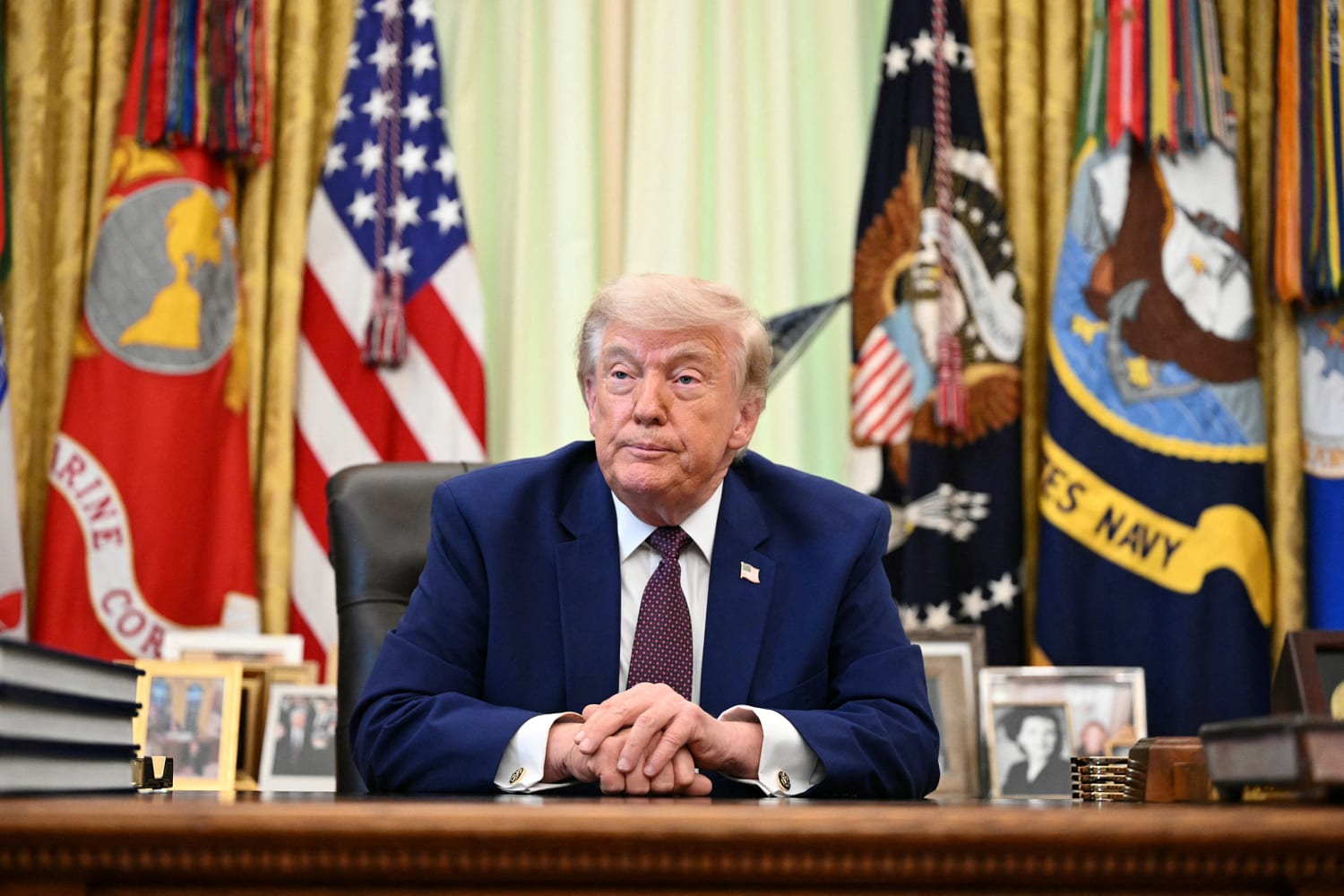
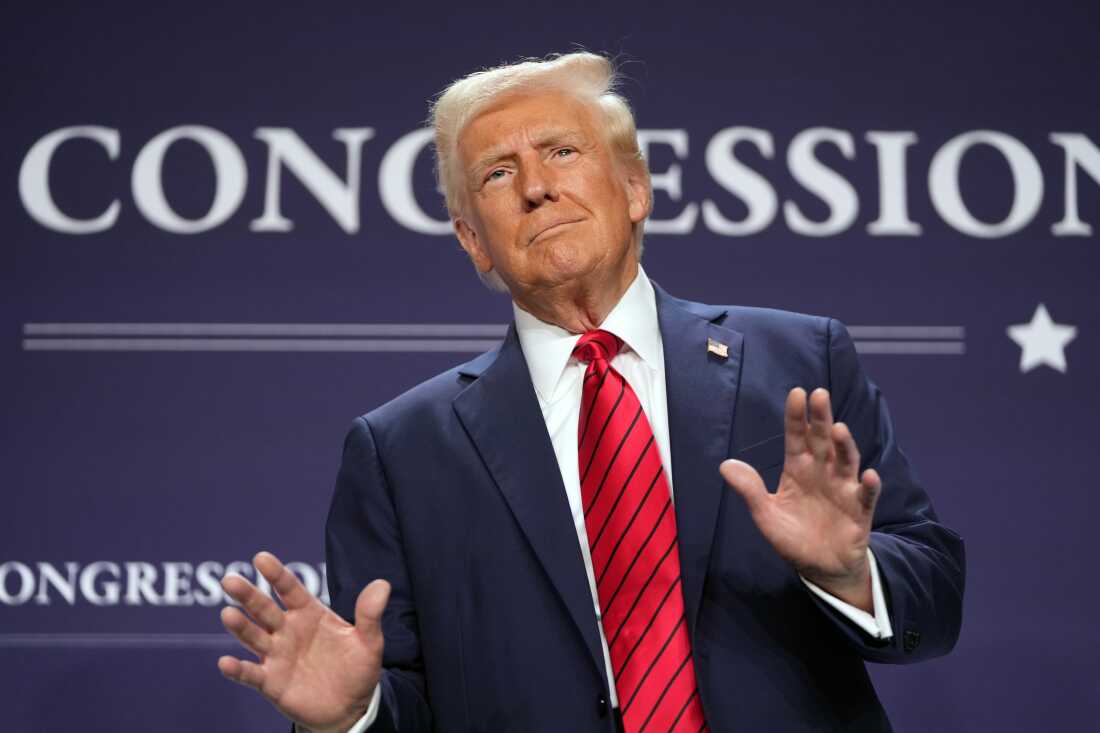
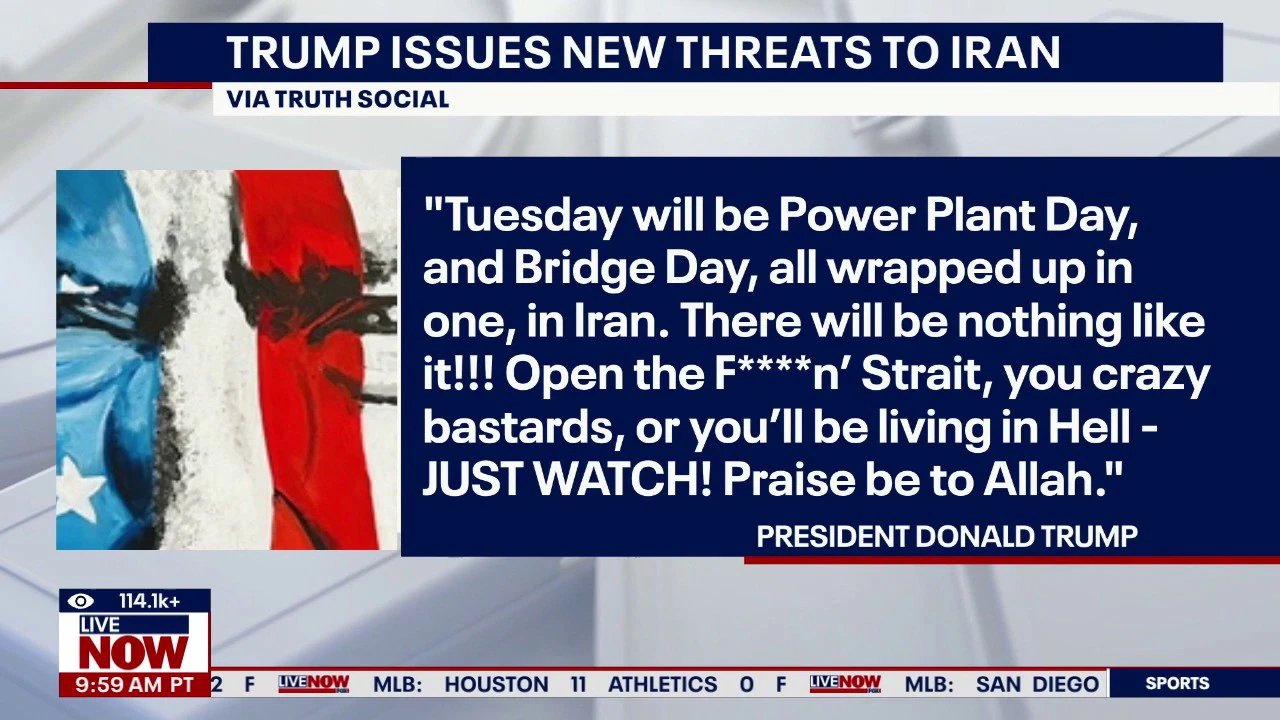
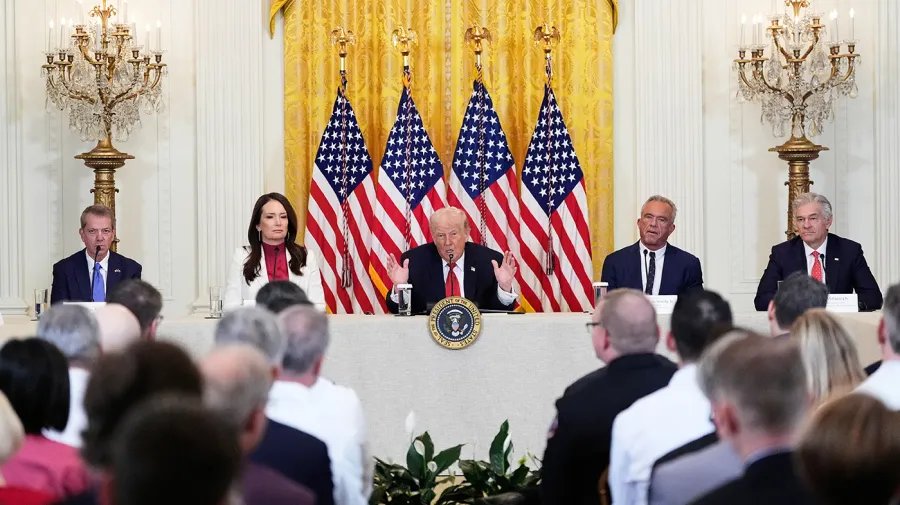
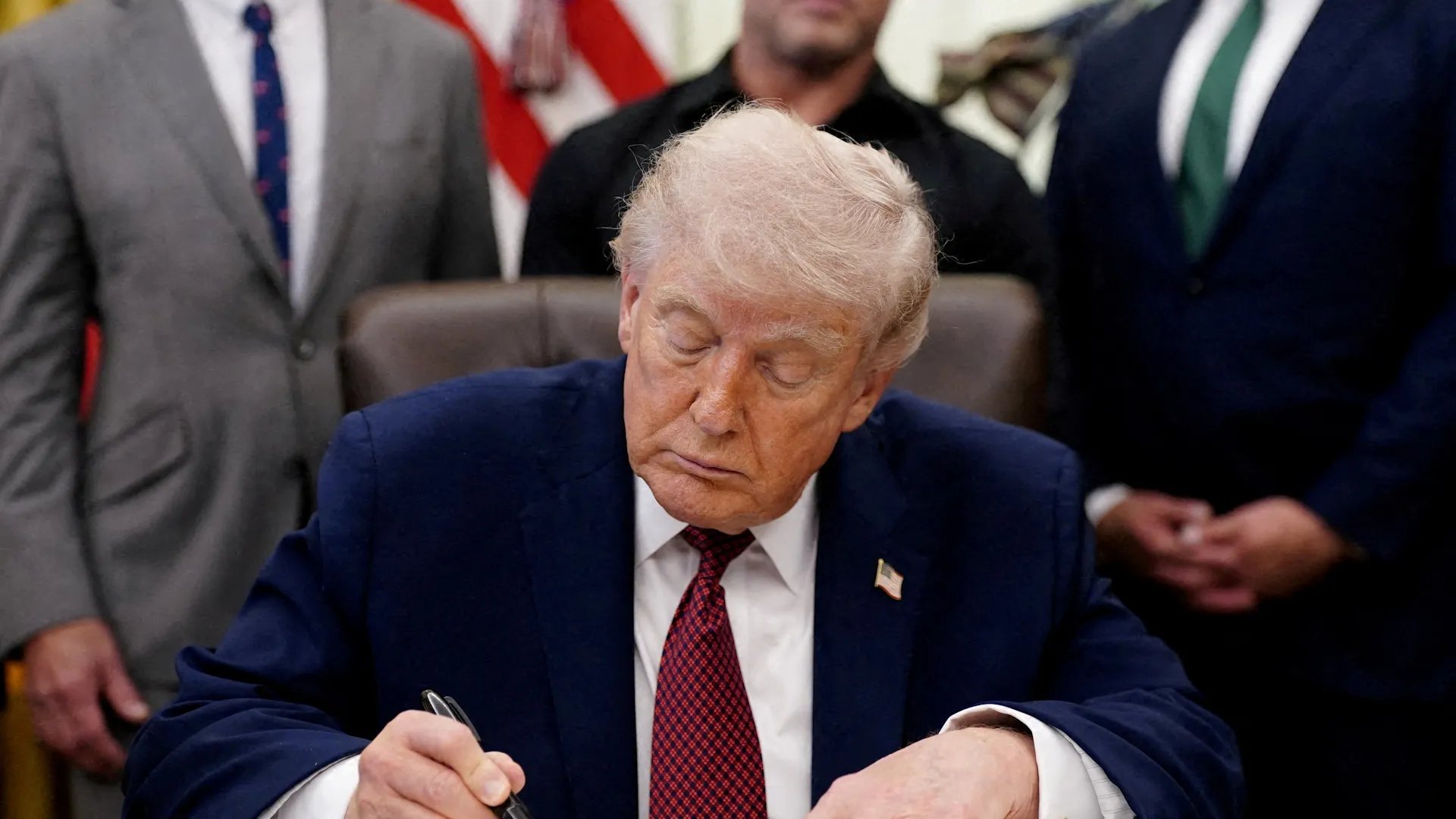
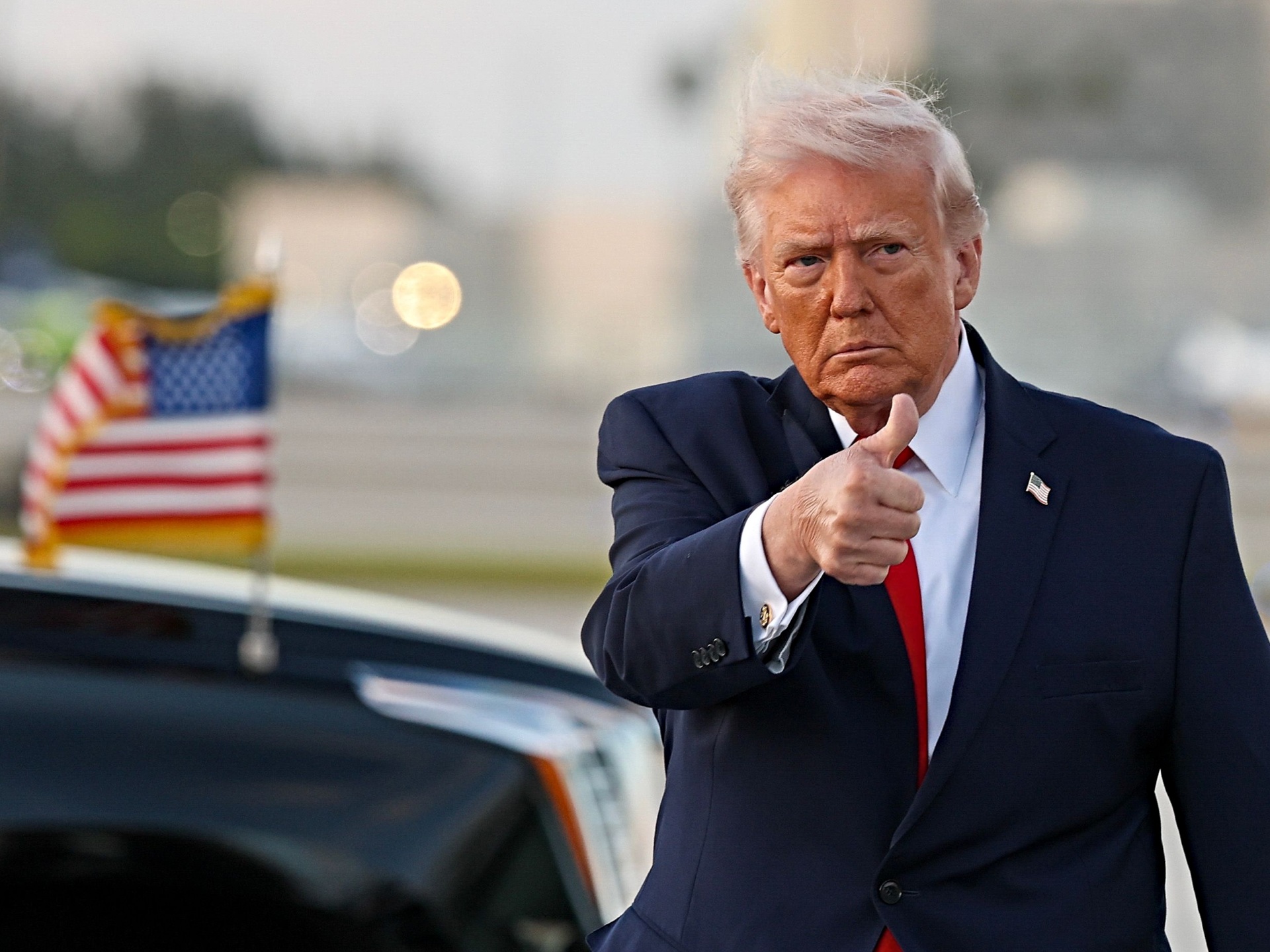
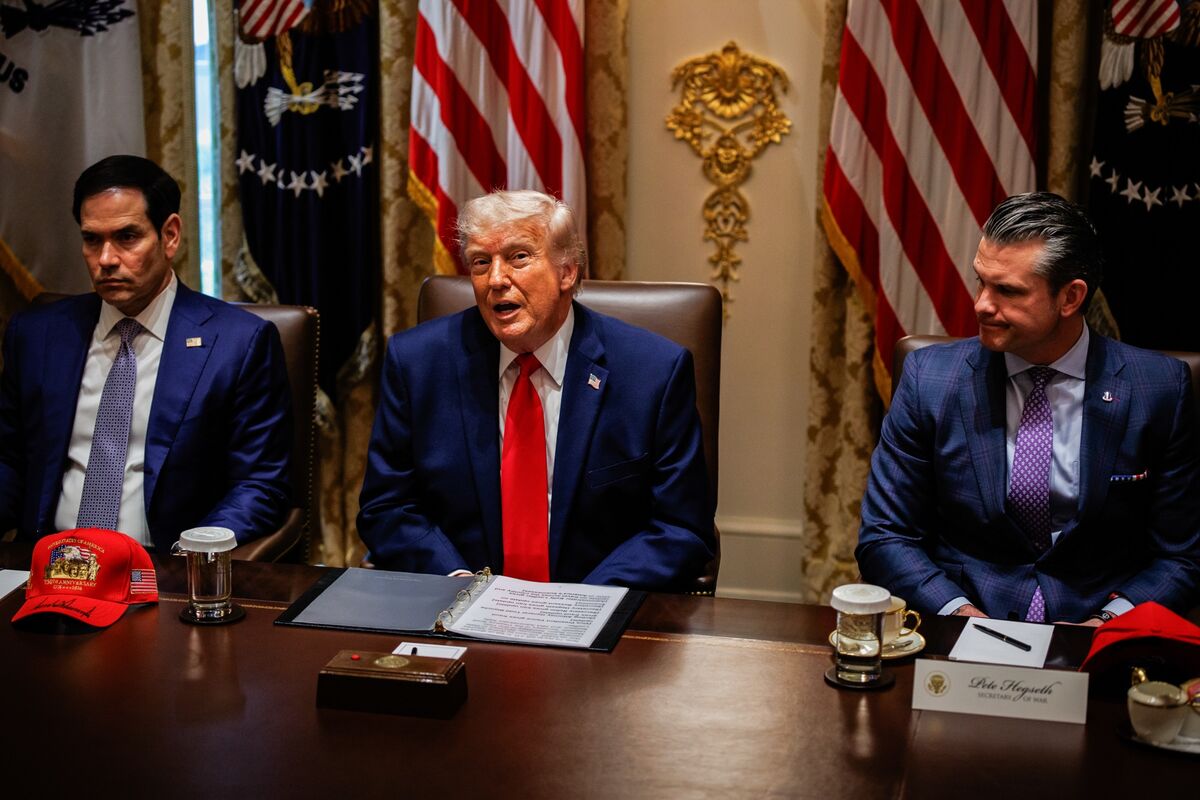
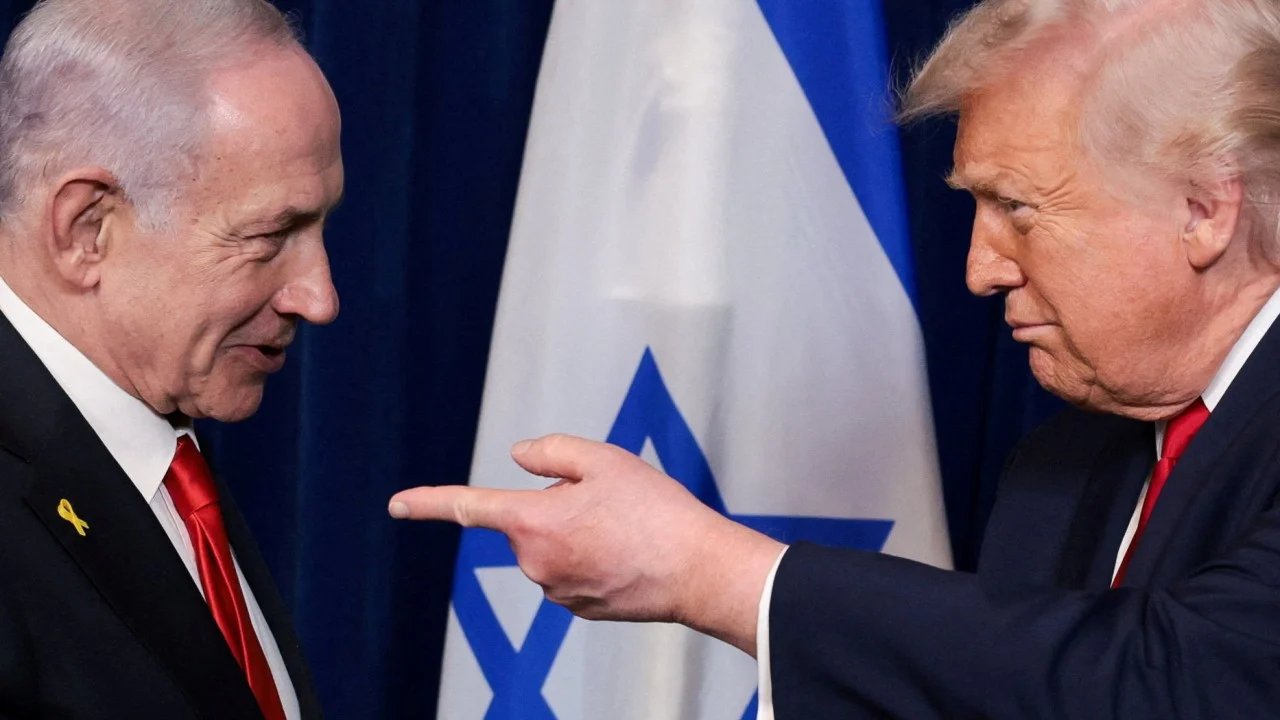
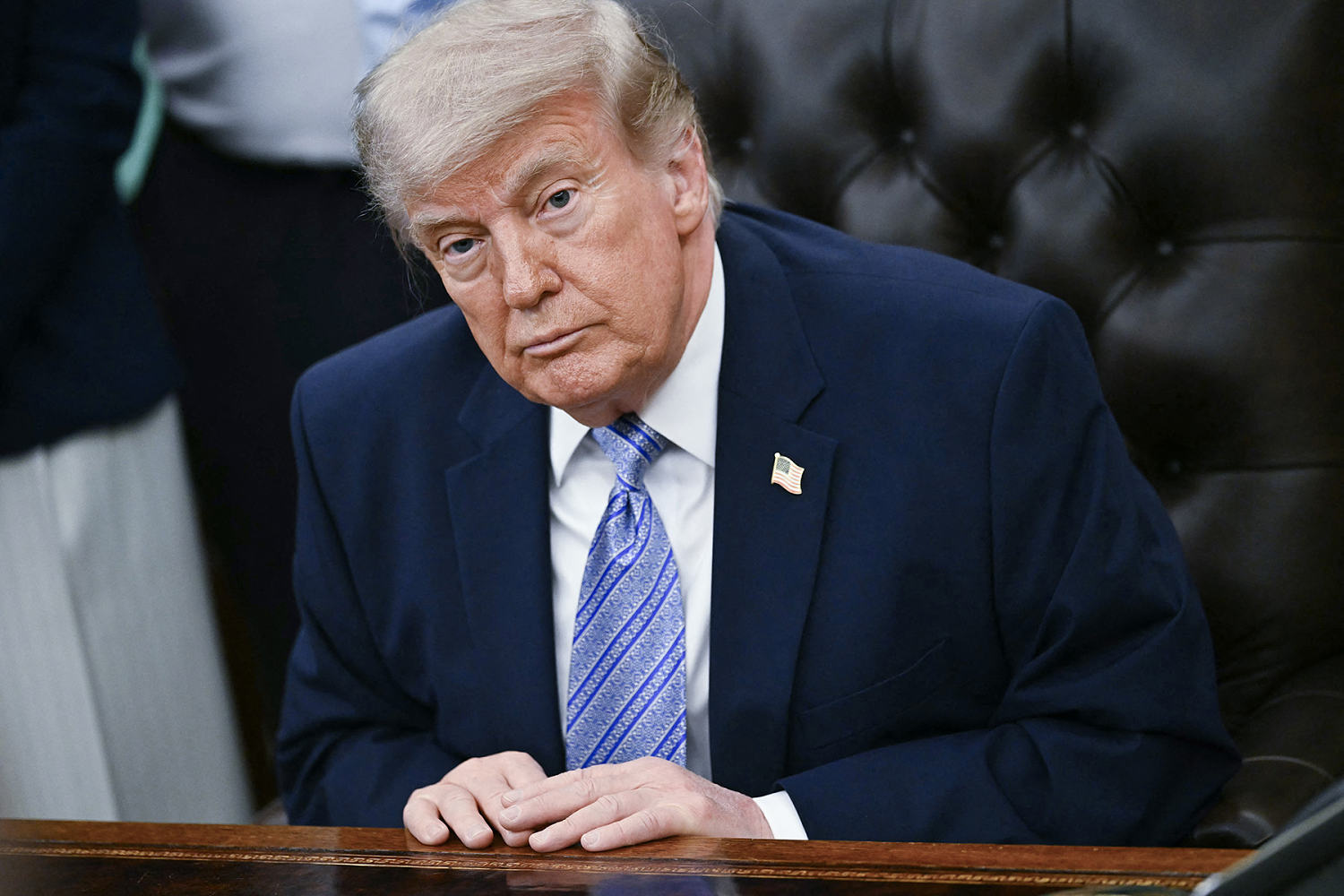
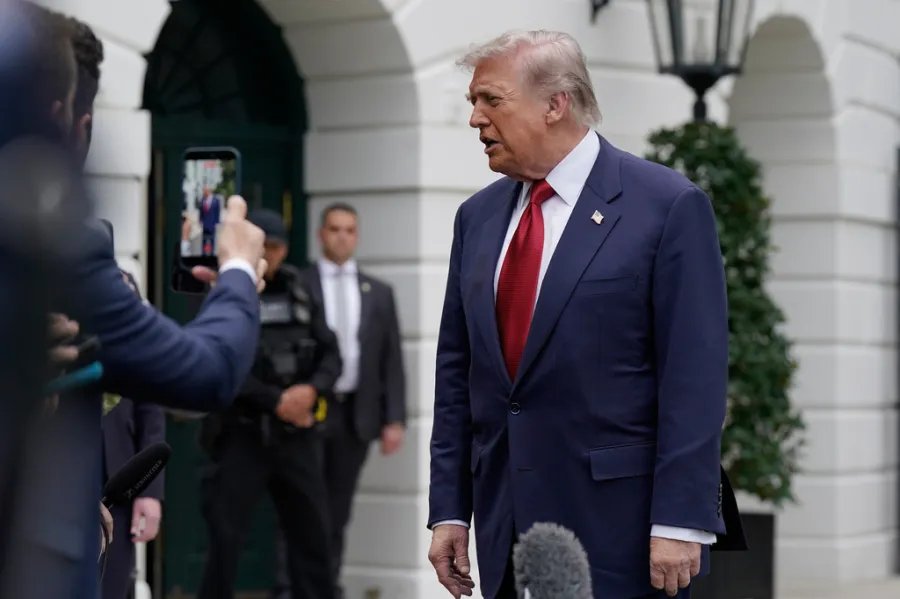
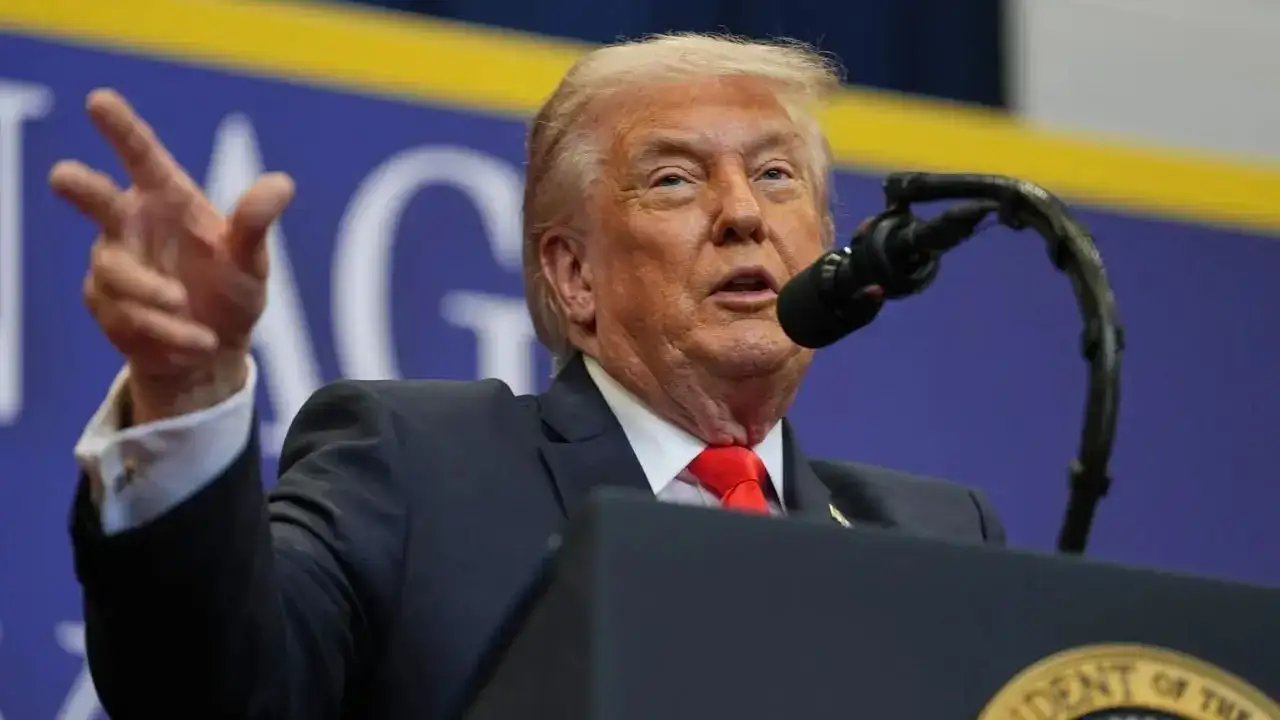
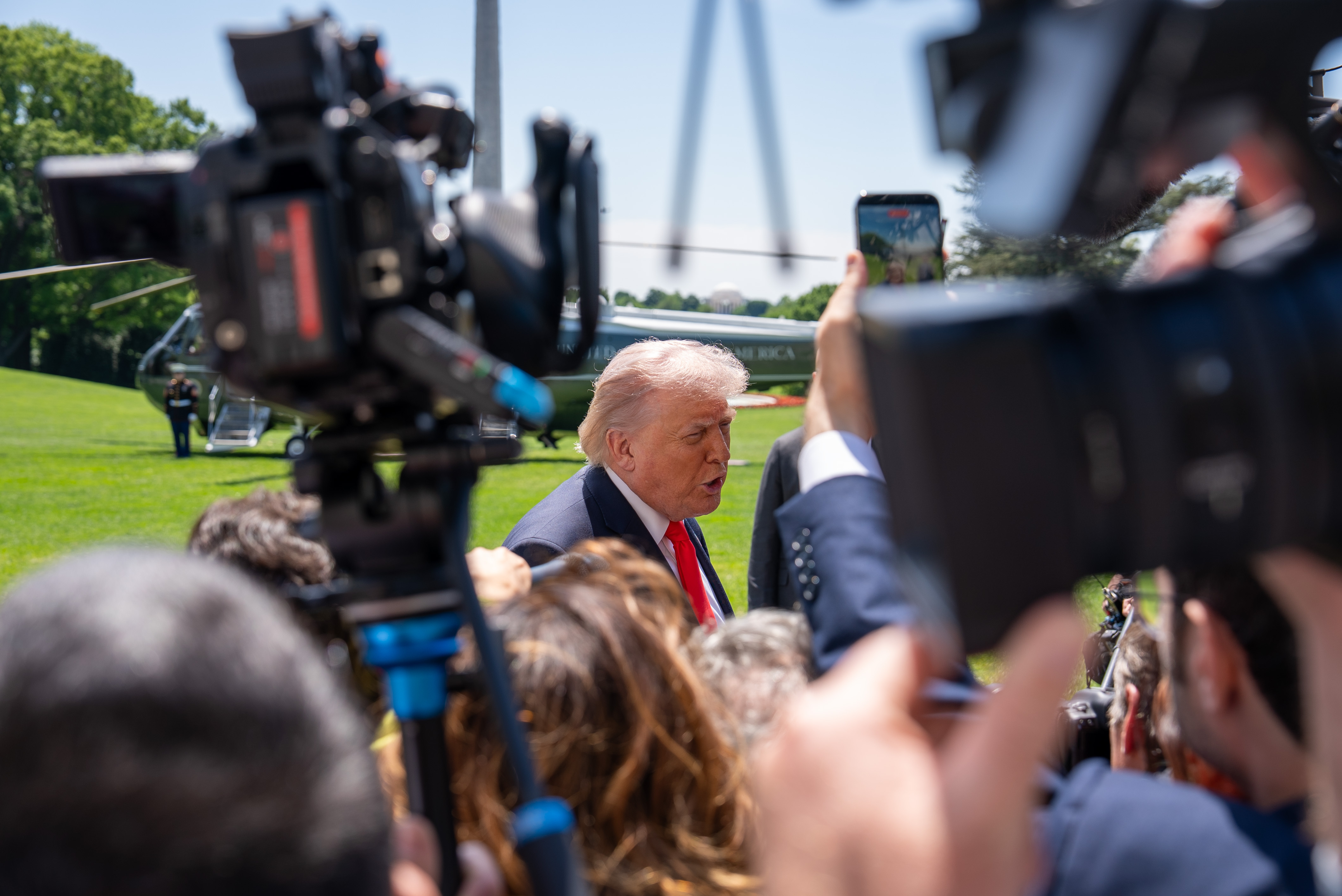
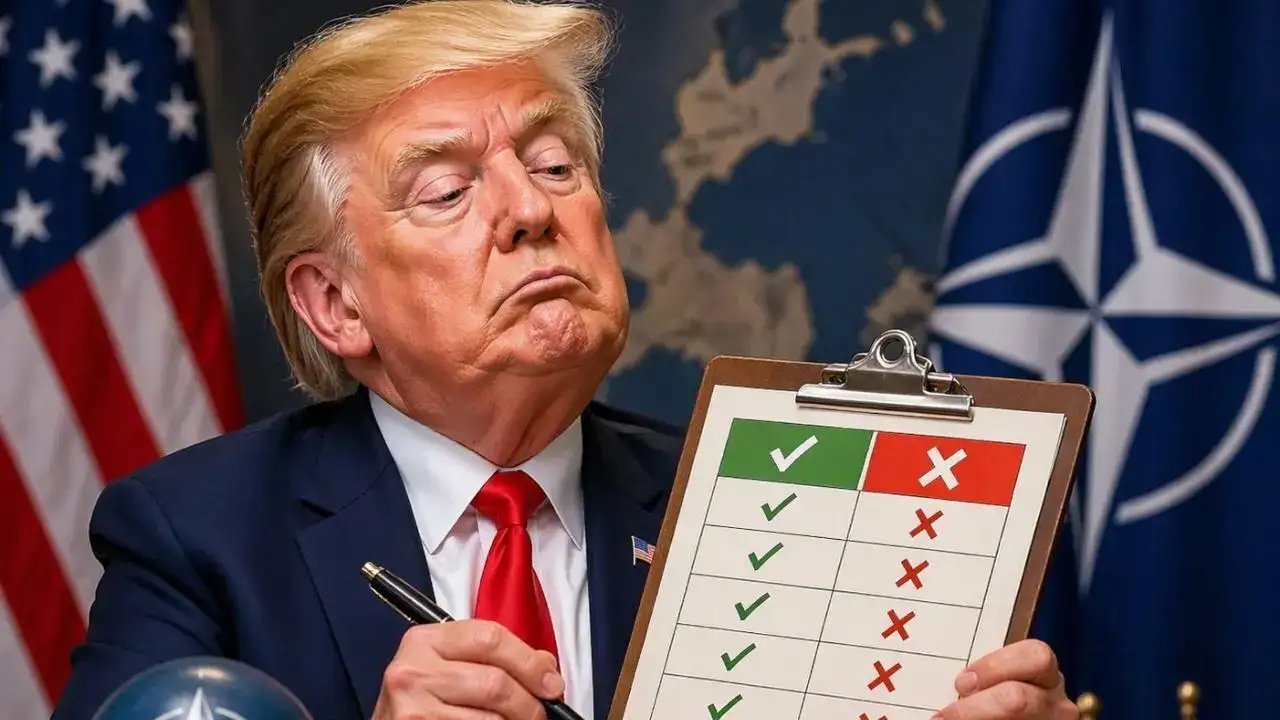
President Trump told Bloomberg on Monday he is "highly unlikely" to extend the ceasefire beyond Wednesday evening and rejected the idea of lengthening it even if peace talks make progress. When asked by CNBC whether he would consider extending the truce if talks advance this week, Trump responded, "I don't want to do that. We don't have that much time."
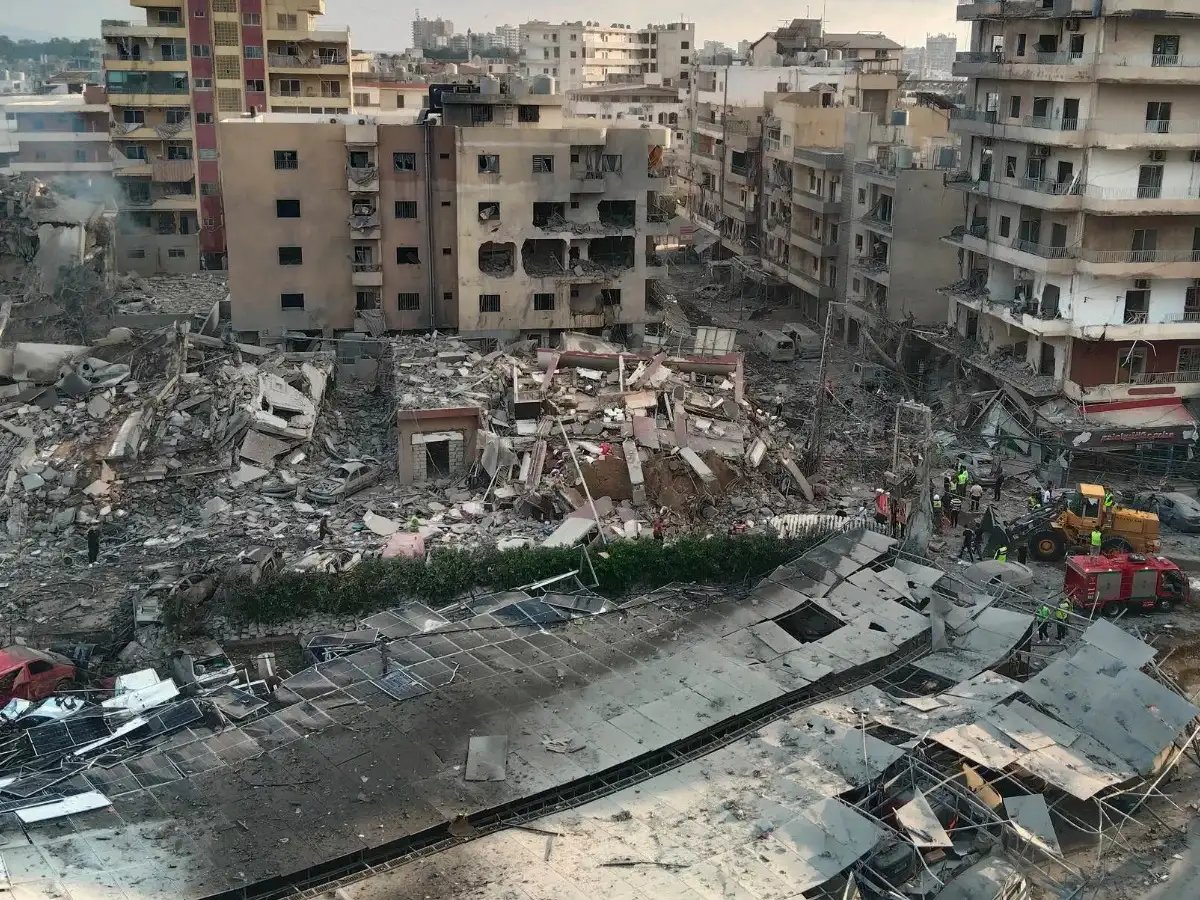
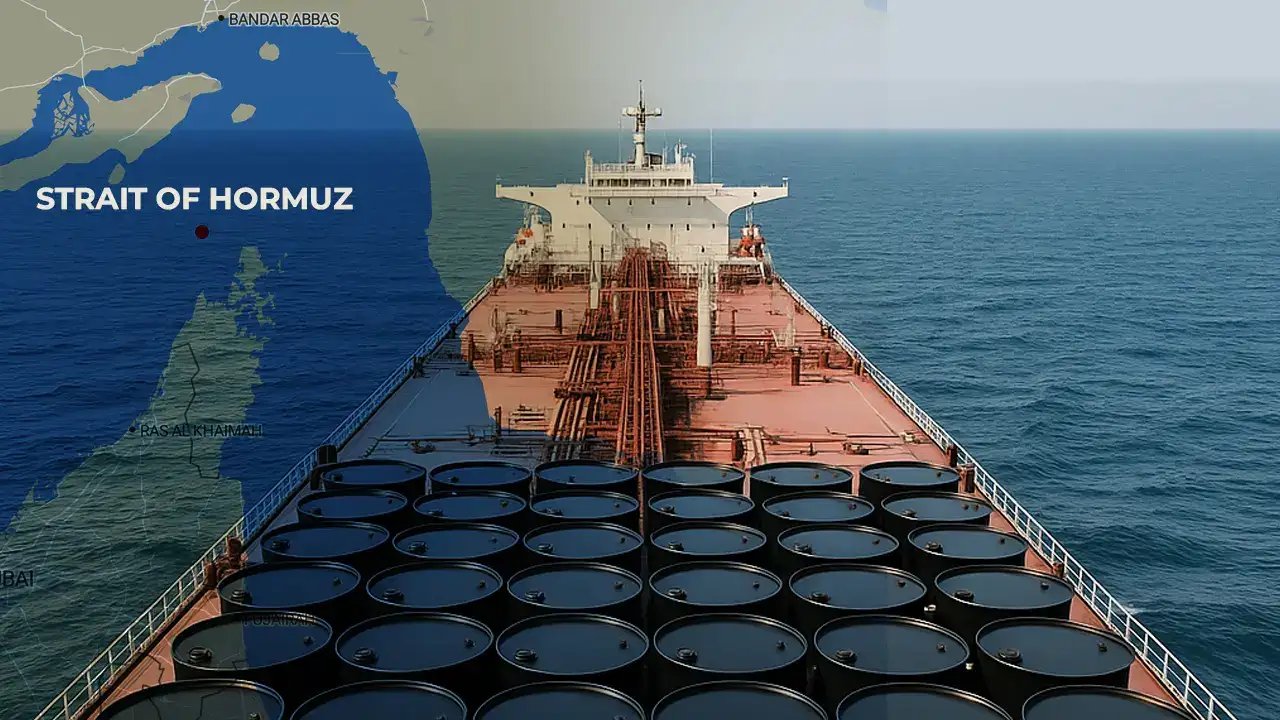
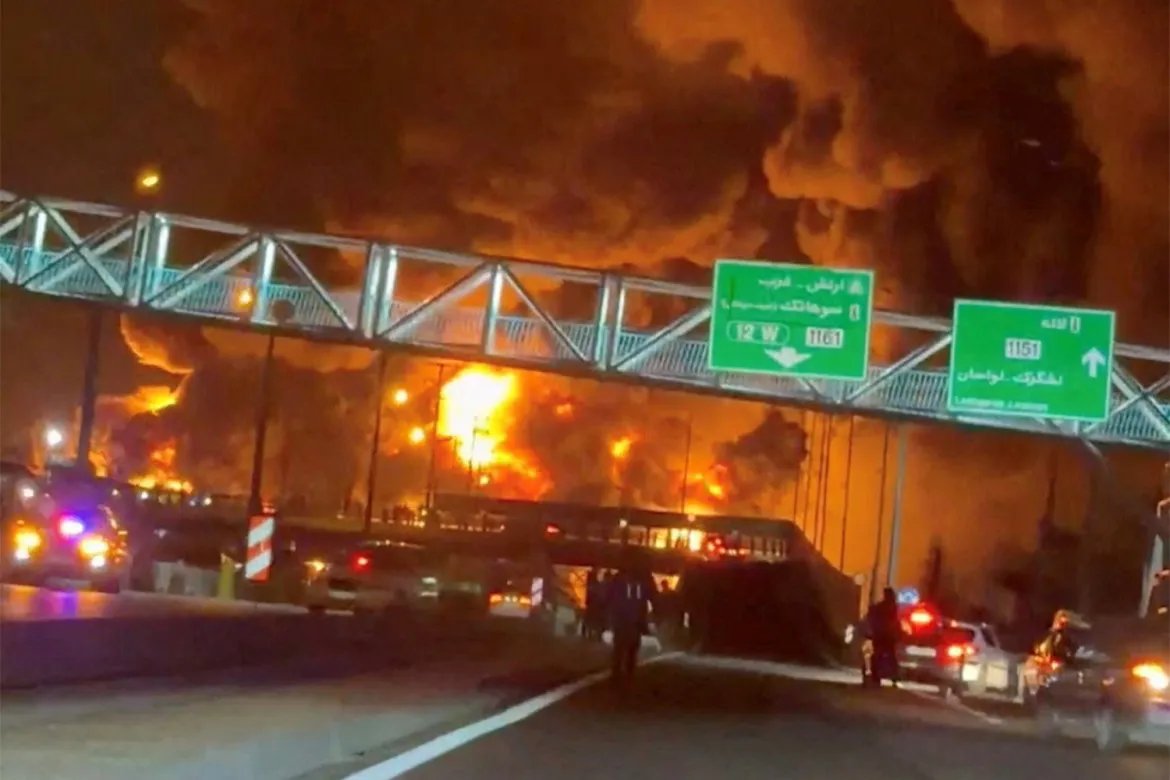
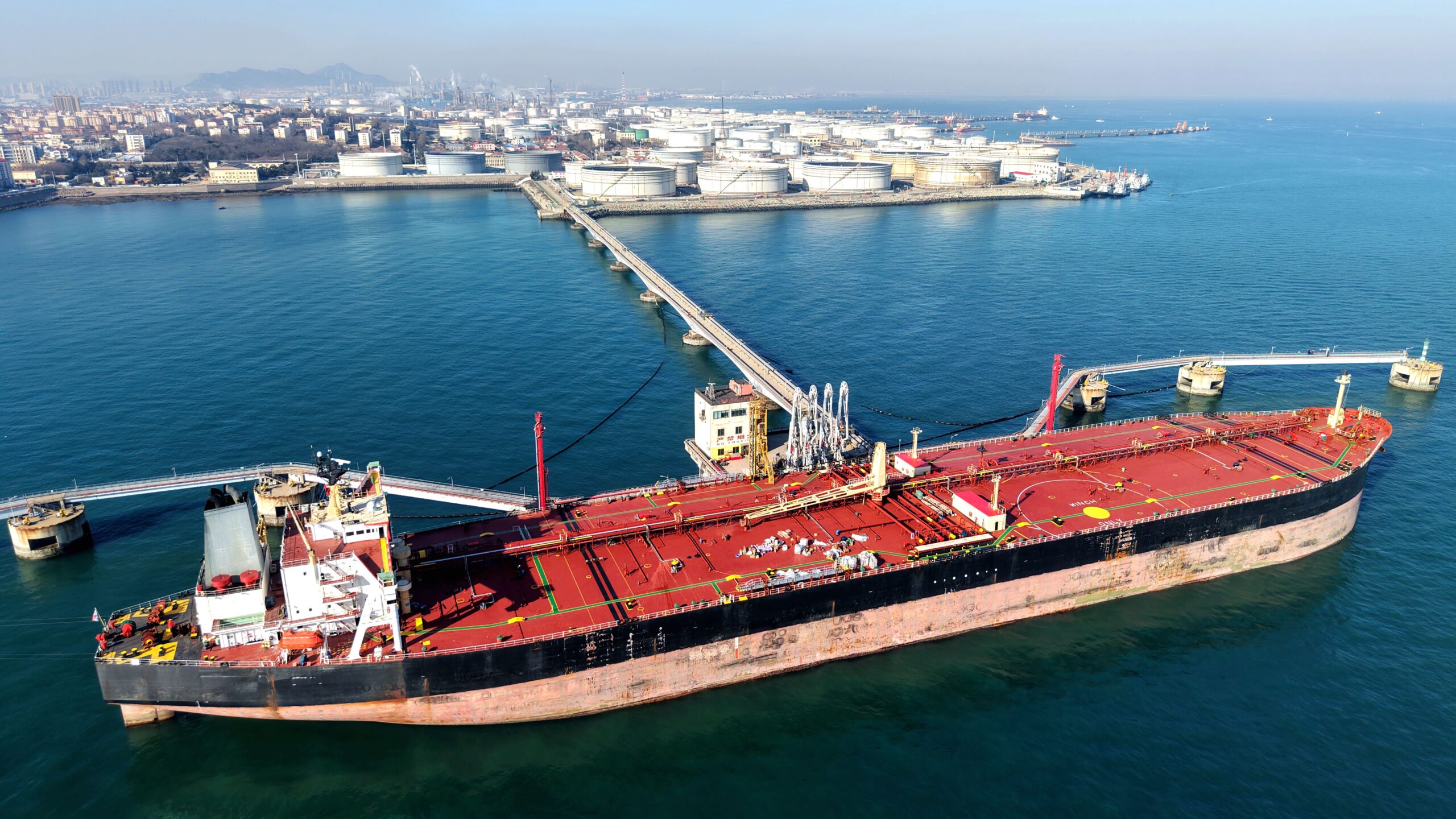
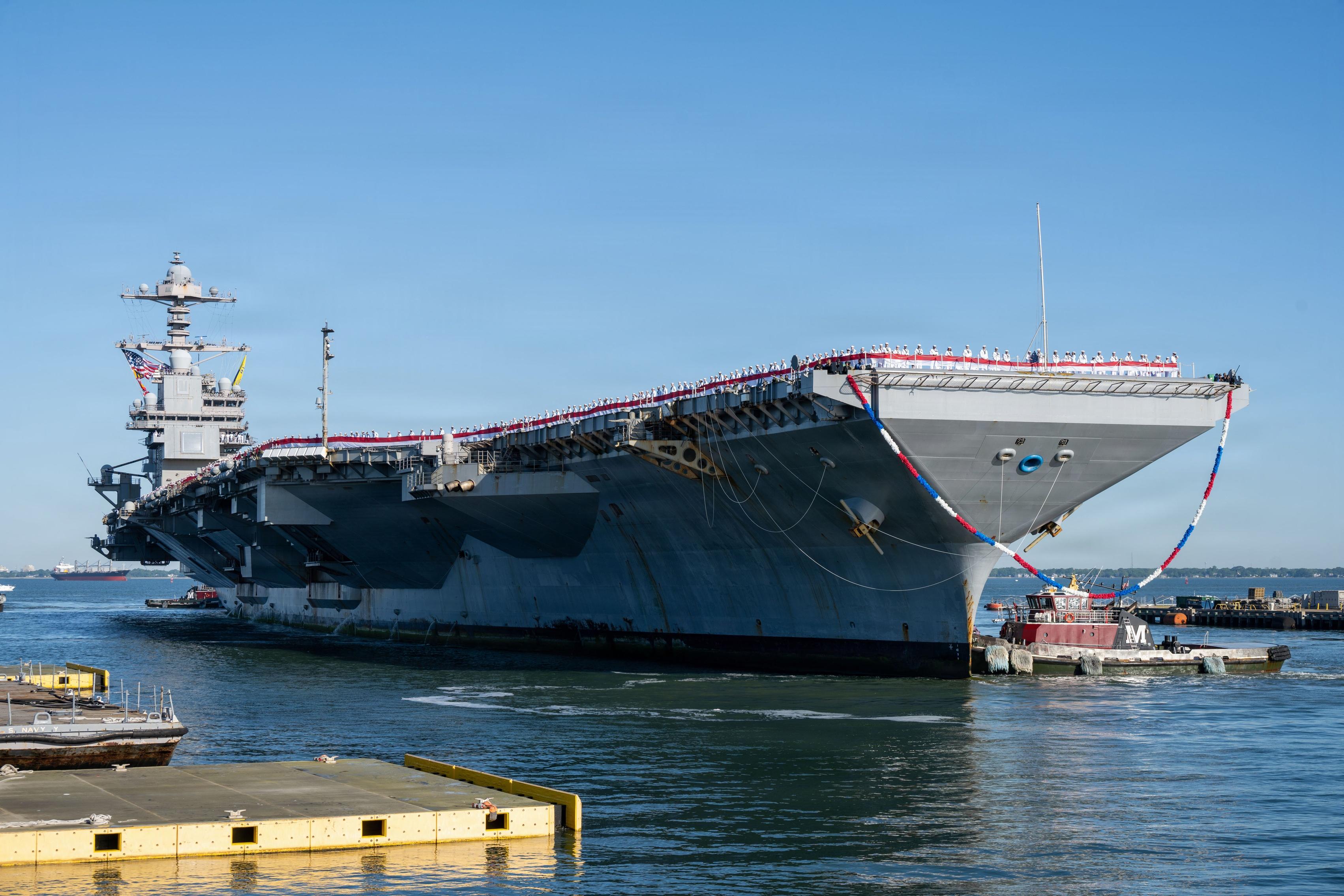
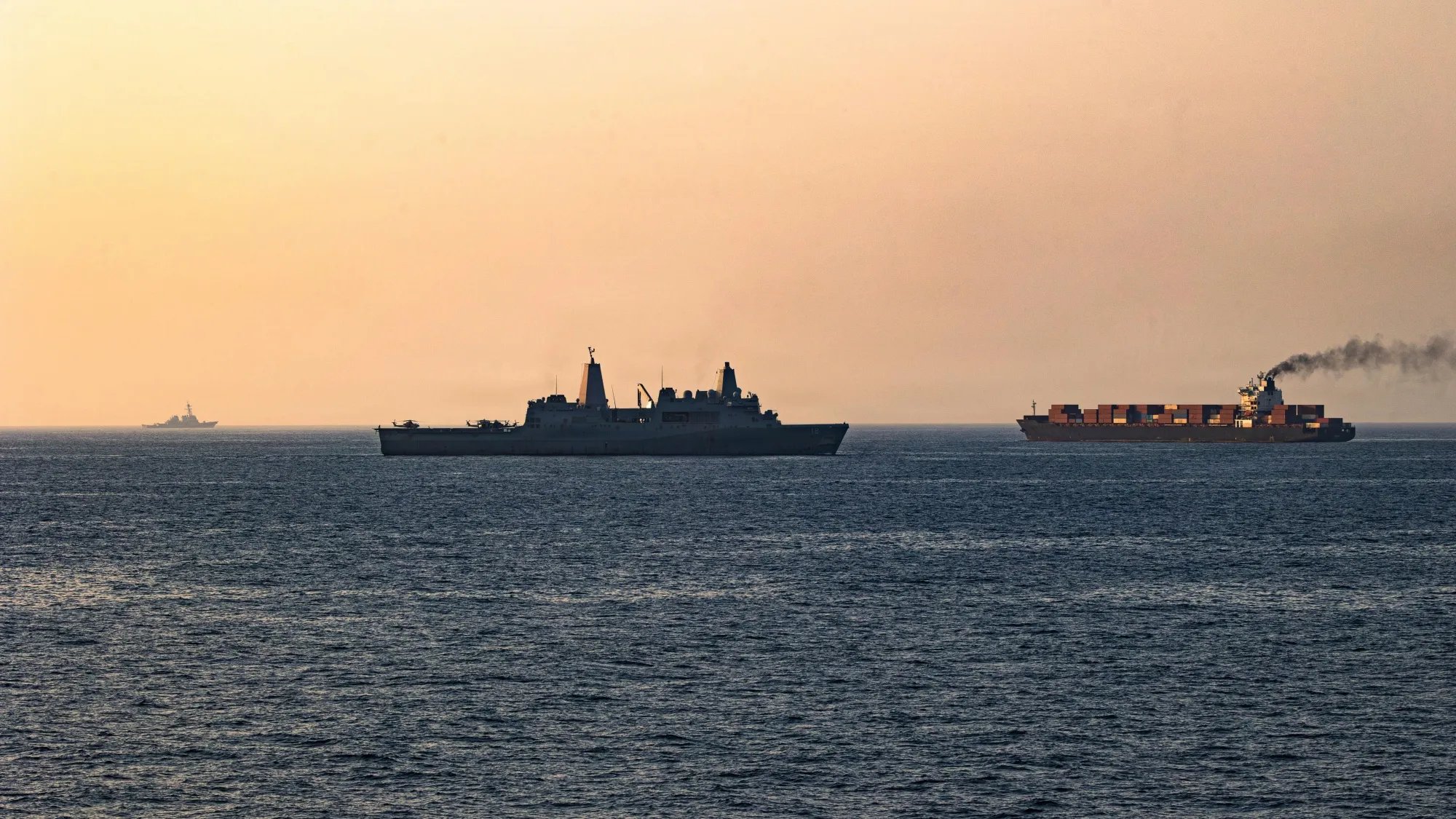
Trump told PBS News that "lots of bombs" will go off in Iran if the ceasefire expires without a deal. He has set firm demands: Iran must end uranium enrichment and surrender its existing stockpile of enriched uranium. The U.S. will not lift its naval blockade of the Strait of Hormuz until Tehran agrees to negotiate, Trump said, adding, "They're going to negotiate, and if they don't, they're going to see problems like they've never seen before."
Iran Signals Resistance to Negotiations
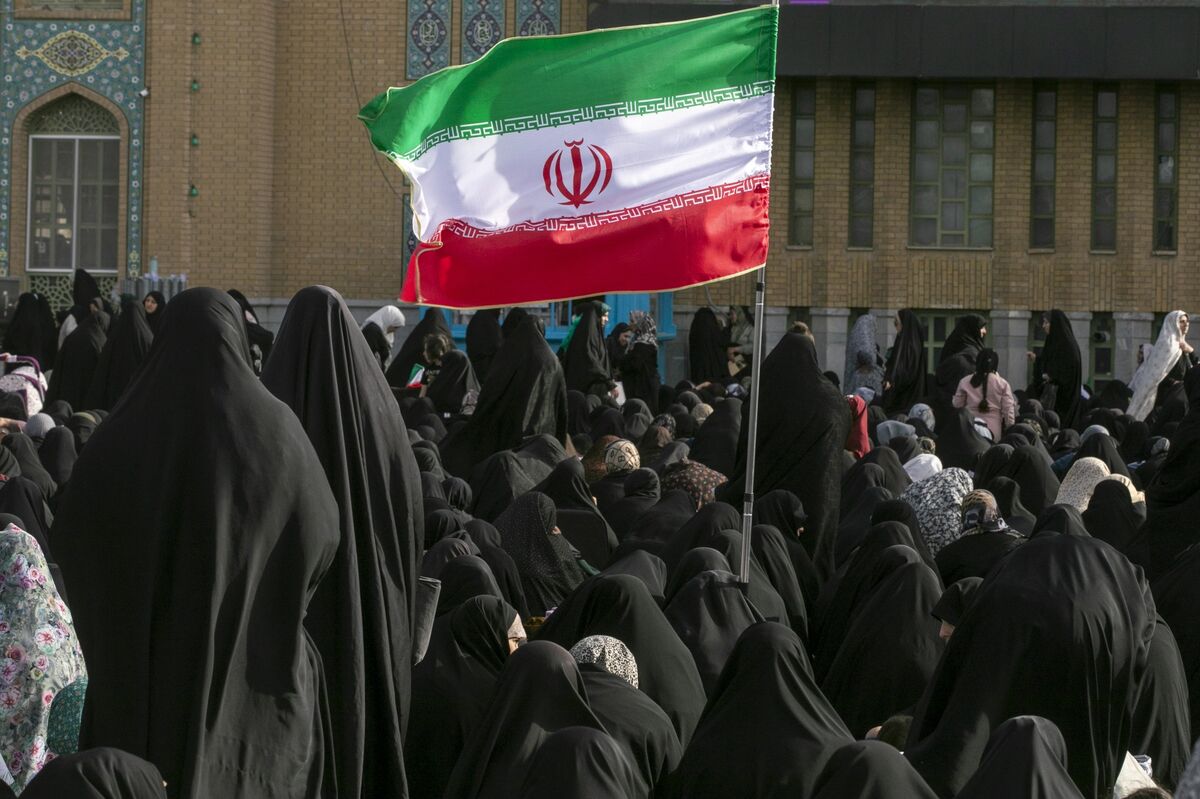
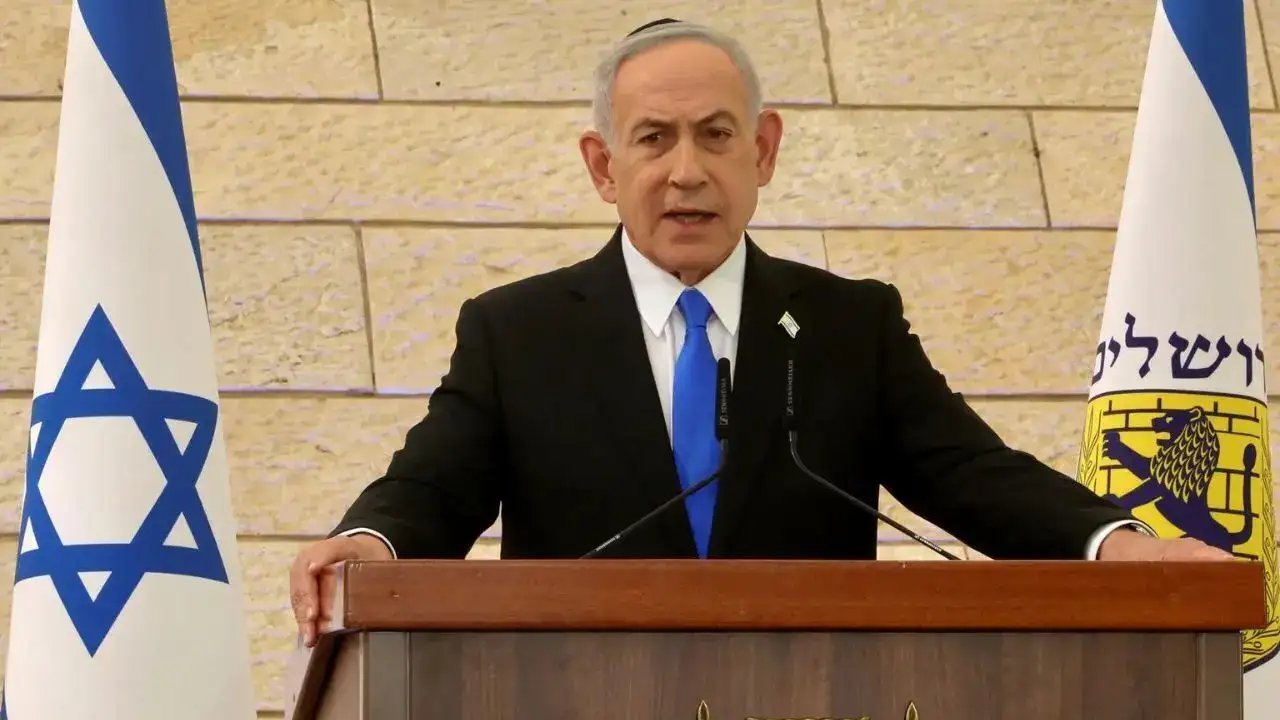
Iranian Parliament Speaker Mohammad Bagher Qalibaf posted on X early Tuesday that Iran does not accept "negotiations under the shadow of threats" and accused Trump of seeking to turn the negotiating table "into a table of surrender or to justify renewed warmongering." He also said Iran's armed forces are "prepared to reveal new cards on the battlefield" if fighting resumes.
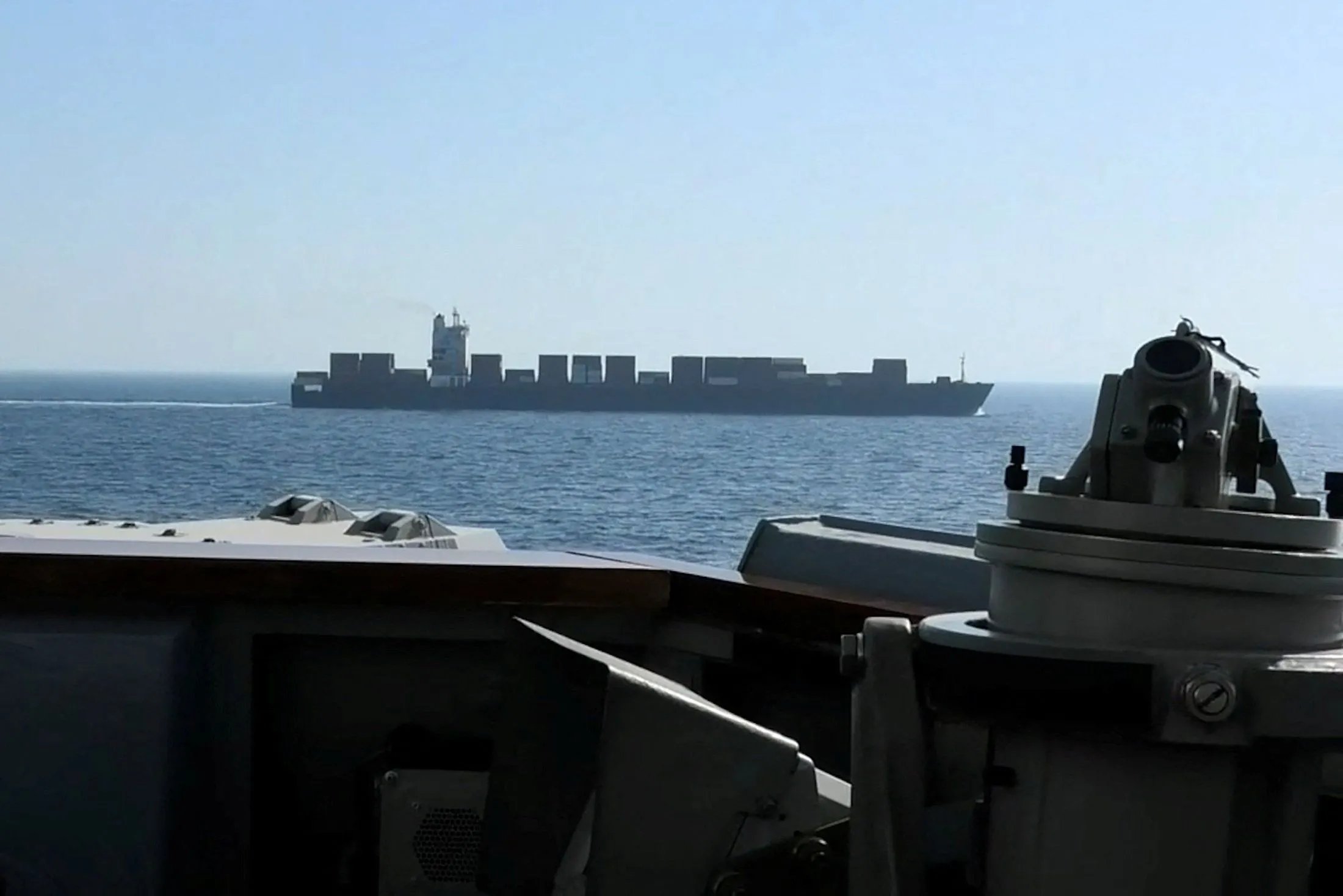
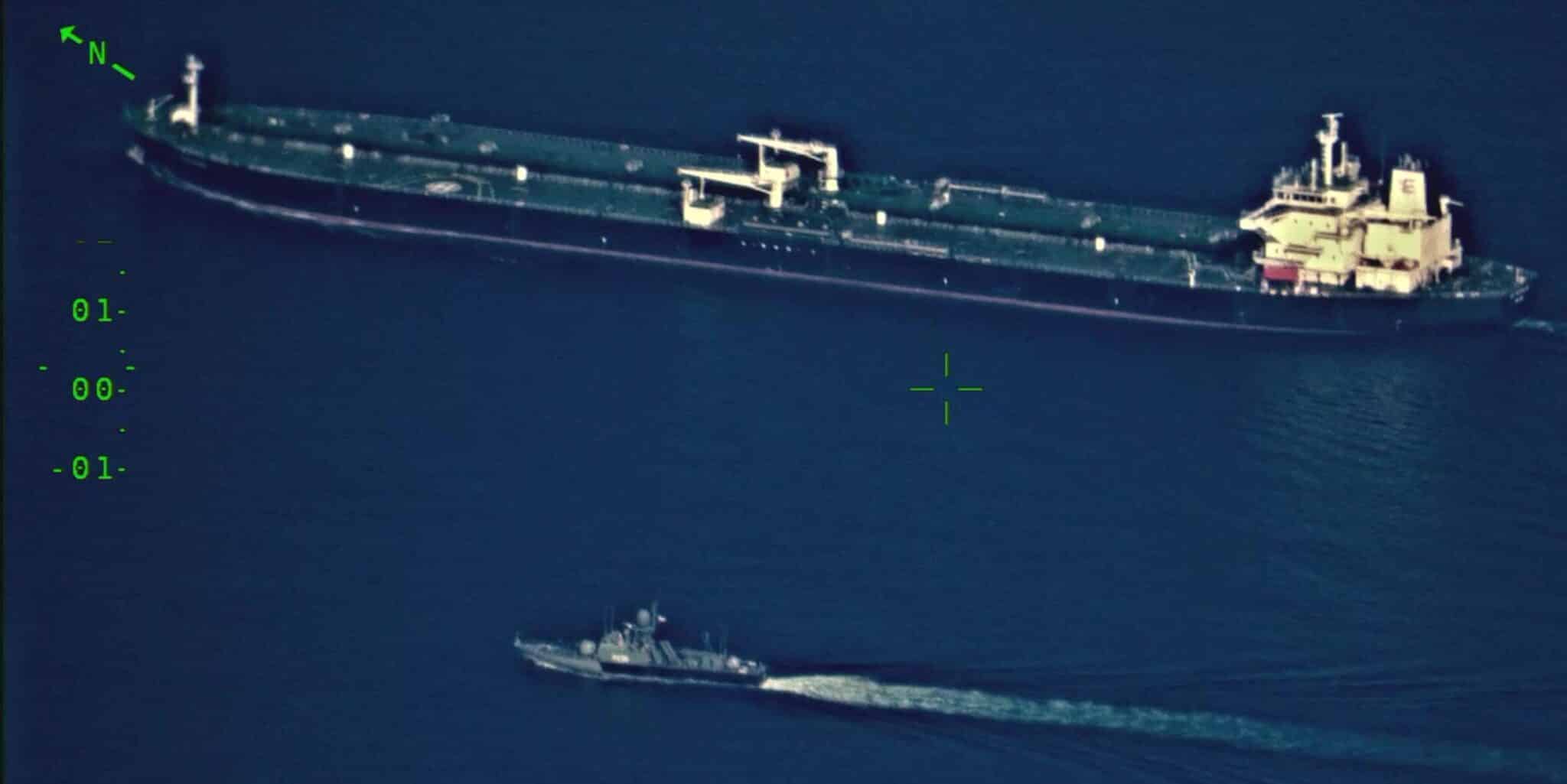
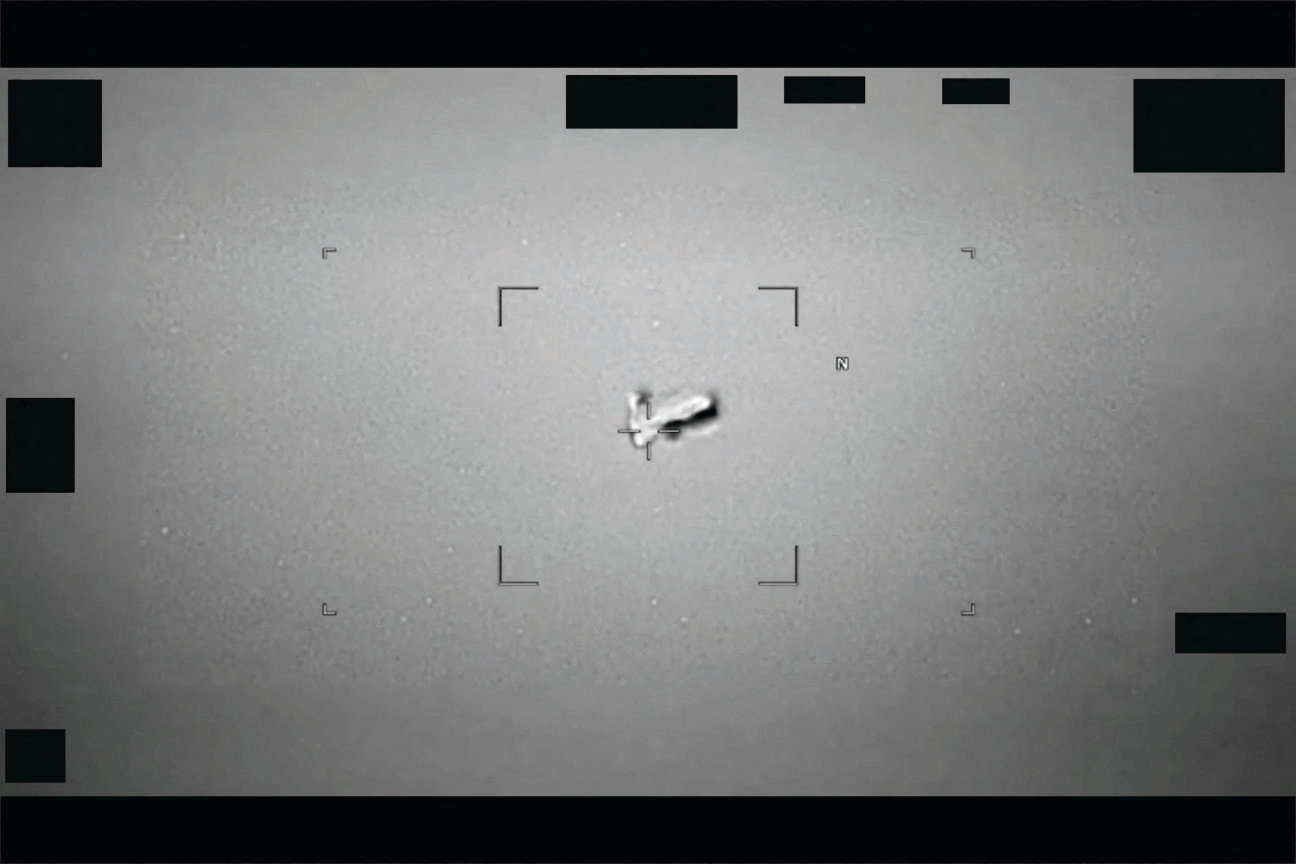
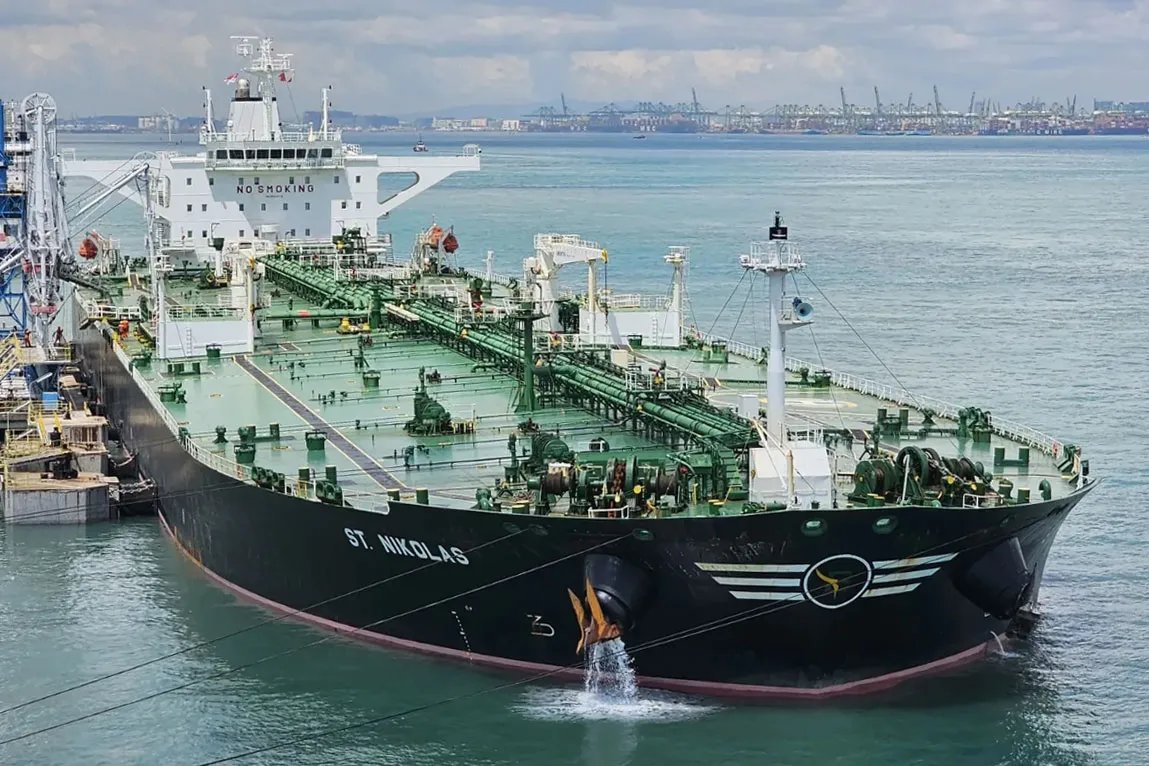
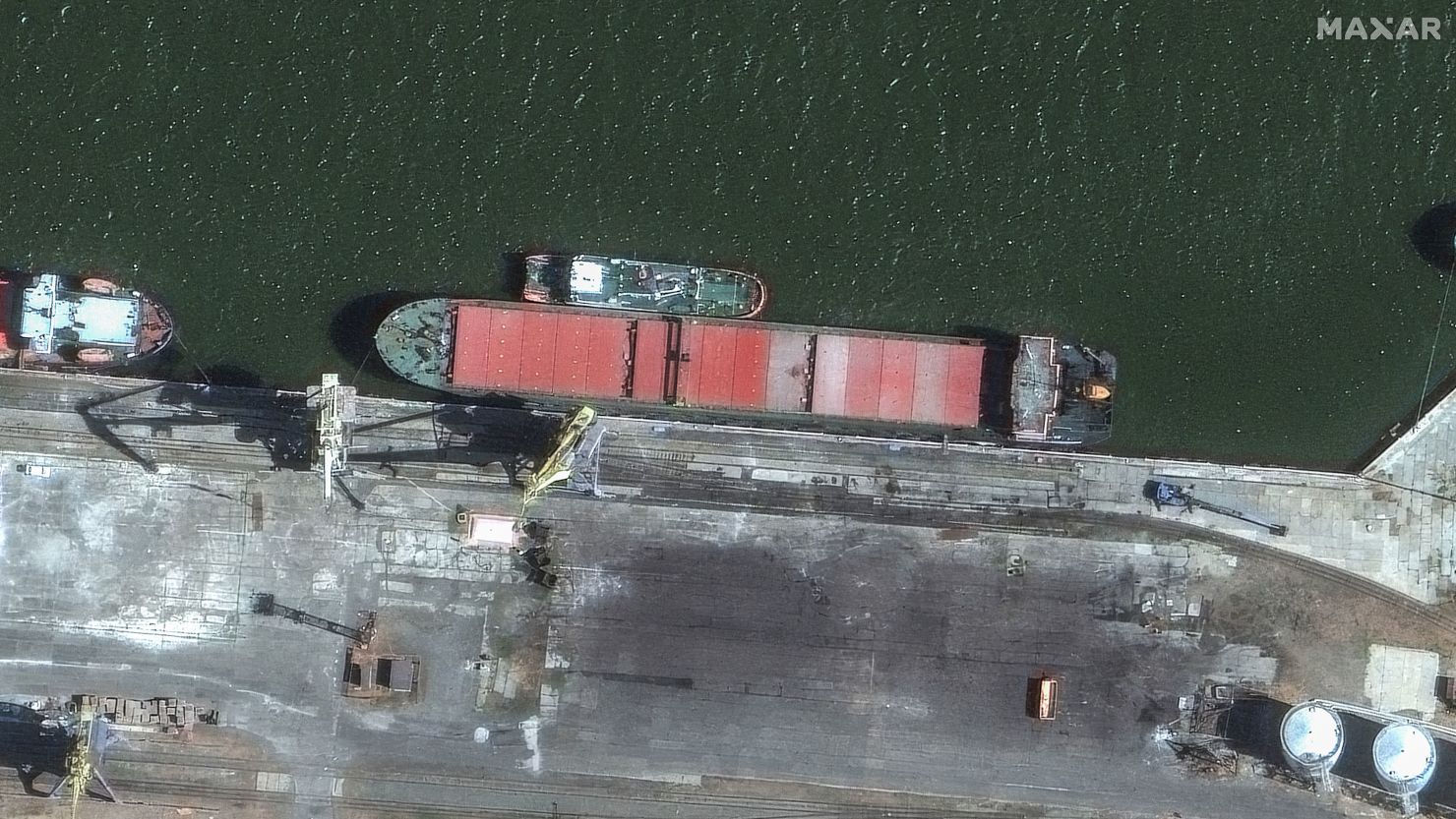
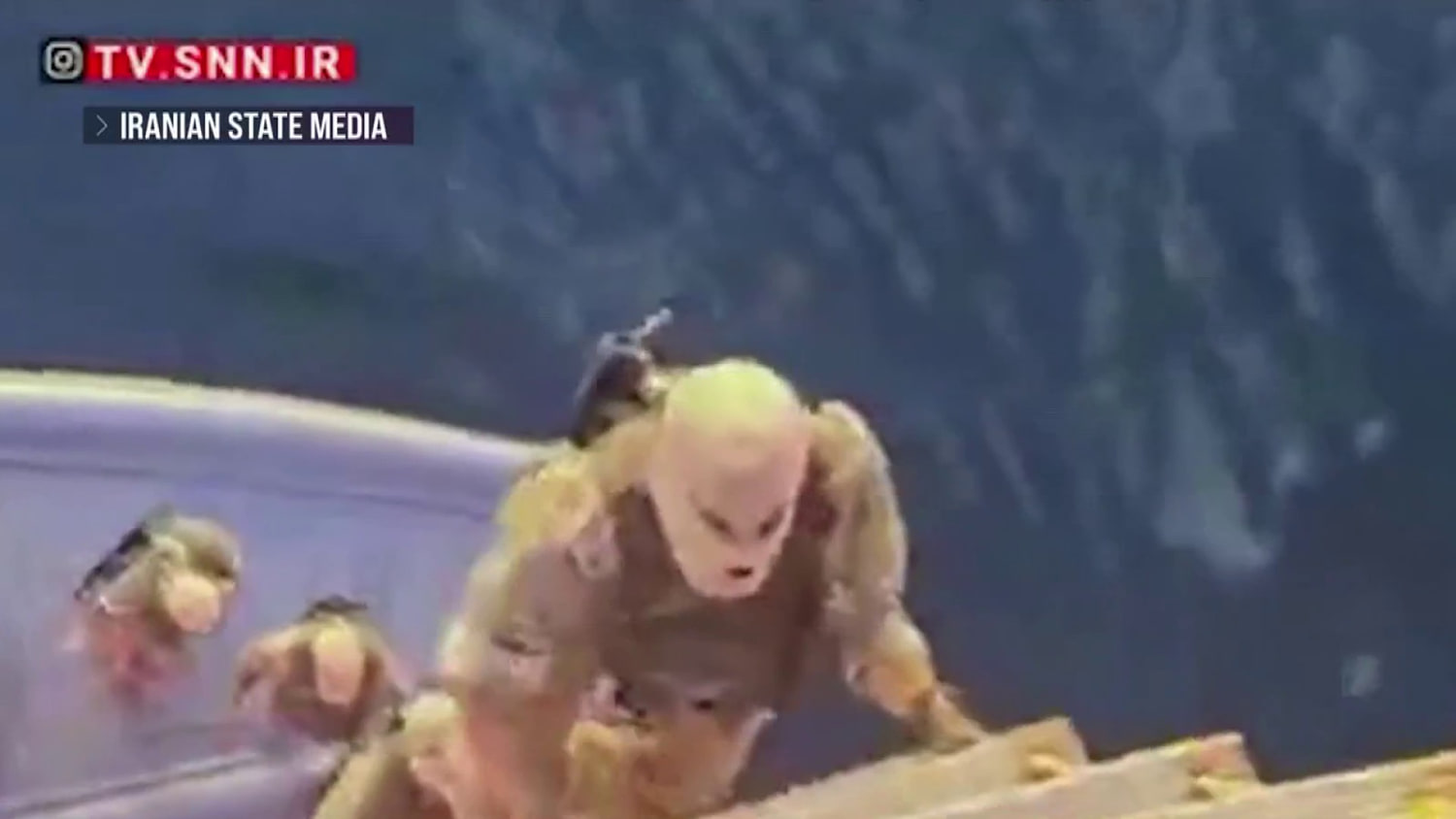
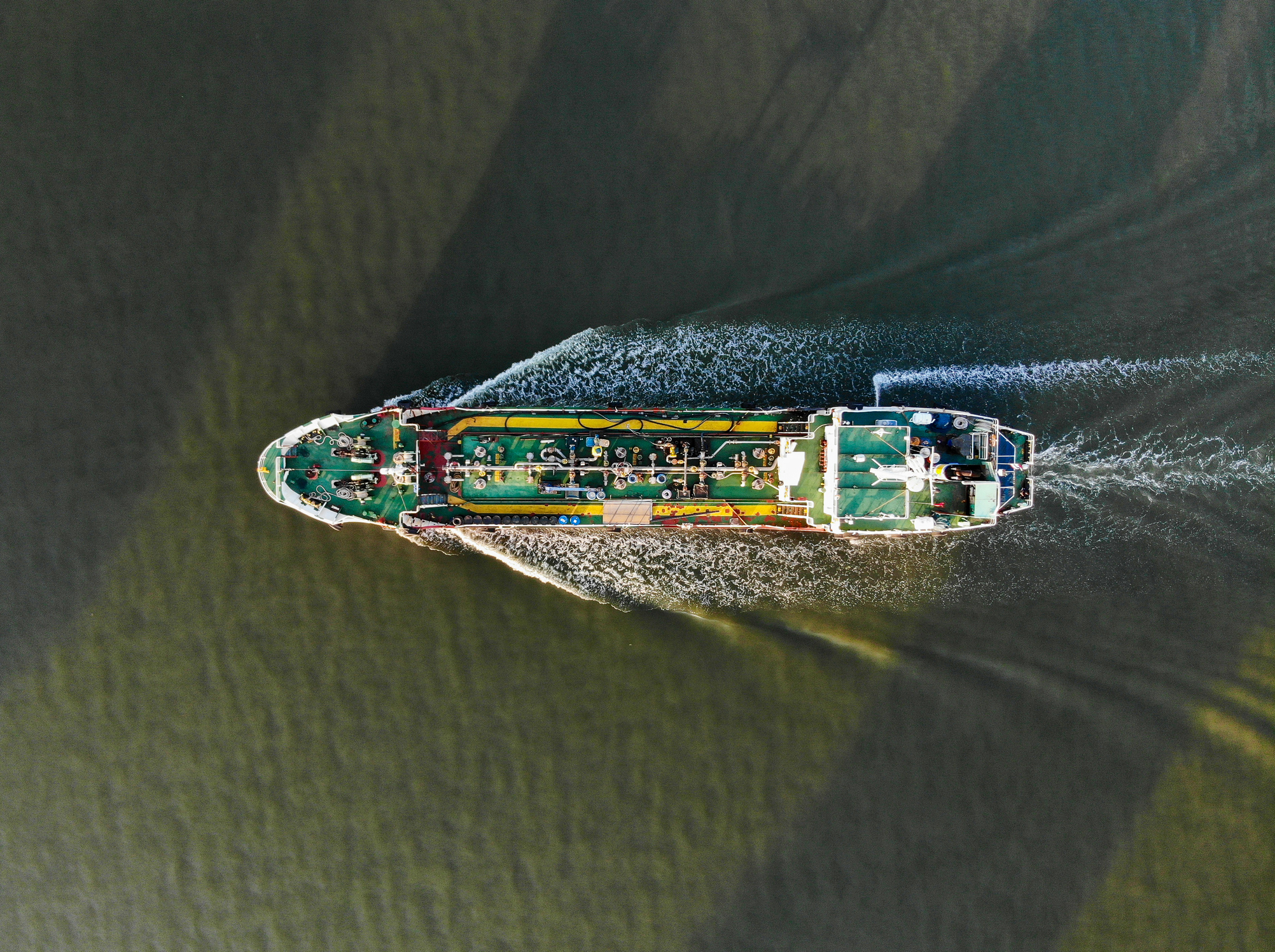
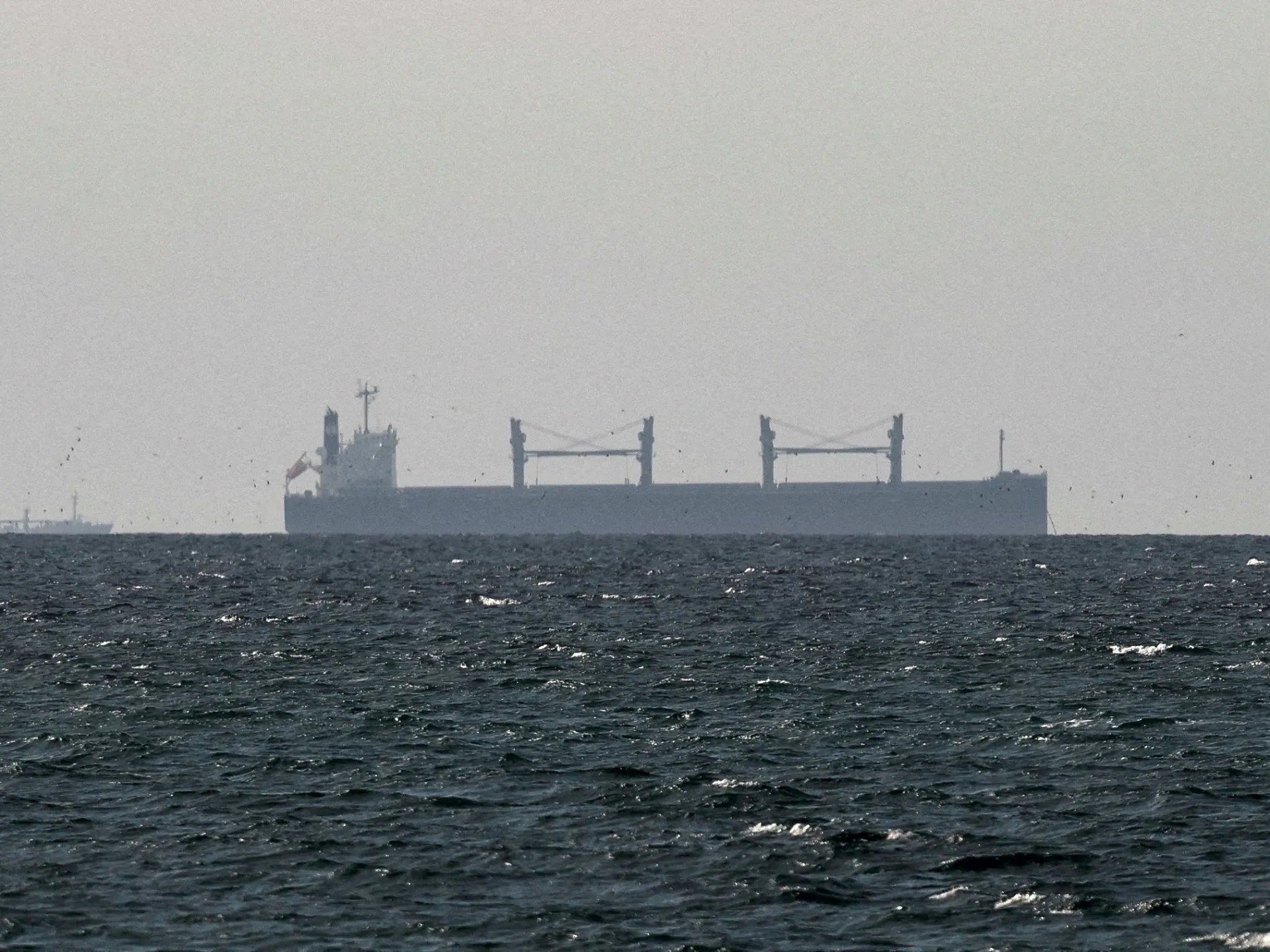
Iran's Ministry of Foreign Affairs said it has no plans to re-engage diplomatically with Washington for now. Iran's judiciary chief, Gholamhossein Mohseni Ejei, said Tehran must "maintain 100% readiness" given a "strong possibility" of further U.S. attacks. These statements follow U.S. naval forces firing on the Iranian-flagged cargo ship Touska in the Gulf of Oman on Sunday after it attempted to pass through the blockade. The U.S. also boarded a second ship, the cargo vessel M/T Tifani, on Tuesday.
The Uranium Enrichment Divide
During the first round of talks, U.S. negotiators proposed a 20-year pause on Iranian enrichment, and Iran countered with five years. Trump has publicly said he wants no enrichment and has refused to set a timeframe for this moratorium. The enrichment question remains the central fault line between the two sides.
Umer Karim, an associate fellow at the King Faisal Center for Research and Islamic Studies, said Iran is seeking an end to the U.S. blockade, or at least a clear intent to relax it. A tangible easing could take the form of reciprocal steps, such as the U.S. permitting Iranian oil shipments to proceed, with Tehran responding in kind. Karim noted that during the first round, Iran initially conditioned its participation on a ceasefire in Lebanon before entering talks without one, demonstrating pragmatism.
Domestic Pressure Shapes Iran's Position
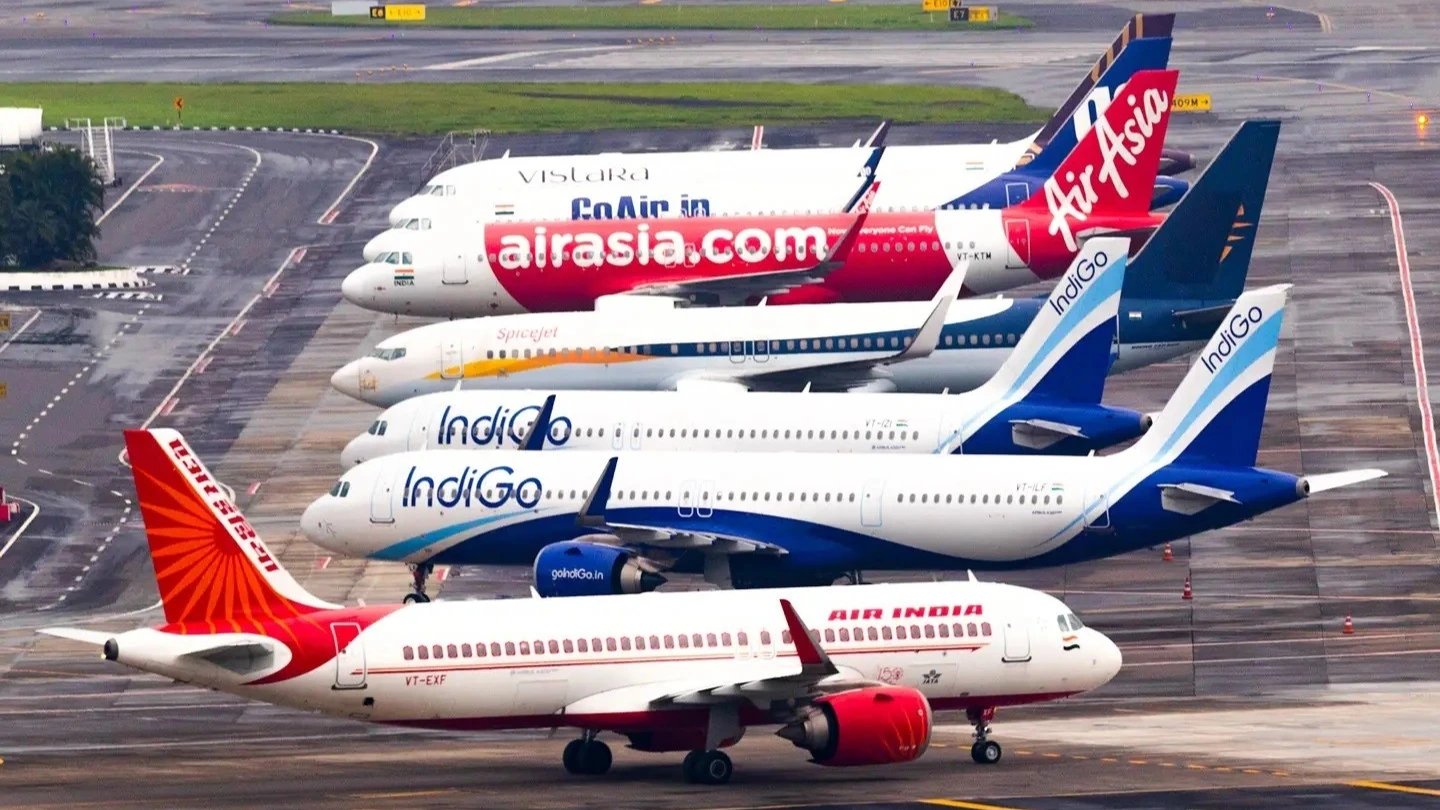
The Islamic Revolutionary Guard Corps has been pushing Iran's negotiating team to adopt a firmer line, conditioning any return to talks on a full end to the U.S. naval blockade. Javad Heiran-Nia, a researcher specializing in Iranian affairs, said the divide between the IRGC and the diplomatic team is evident, citing instances over the weekend when ships attempting to pass through the strait were allegedly fired on by Iran. India summoned Iran's ambassador in New Delhi to raise concerns about firing on two of its ships.
Heiran-Nia said if a deal were reached, it would likely override internal opposition. "If a deal is reached, it will likely have a sovereign character," he told Al Jazeera. "The establishment will impose its own narrative, and the IRGC will accept it."