Petrochemicals Embedded in Thousands of Consumer Goods
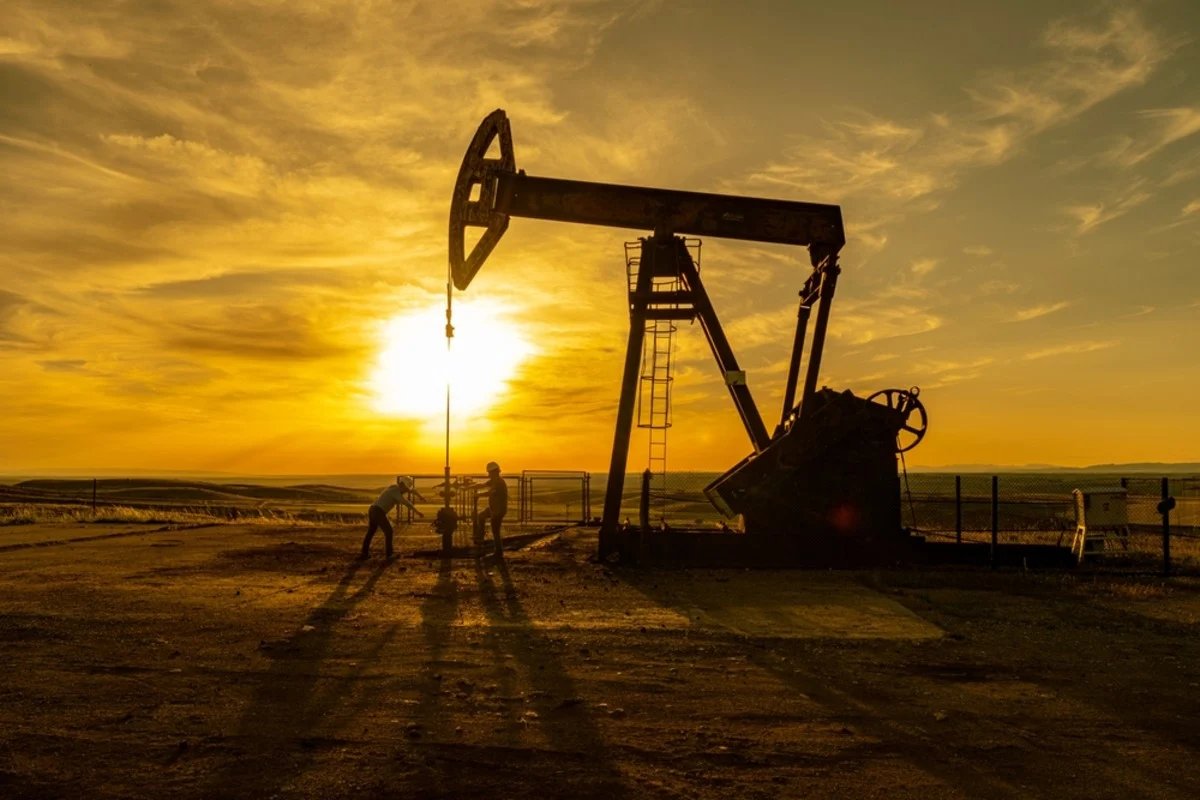
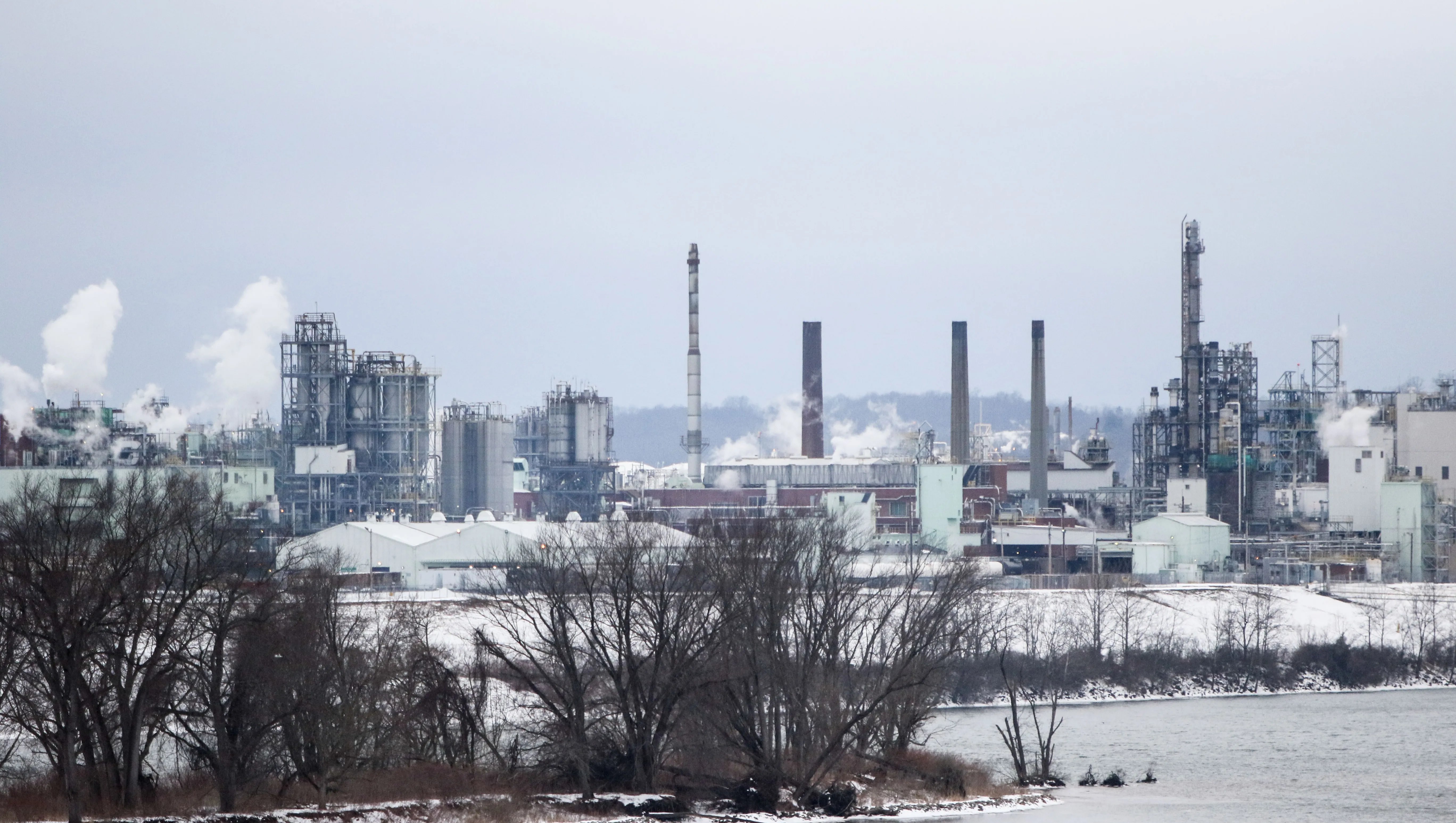
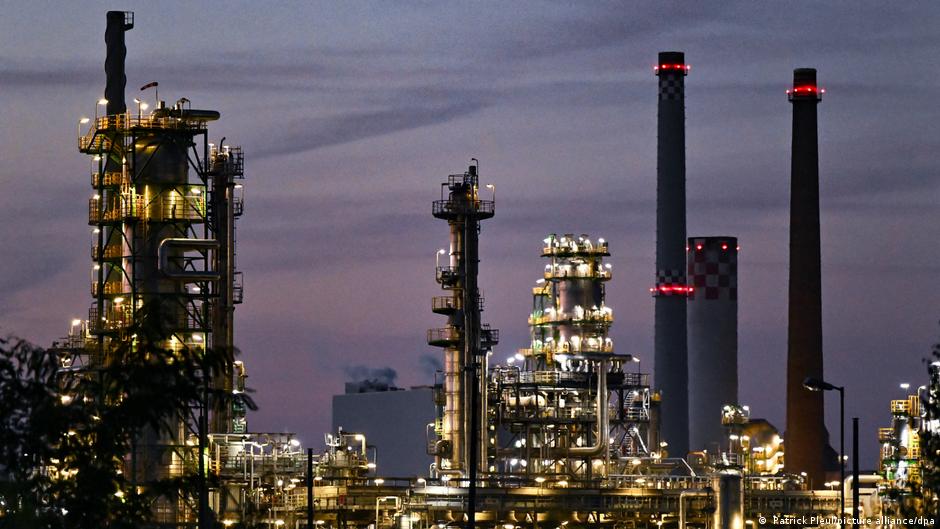
Petrochemicals derived from oil and natural gas go into making more than 6,000 consumer products, according to the U.S. Department of Energy. Computer keyboards, lipstick, tennis rackets, pajamas, soft contact lenses, detergent, chewing gum, shoes, crayons, shaving cream, pillows, aspirin, dentures, tape, umbrellas and nylon guitar strings all contain petroleum derivatives. The war is also threatening the world's supply of helium and aluminum, key materials used in semiconductor chips and medical equipment.
Ricardo Venegas, CEO of Aleni Brands in Fort Lauderdale, Florida, discovered this connection when suppliers in China notified him three weeks after the war started that materials for plush toys were costing 10% to 15% more. "I think this situation demonstrates how much oil permeates throughout our system, and we can't get away from it," Venegas said. He founded the company last year and expects to increase prices for customers by early 2027 if the war continues another three to six months.
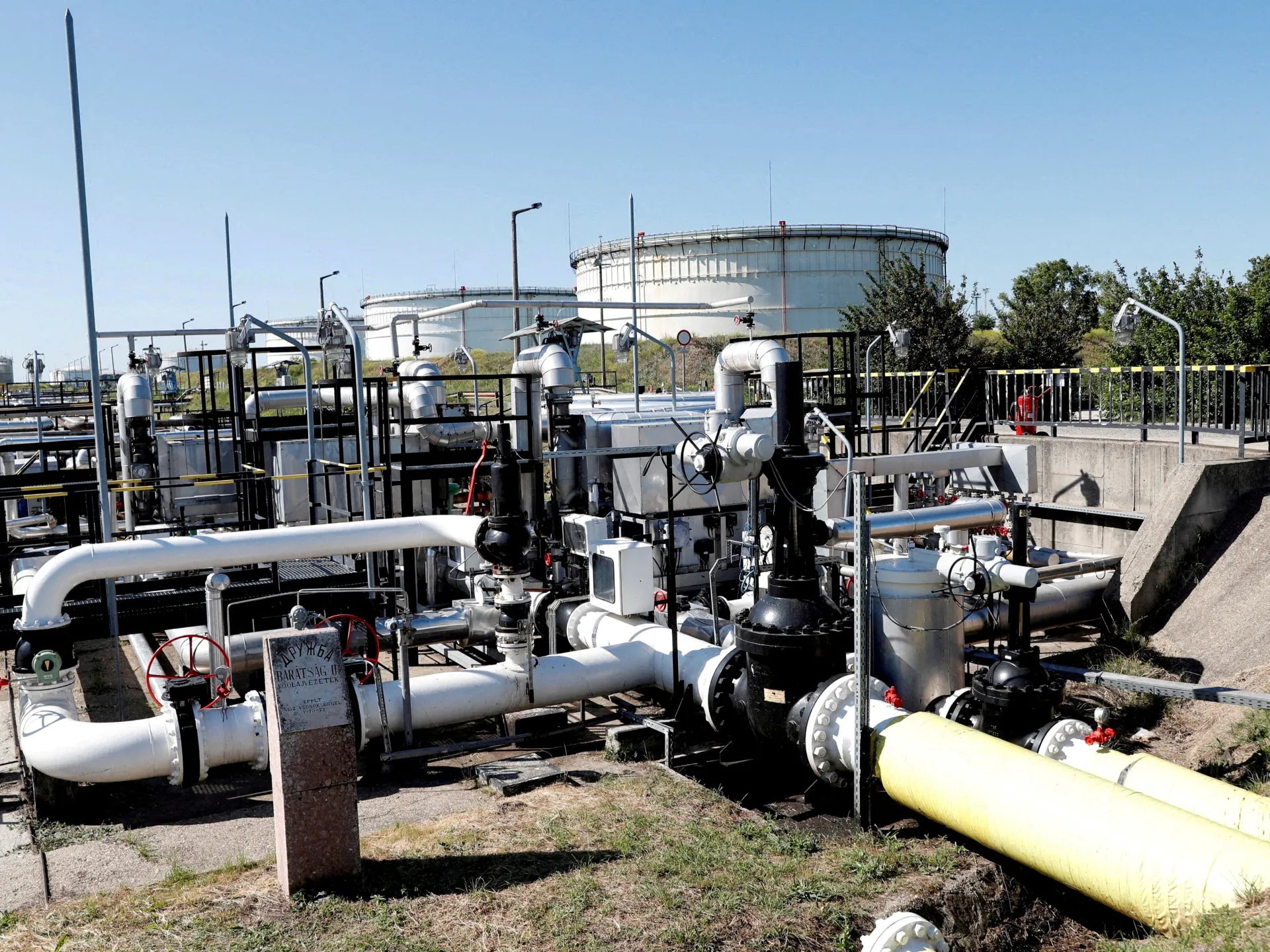
While 85% of global oil consumption is in the form of fuel, the rest goes into a wide range of consumer products. Six petrochemicals—ethylene, propylene, butylene, benzene, toluene and xylenes—are the major foundations of plastics and synthetic materials like nylon and polyesters.
Clothing and Footwear Face Immediate Cost Increases
One kilogram of materials used in polyester textiles increased in price from an average of 90 cents before the U.S. and Israel attacked Iran to $1.33 per kilogram, according to Nate Herman, executive vice president of the American Apparel & Footwear Association. Herman estimated that each garment will cost 10 cents to 15 cents more to produce as a result.
For a button-down shirt, materials account for 27% to 30% of manufacturing costs, according to Andrew Walberer, partner and global lead in the chemicals practice at Kearney. Roughly 70% of the materials in synthetic shoes are petrochemical-based, and 30% of the costs for those materials are directly tied to oil price swings. The Footwear Distributors and Retailers of America estimated that between materials, factory energy and transportation, companies paying more for petroleum could translate into a 1.5% to 3% increase in the price shoppers pay for shoes by late summer and fall.
By the end of April, U.S. shoe and clothing manufacturers need to start signing contracts with suppliers, mostly outside the U.S., for orders of polyester materials to get their designs on retail shelves for the holiday shopping season.
Medical and Household Products Face Price Hikes
Gentell, a wound care company based in Yardley, Pennsylvania, plans to raise prices by 15% in a matter of weeks. CEO David Navazio noted that adhesives in bandages, dressings, pads and sponges rely on several petrochemicals. Including energy for production and materials, Navazio estimated the company's costs are going up by 20%. Because bandages and dressings are necessities, he does not think his business will suffer if it raises customer prices.
Lisa Lane, founder of Rinseroo, which sells portable shower head and sink attachments, recently tripled the number of units she procures from China each month after her manufacturer said costs would be 30% higher in another 30 days. The components of Rinseroo's products include petroleum derivatives like polyvinyl chloride. After purchasing 240,000 units instead of her usual 80,000, Lane is evaluating cost-cutting options. She wants to hold off on increasing prices for retailers since Rinseroo raised them last year to offset higher U.S. tariffs on imports from China.
Global Economic Damage Spreads Unevenly
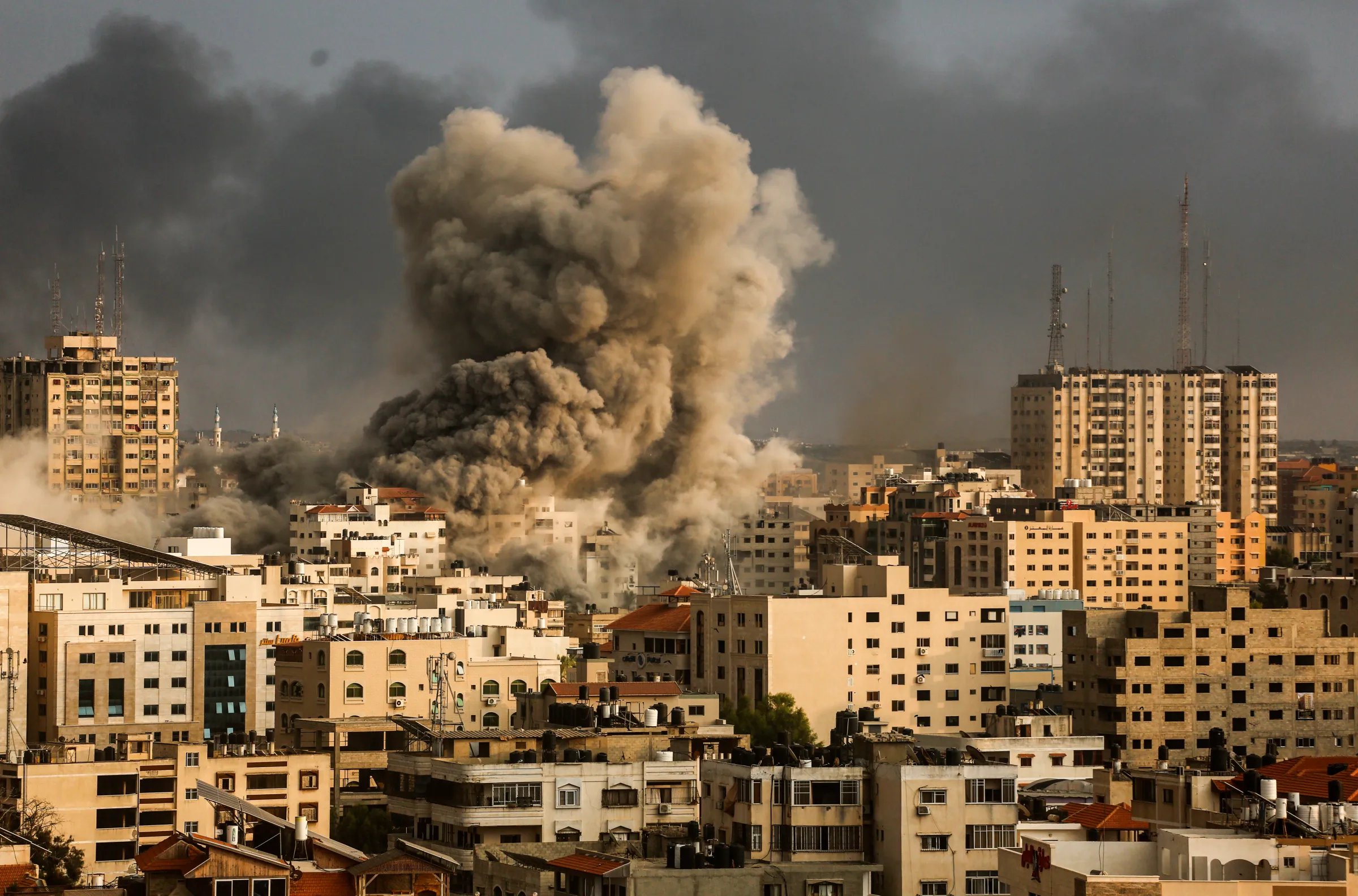
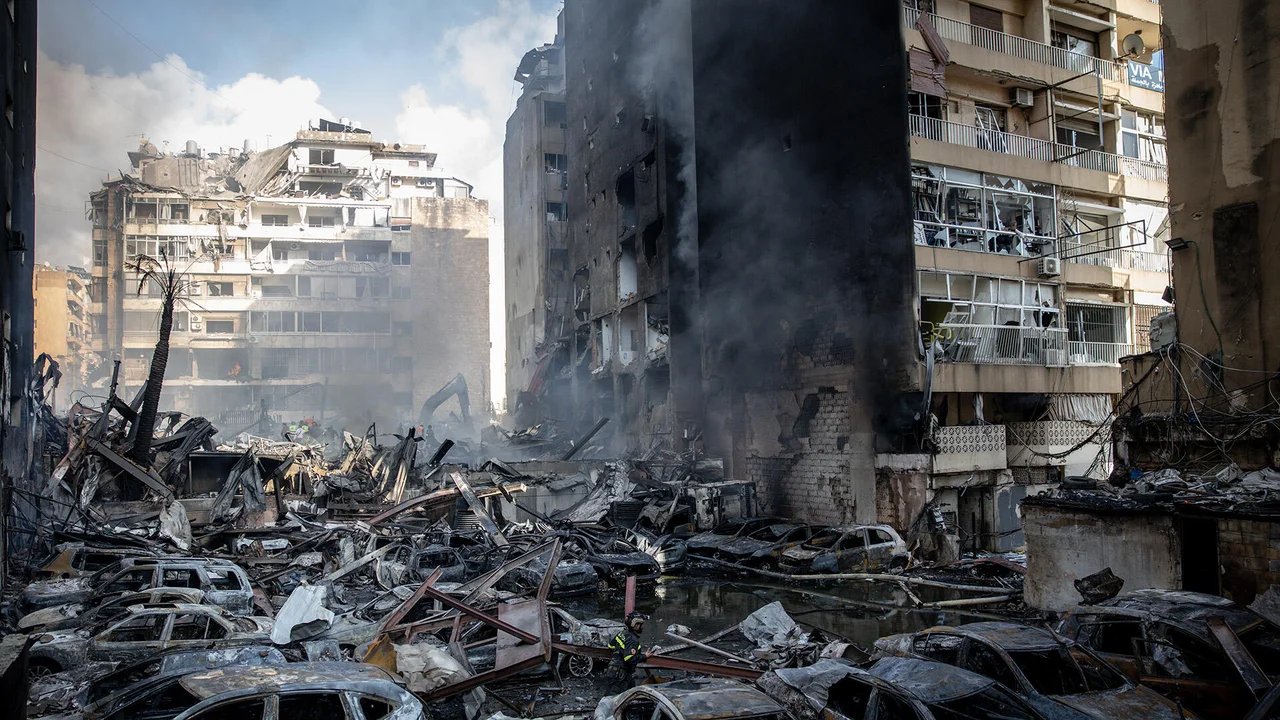
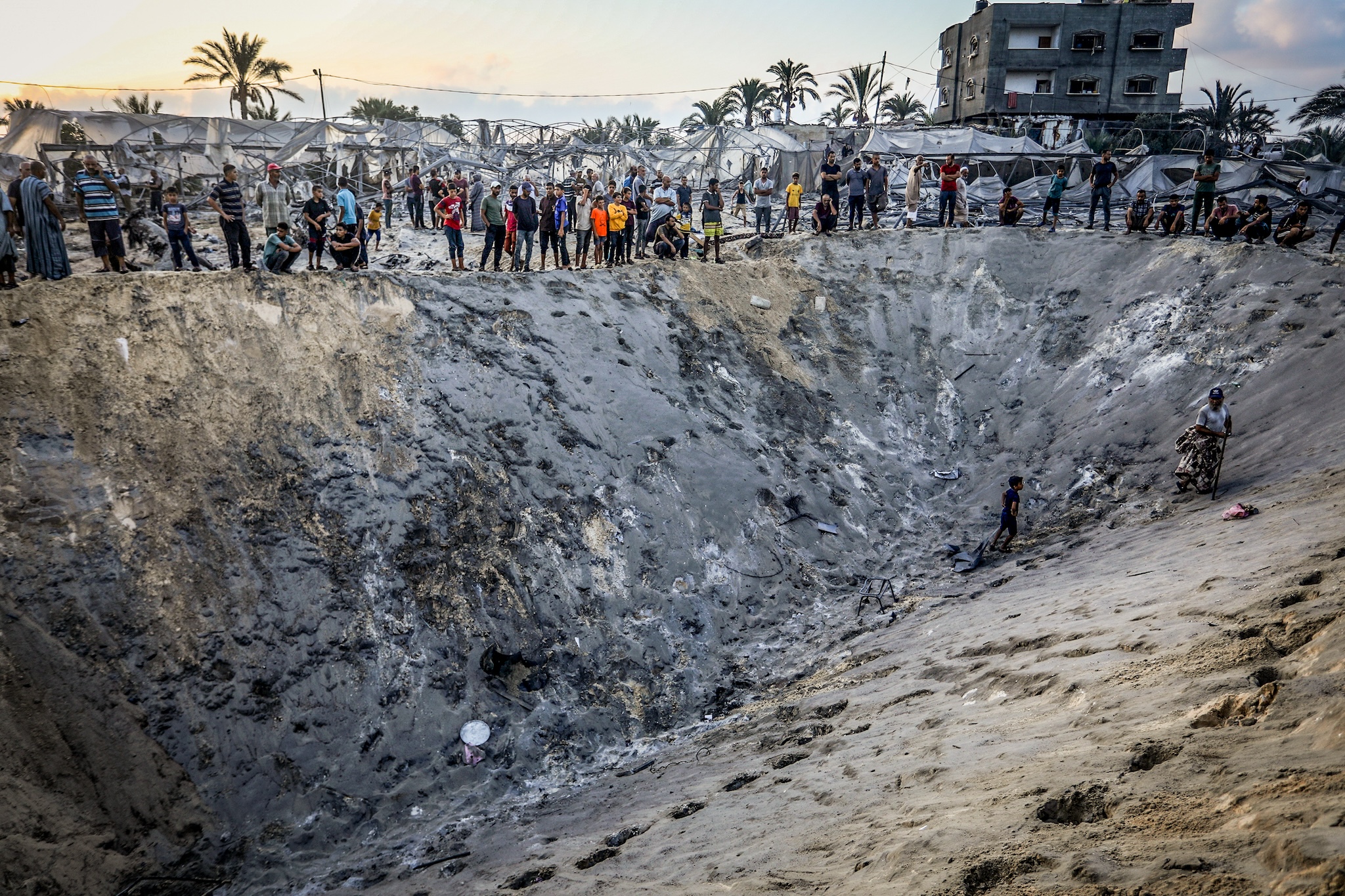
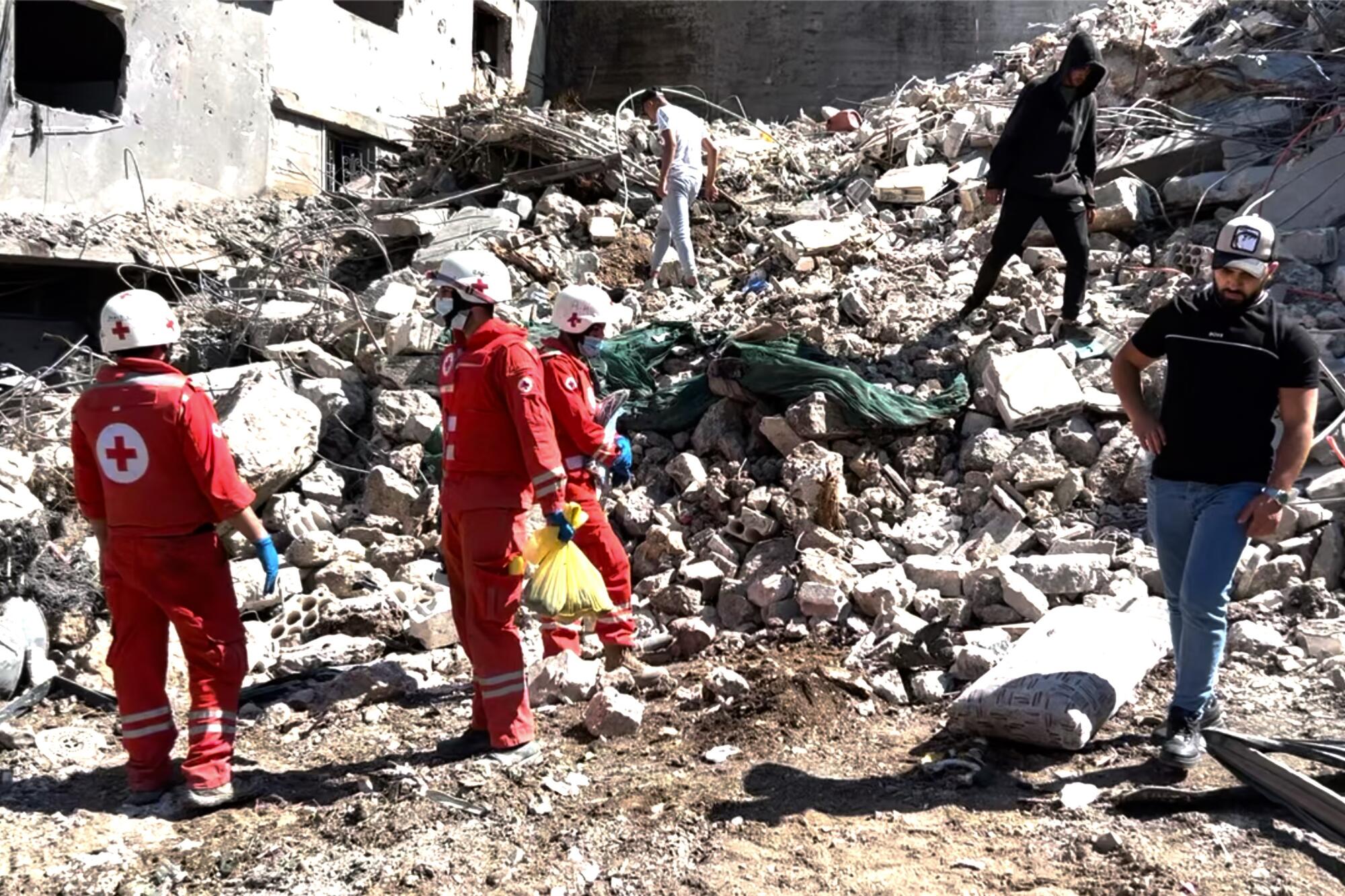
According to authorities, more than 3,300 Iranians, including 383 children, have been killed since the U.S. and Israel launched their war. The International Monetary Fund warned that a further escalation could trigger a global recession. IMF head Kristalina Georgieva said the crisis would remain a threat to the global economy even if it ended overnight.
The American Enterprise Institute estimates that the total cost to the average U.S. household, including higher oil prices, is equivalent to $410. The Century Foundation argues these economic costs are particularly difficult for voters to accept given the conflict's strategic justification. UK households will be an estimated £480 a year poorer. The World Food Programme warned that 45 million more people, primarily in Asia and Africa, could fall into acute food insecurity.
Aviation and Tourism Industries Hemorrhage Revenue
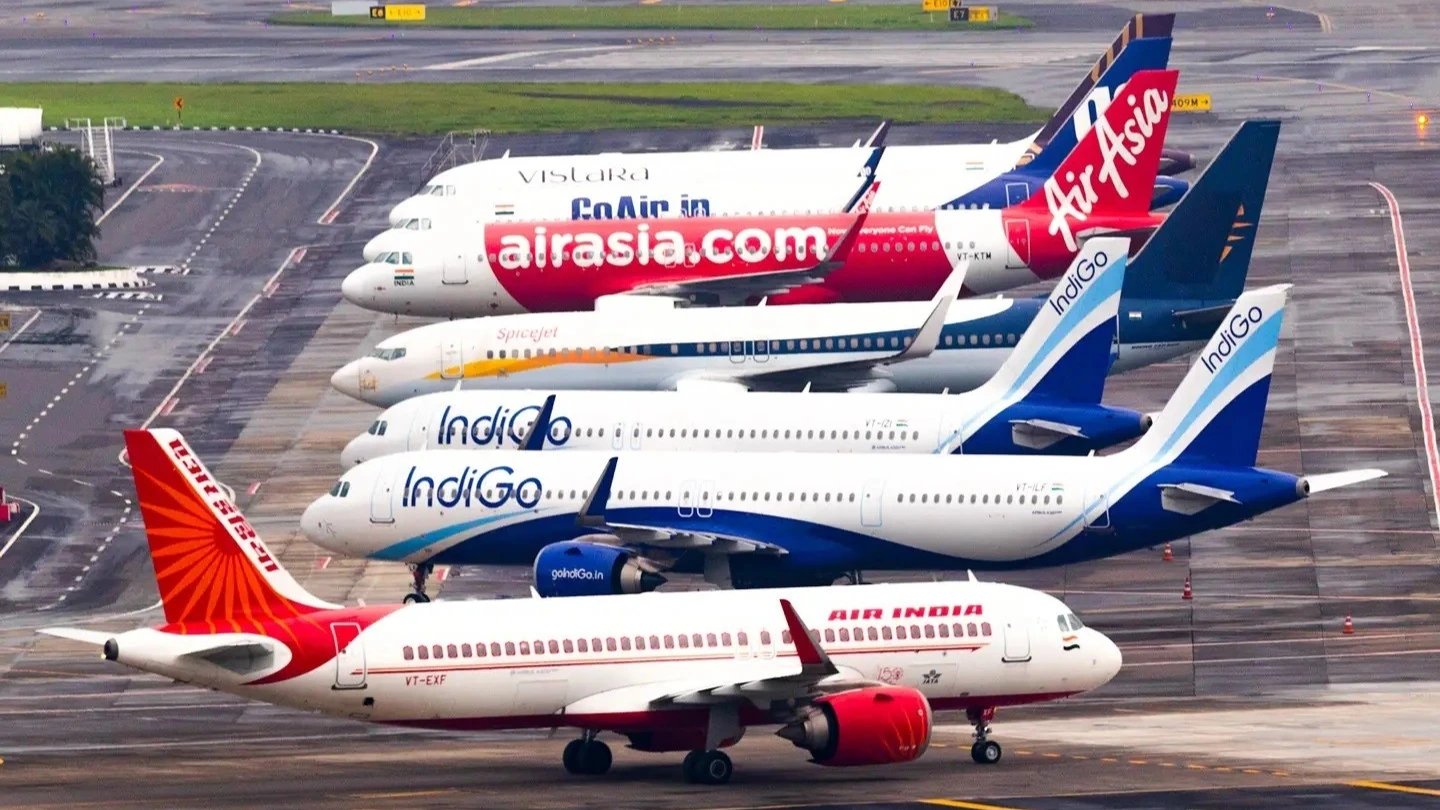
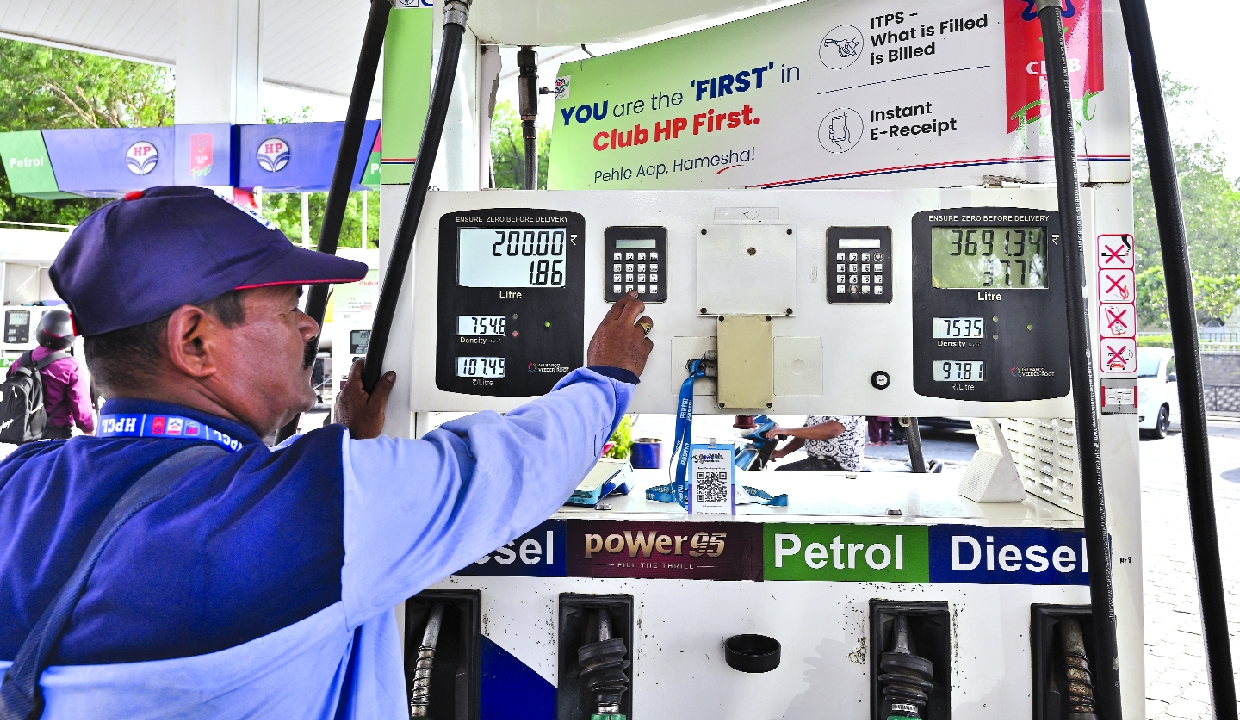
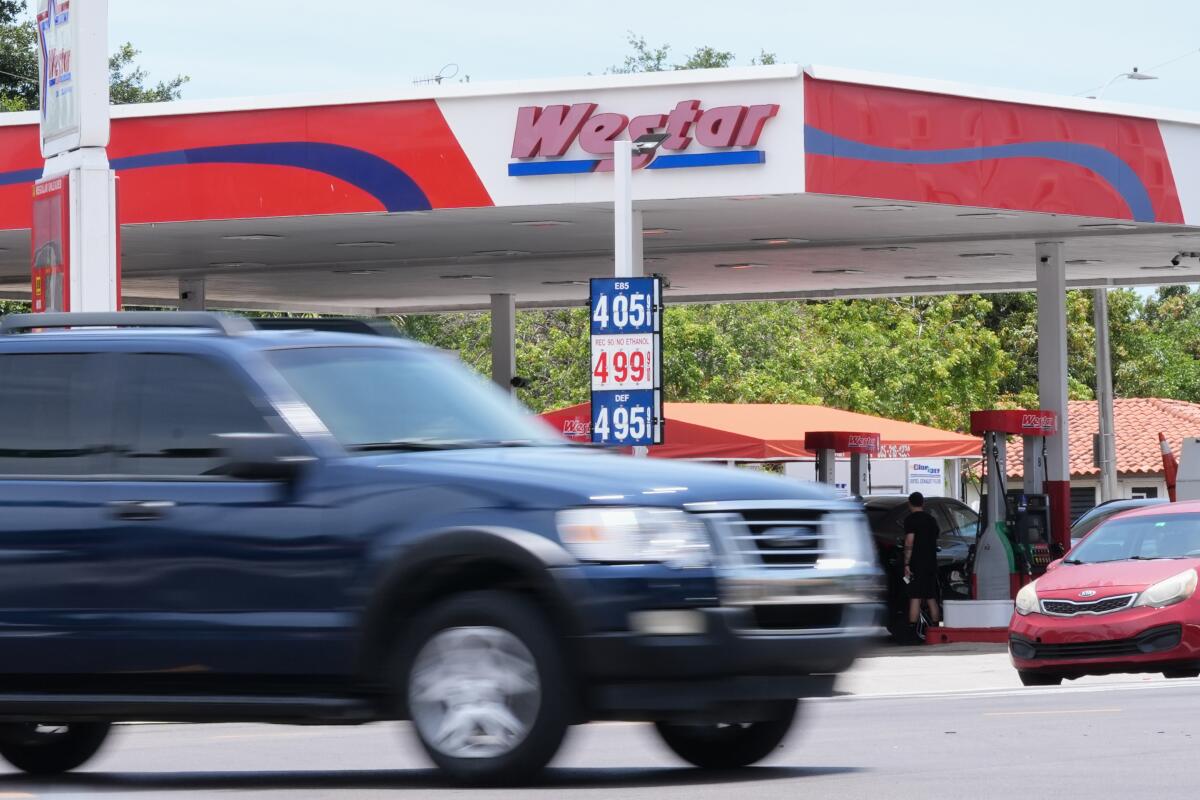
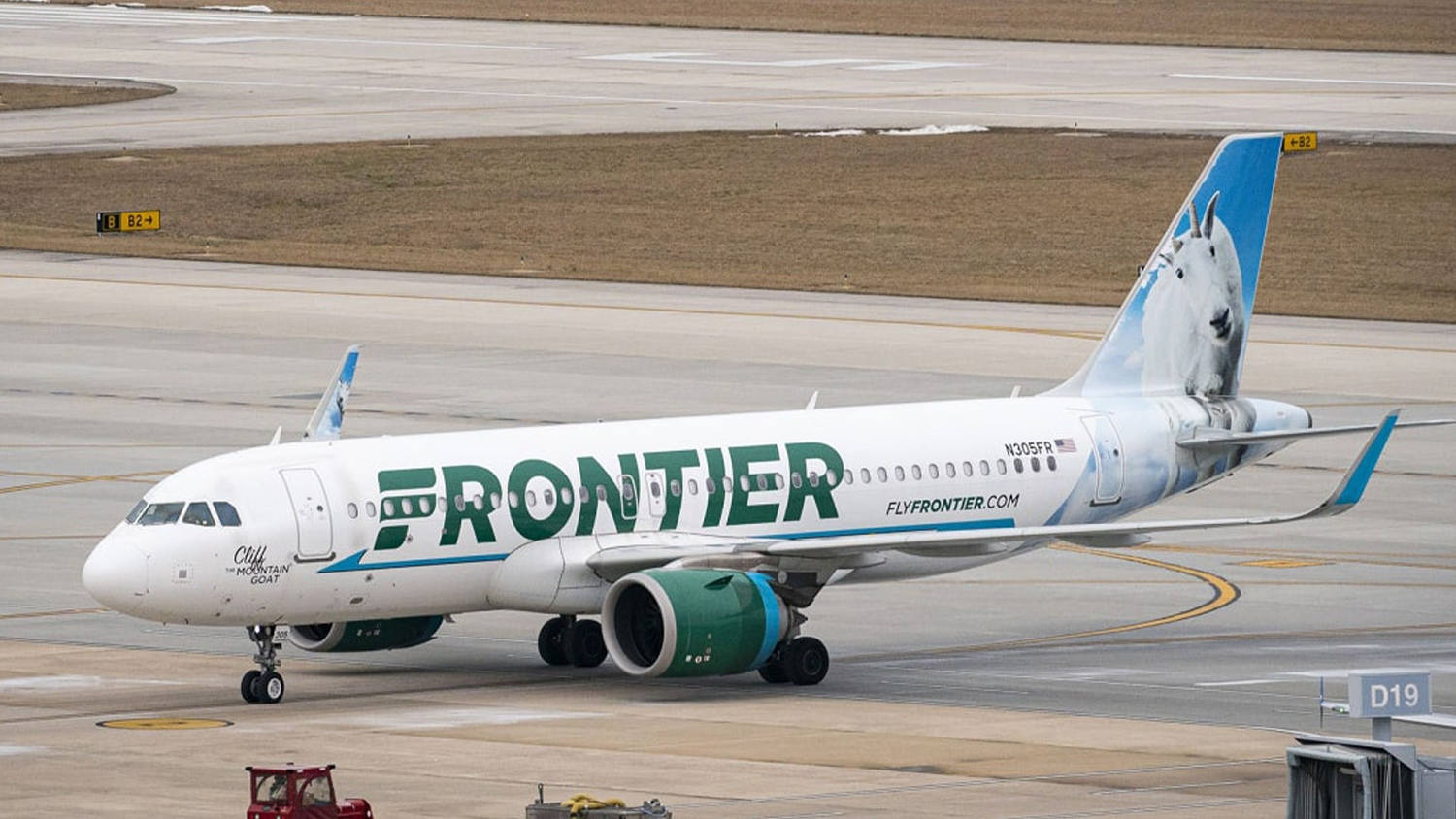
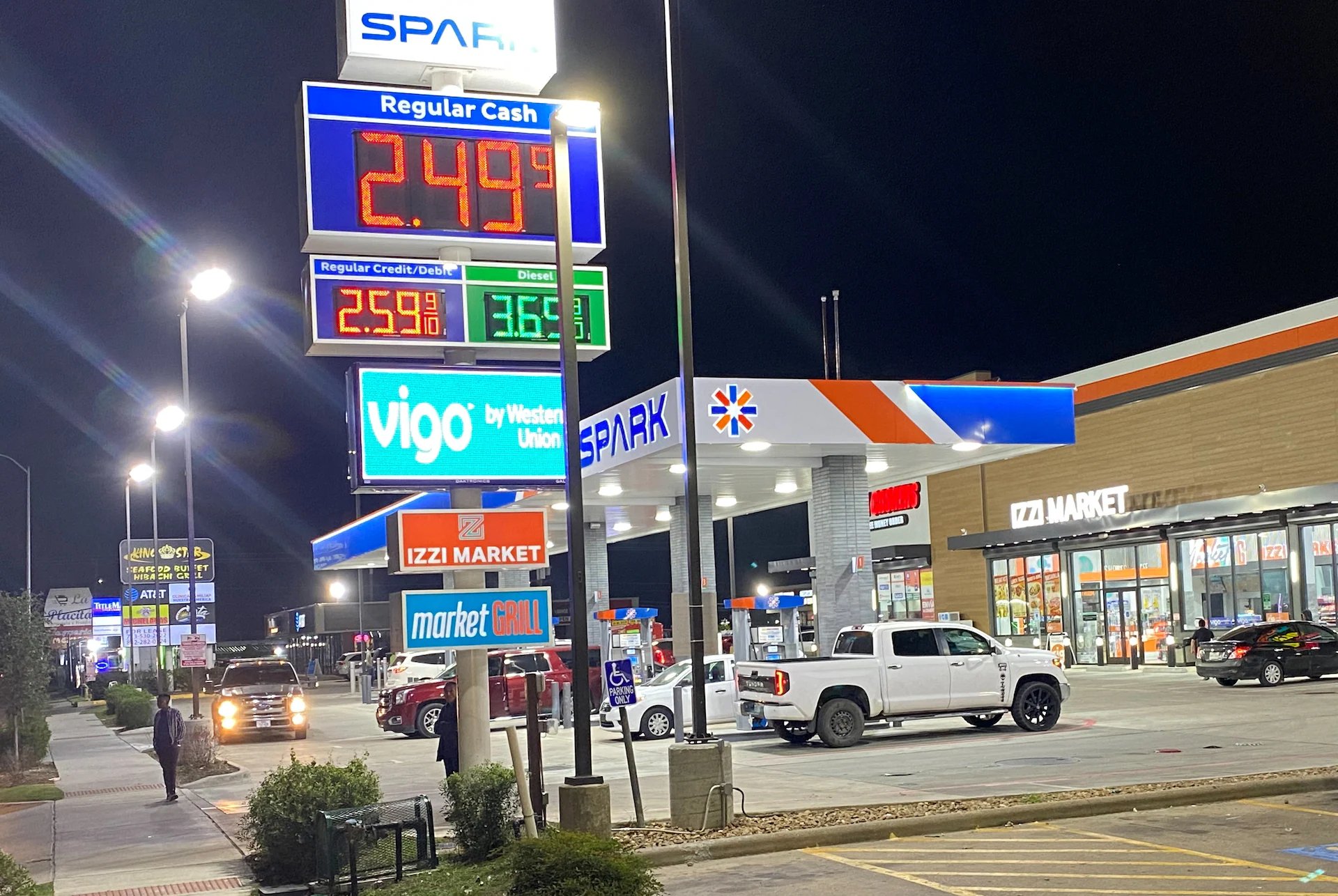
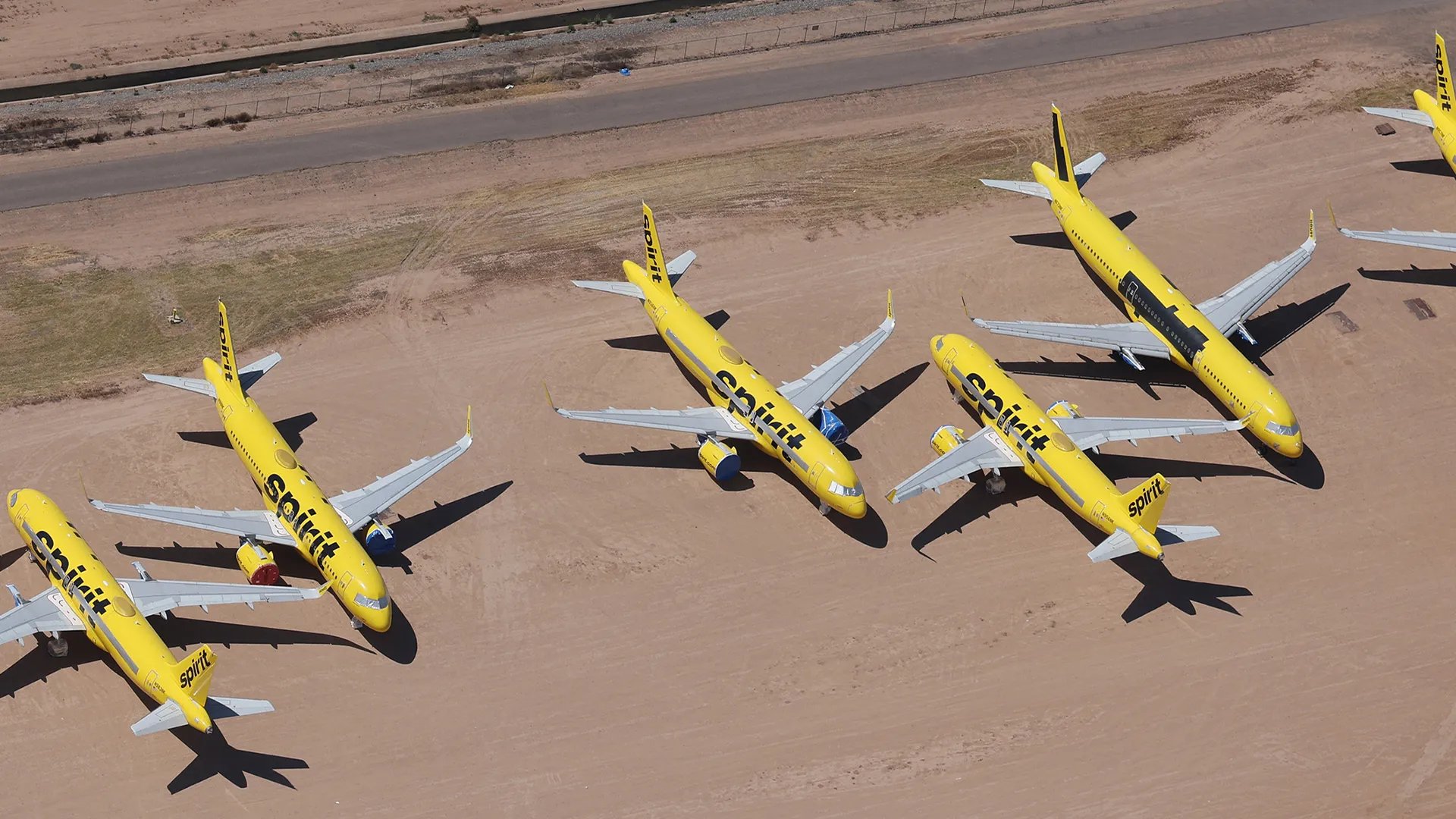
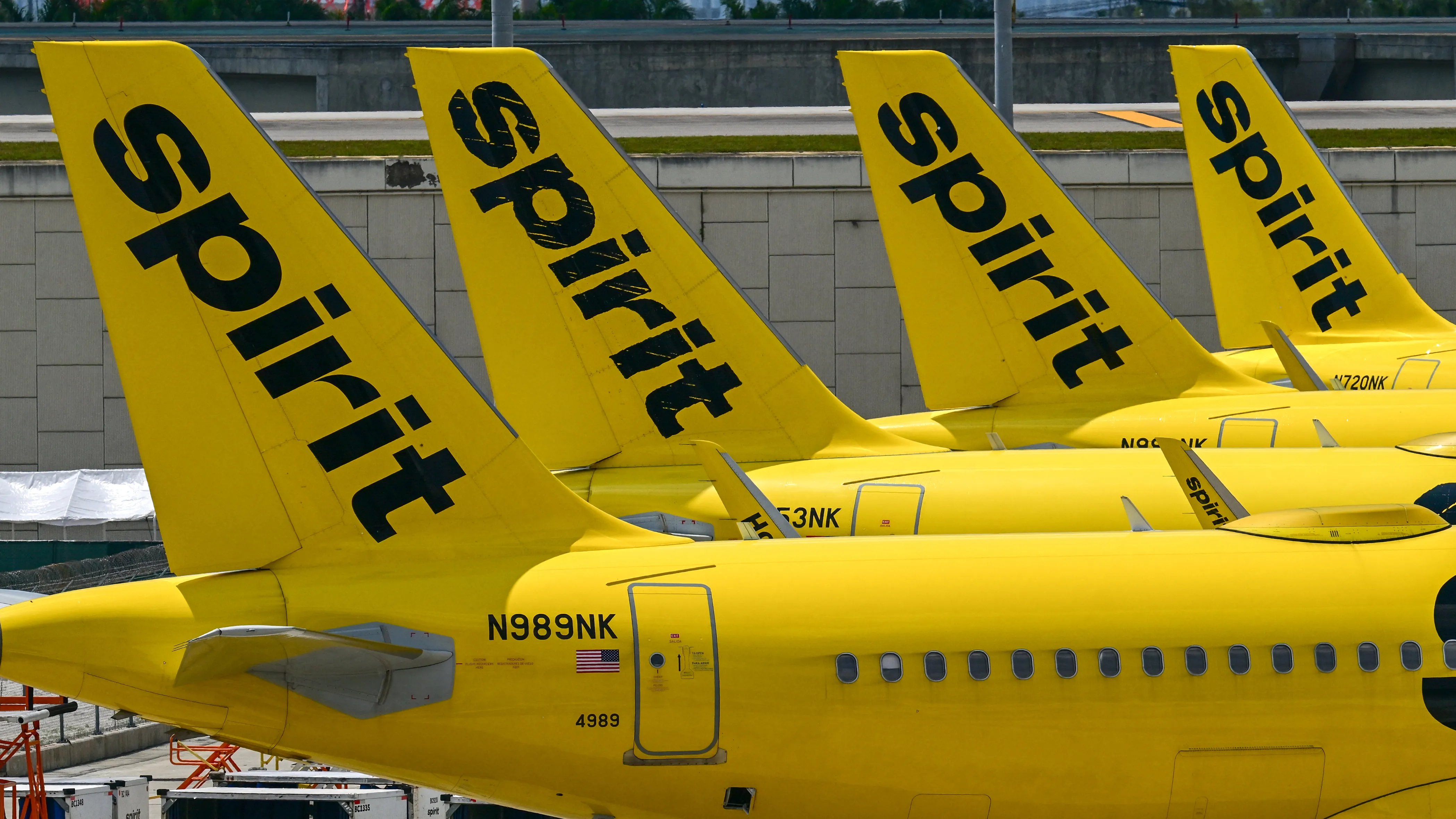
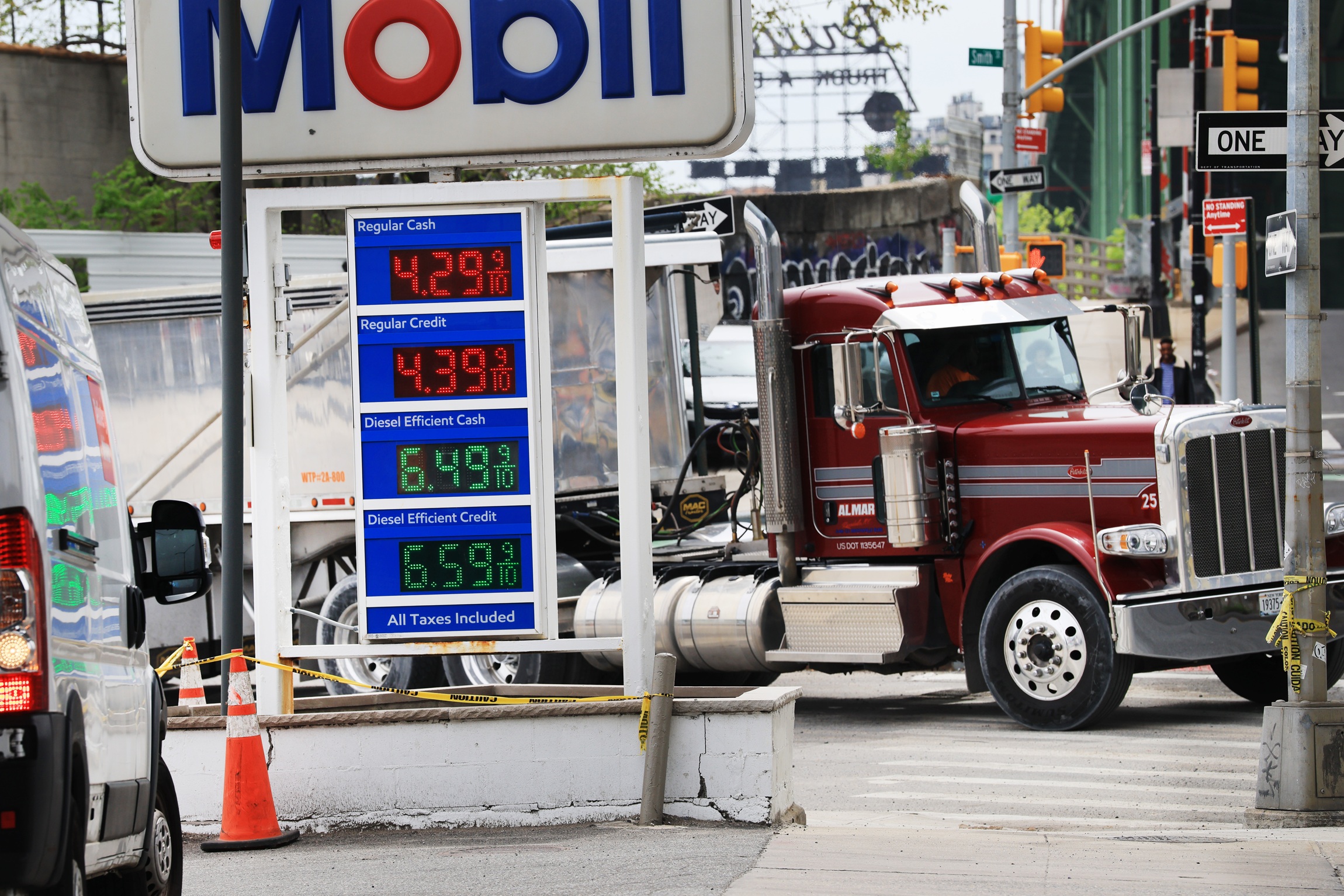
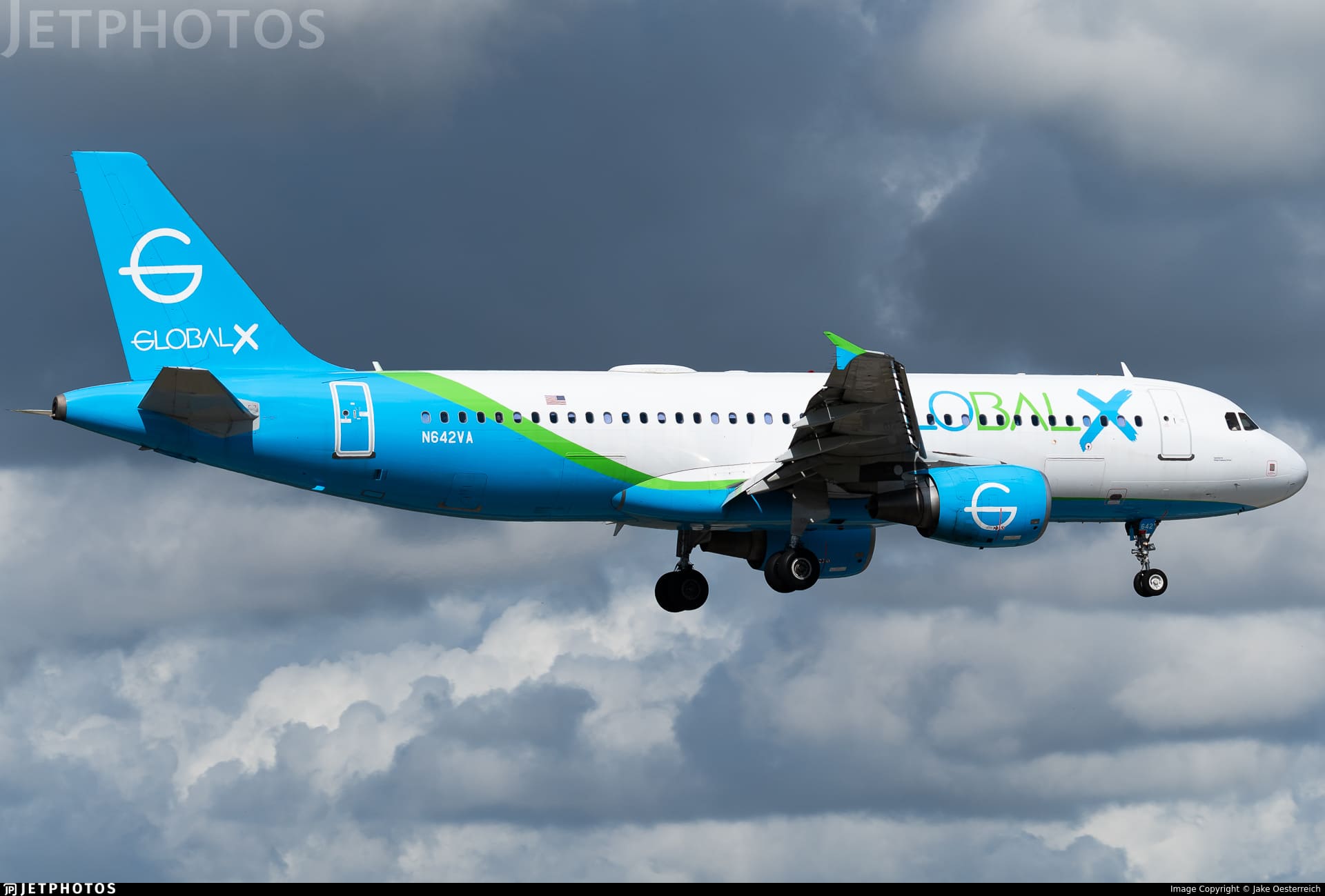
Ethiopian Airlines is among the hardest hit, losing about $137 million each week as a direct result of the crisis. The airline cancelled more than 100 flights a week, with some destinations previously operating up to three flights daily. Jet fuel prices have doubled in some markets, leading to supply shortages. Brent crude oil was trading at close to $98 a barrel in early trading Wednesday, up more than 30% since the day the war started.
Dominick Andoh, managing partner of AviationGhana, told DW that spike in fuel prices has inevitably been passed on to passengers. "The prices of tickets have gone up," he said. "If you look at the fuel surcharge margins for almost the tickets that have been sold since the war broke out, especially in April, the fuel surcharges have gone up by various percentages."
Nigerian billionaire Aliko Dangote, owner of the Dangote refinery near Lagos, told an audience at the Semafor World Economy summit in Washington that the majority of African airlines will not be able to survive the current spike in fuel costs. In South Africa, tour operator Emraan Roode lost between 350,000 and 500,000 rands ($21,000 to $30,000) over the past few months due to the war, with many regular returning clients canceling plans due to uncertainty.
Supply Chains Face Months of Disruption
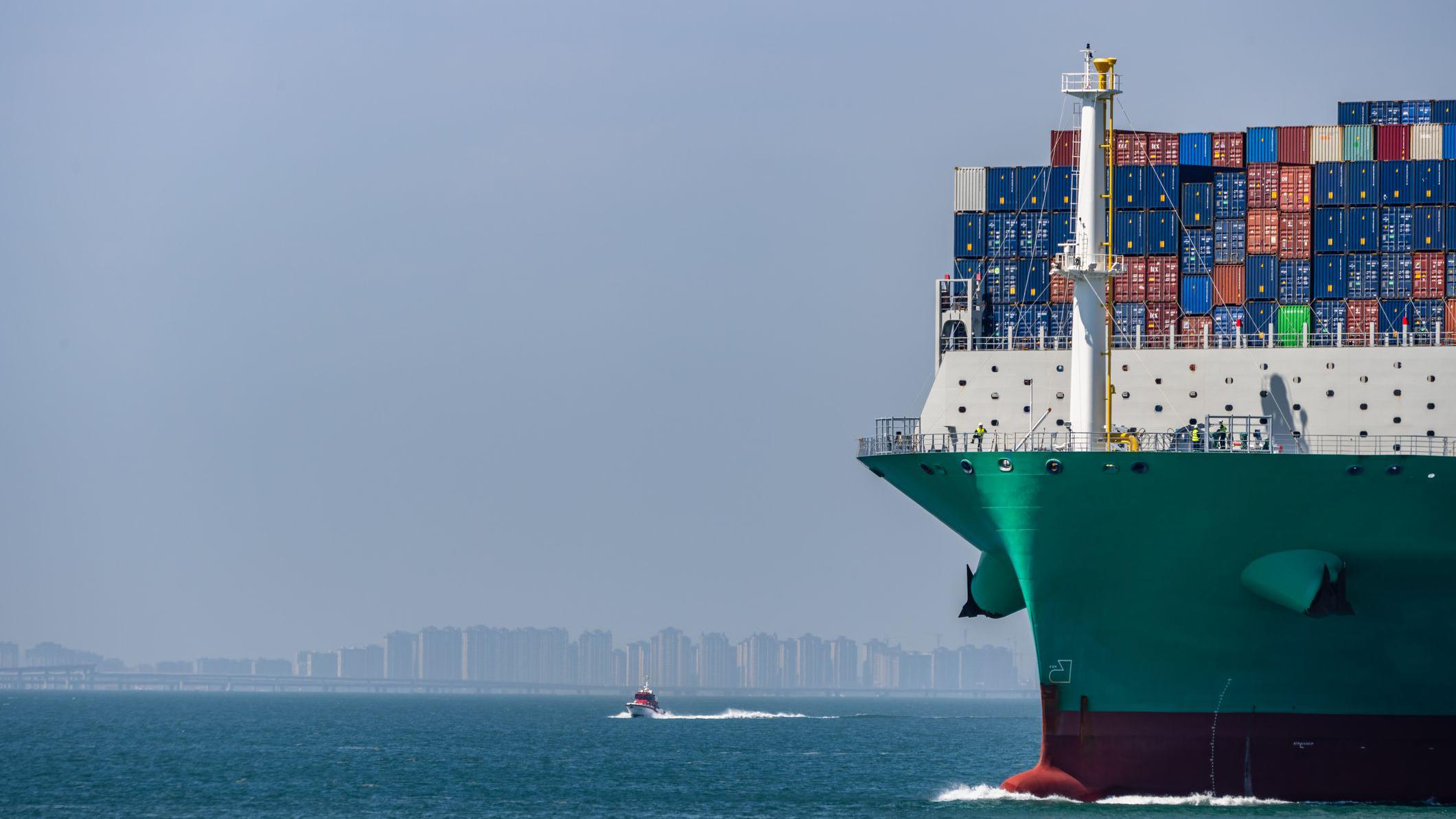
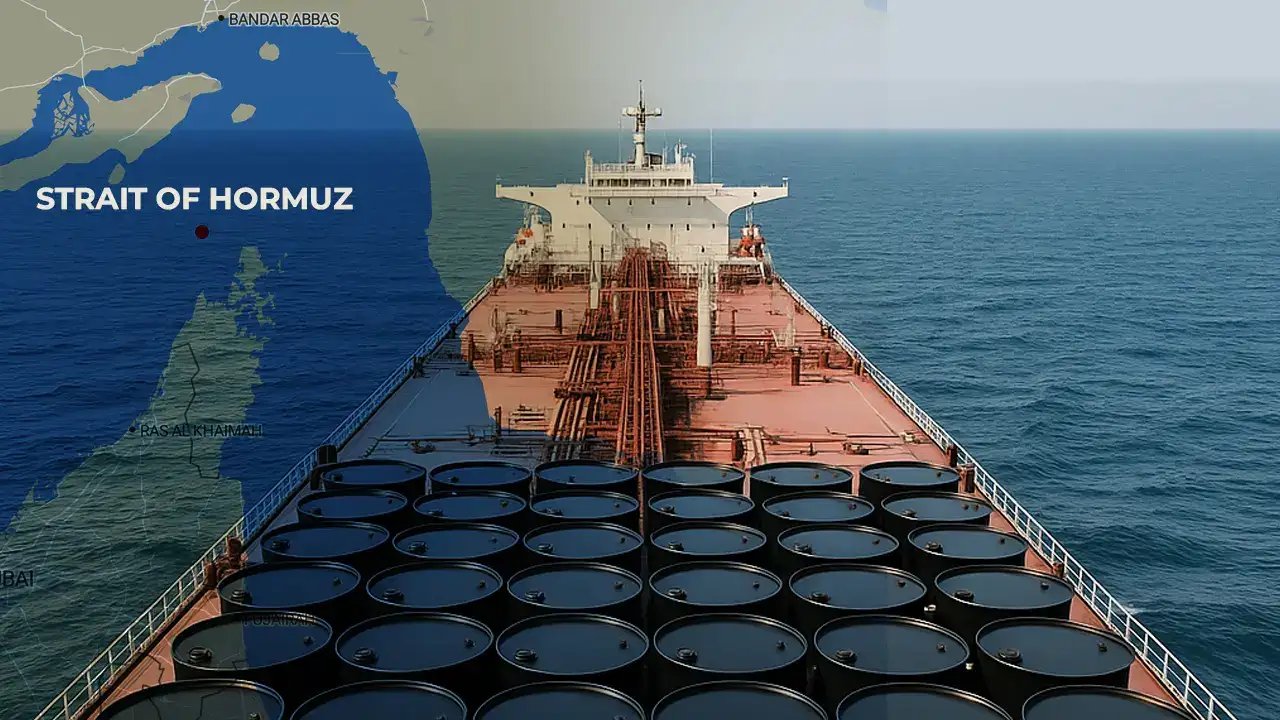
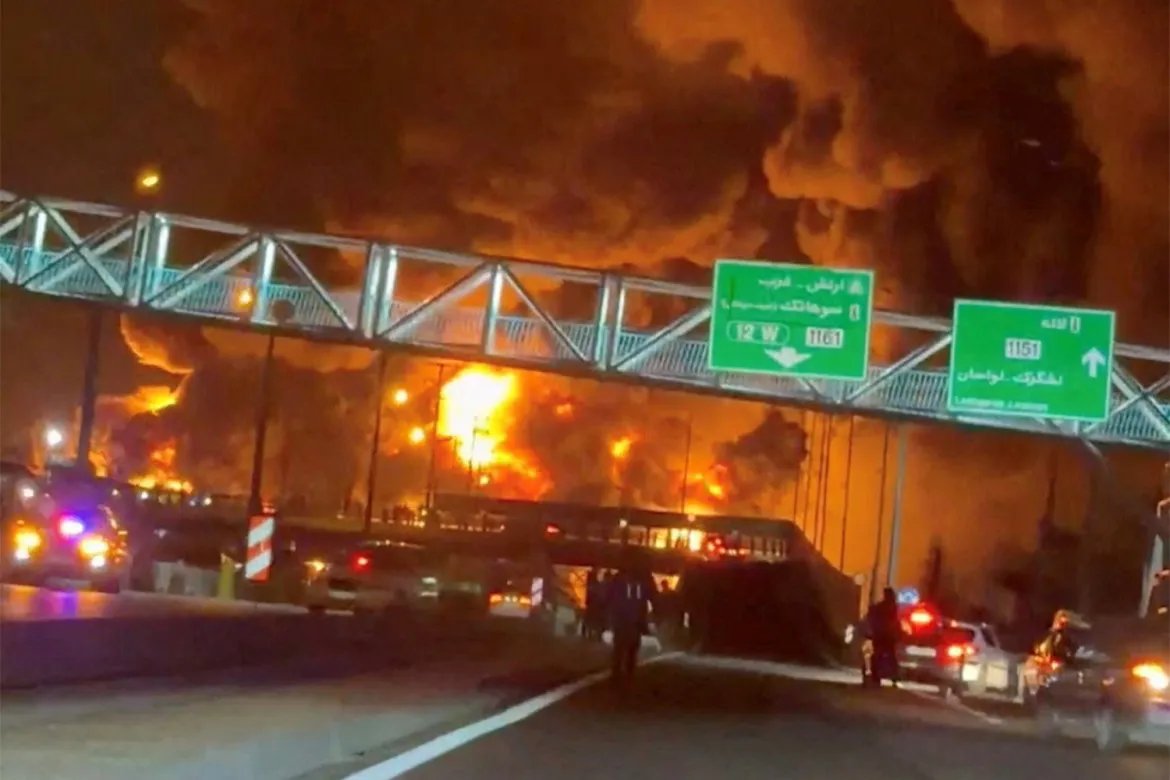
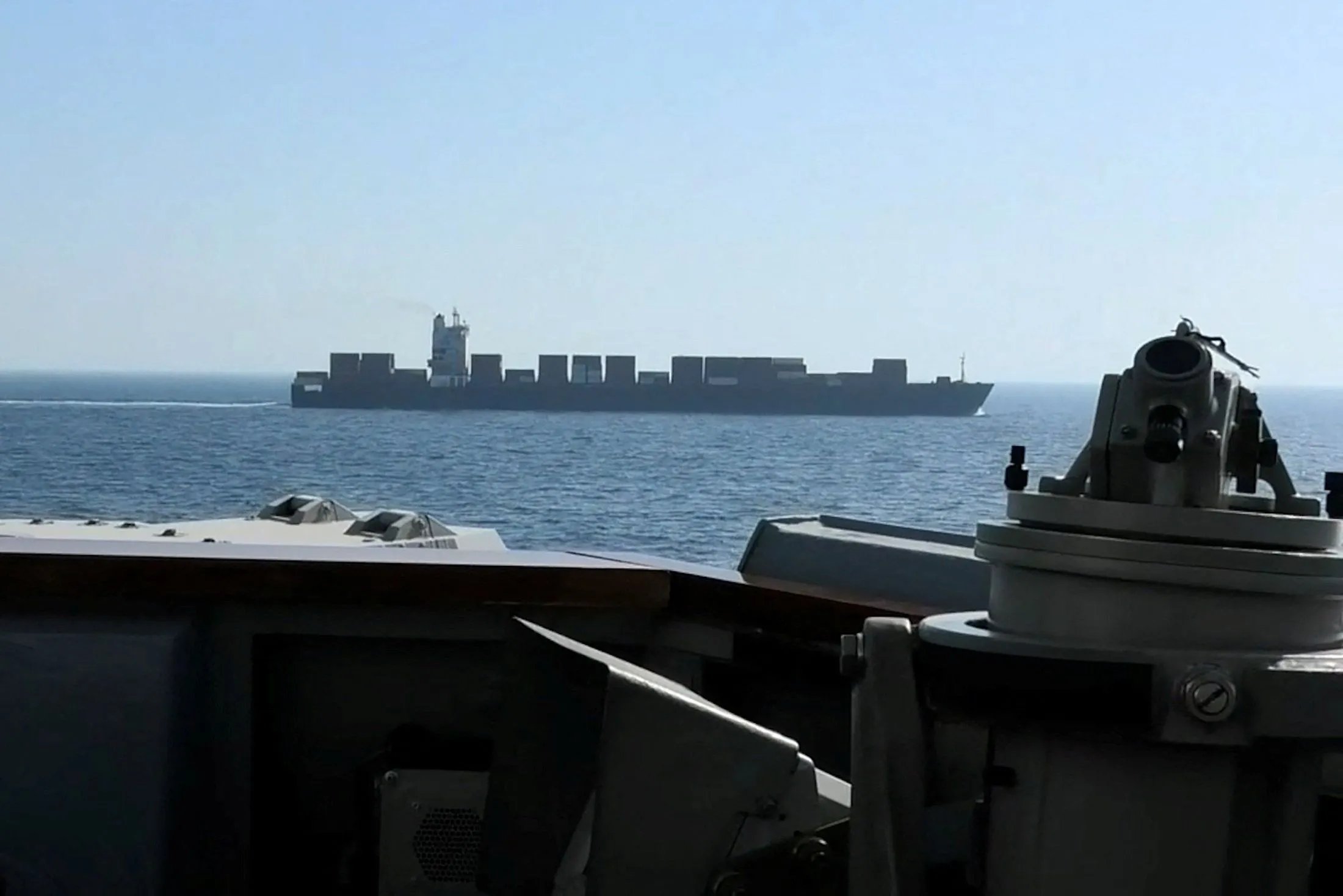
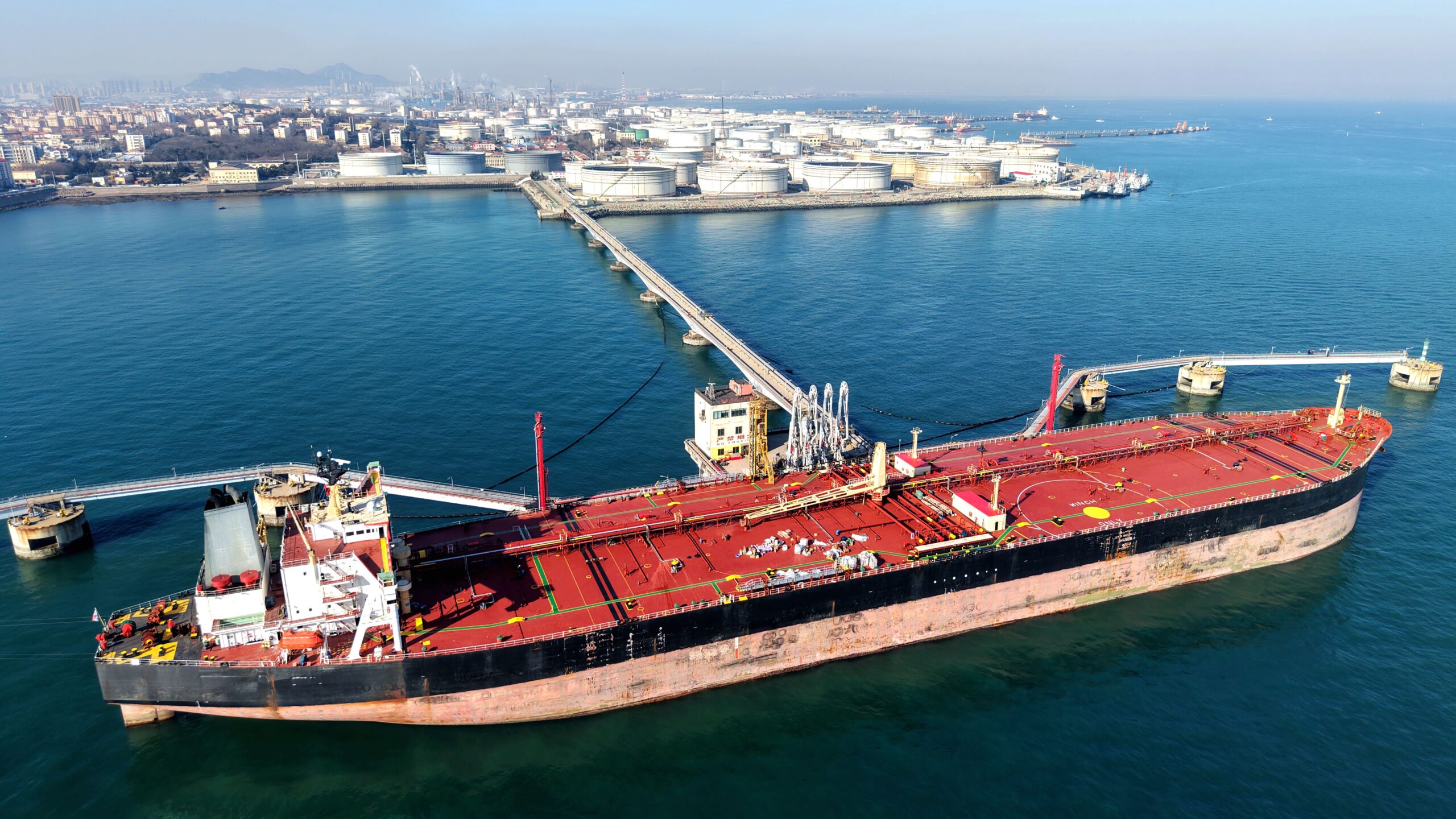
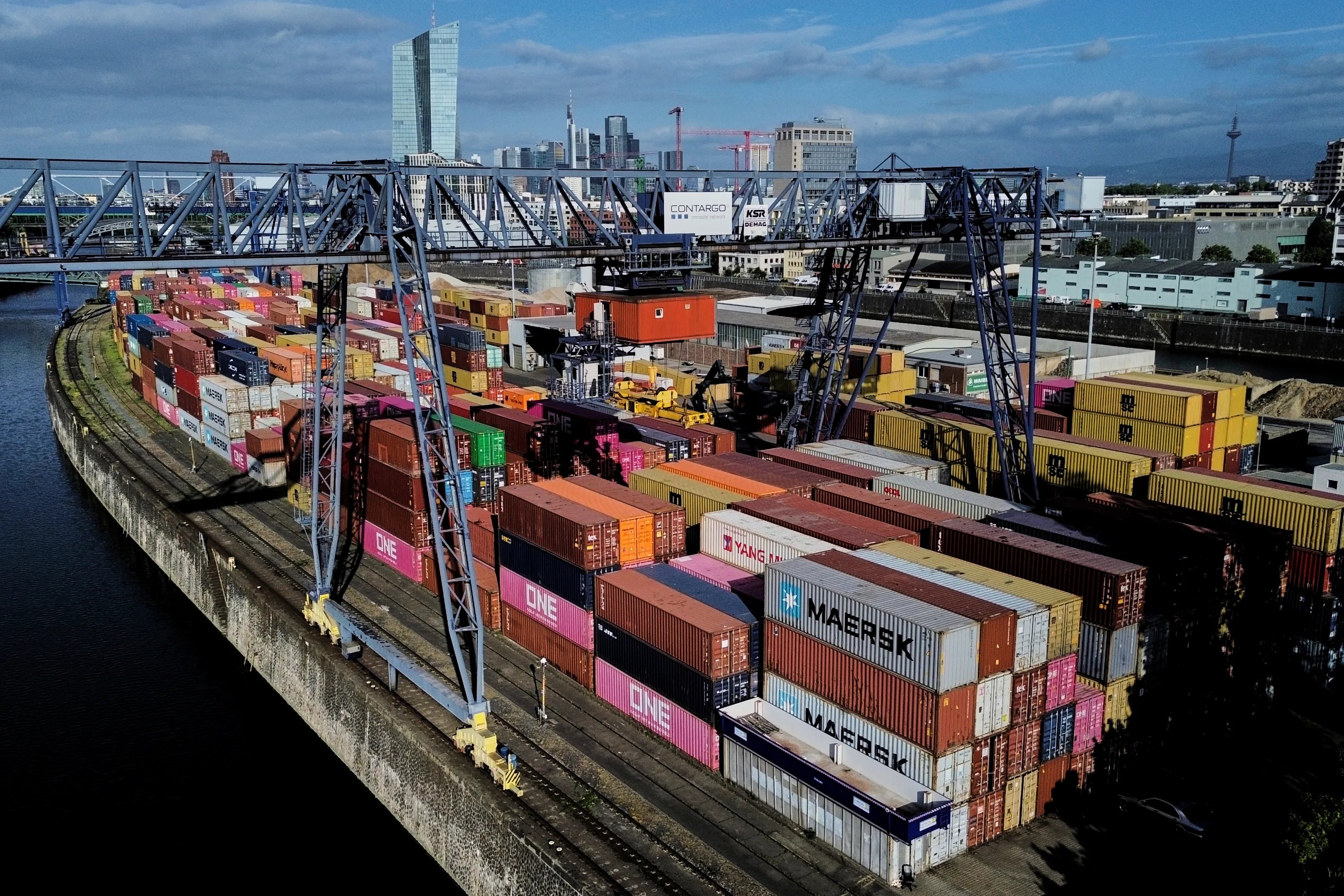
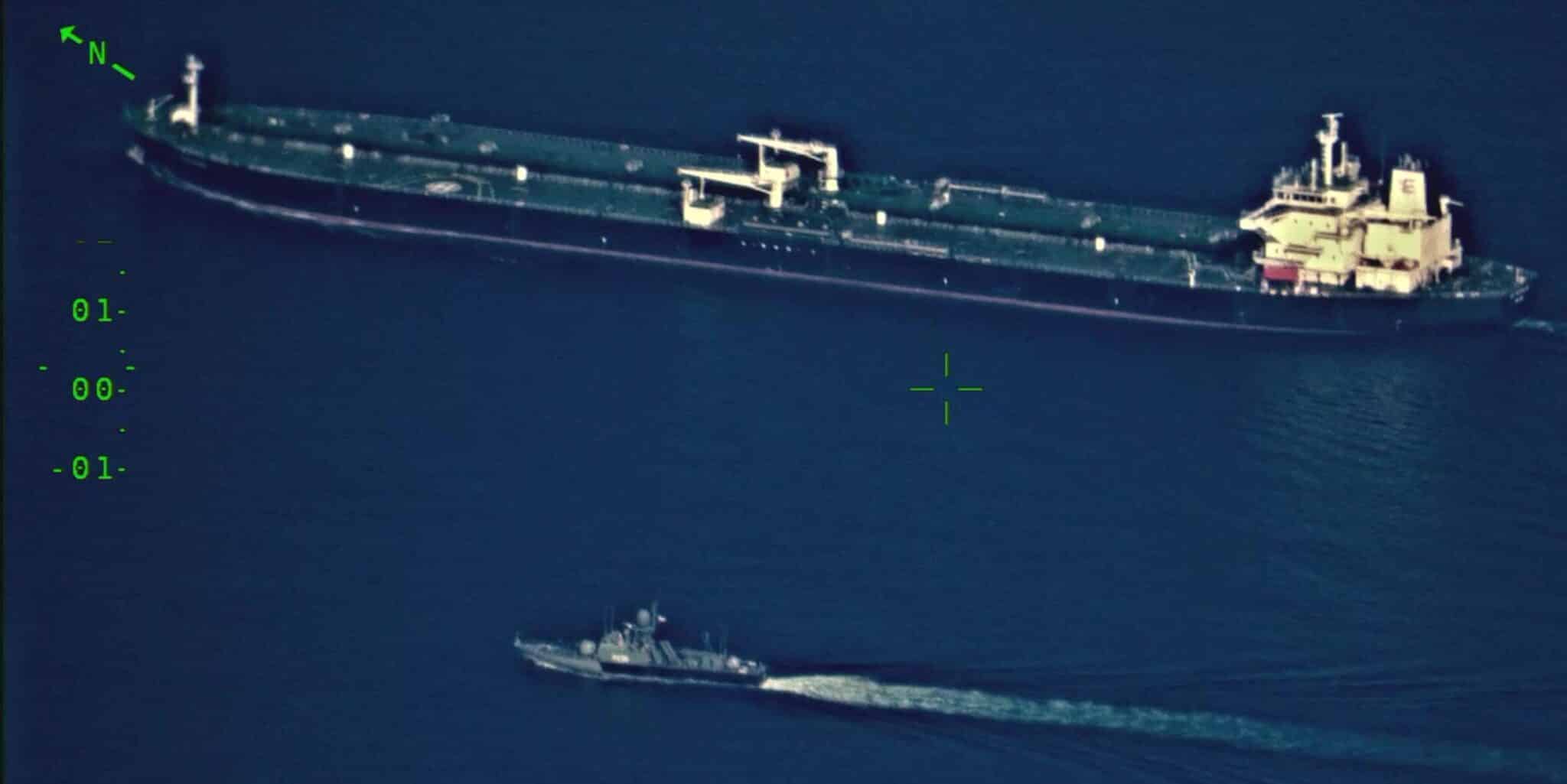
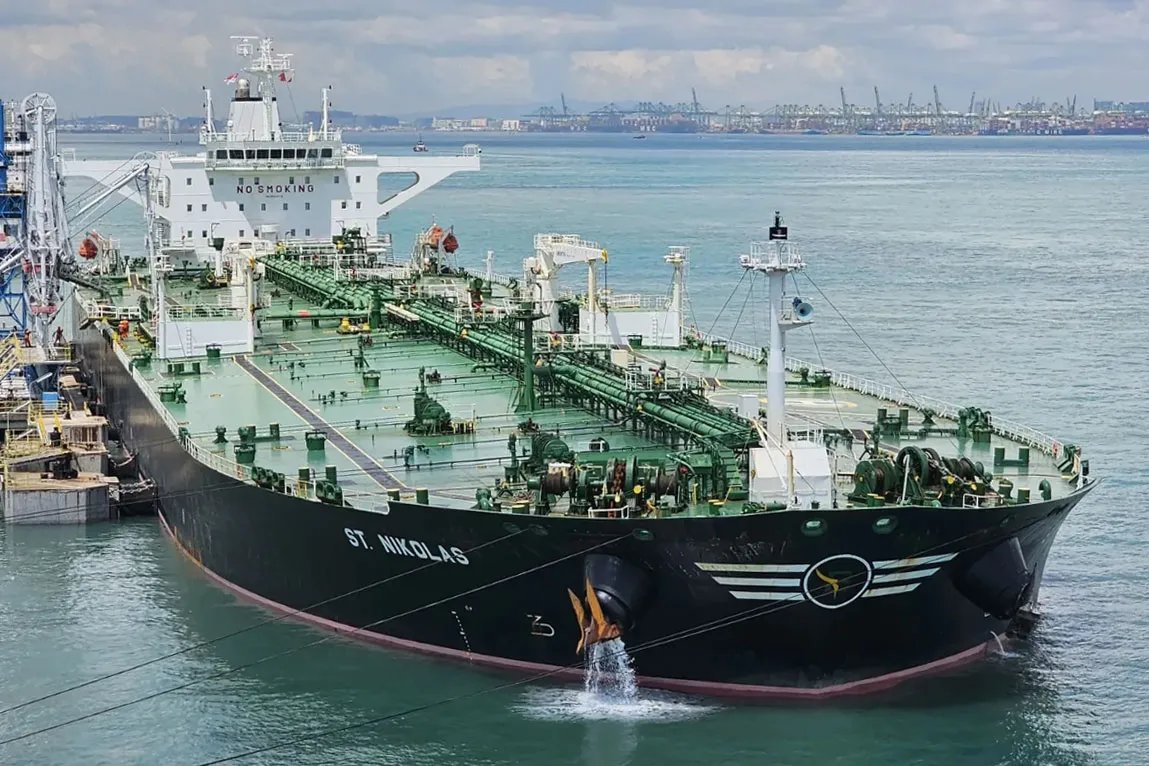
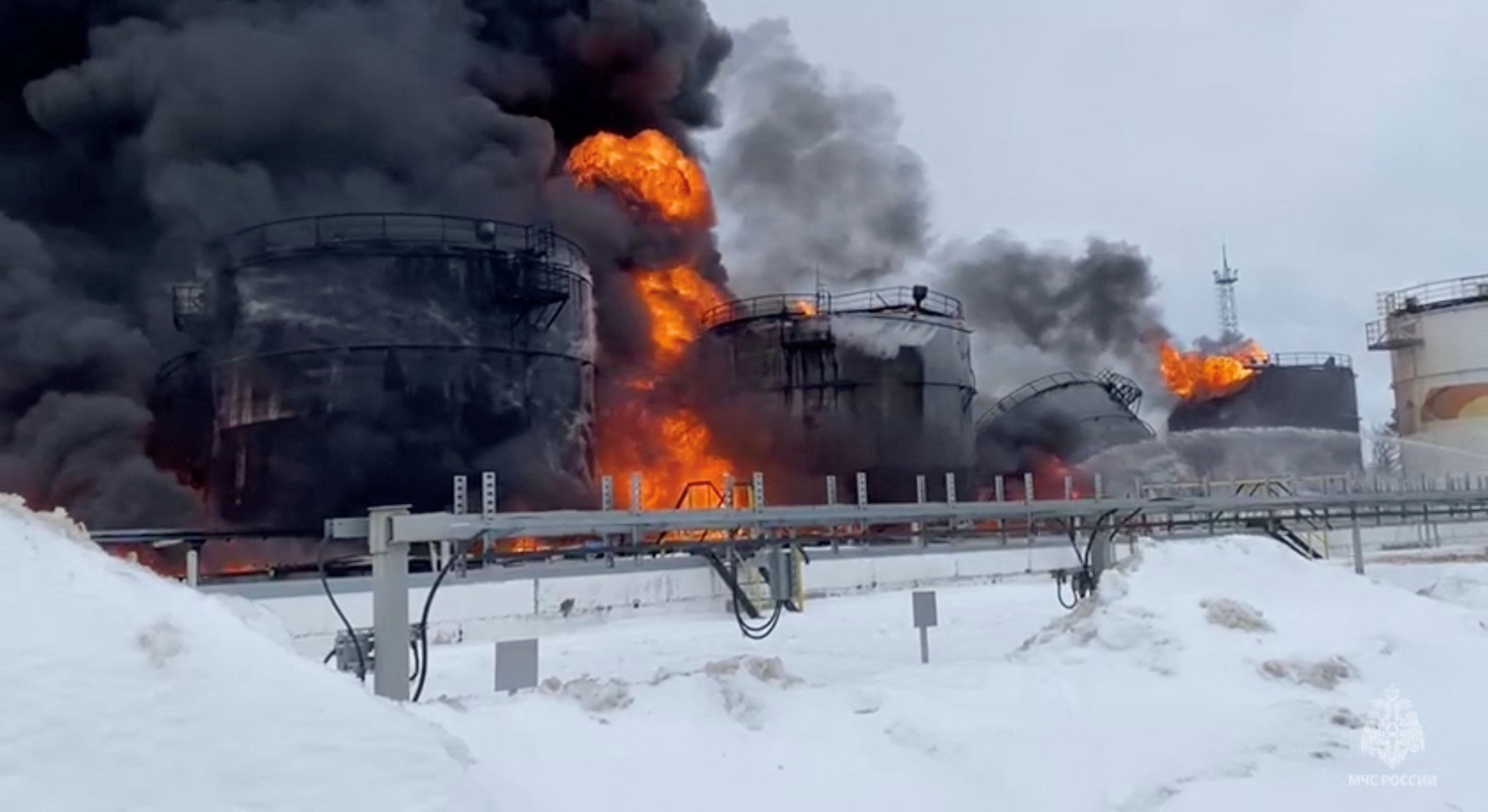
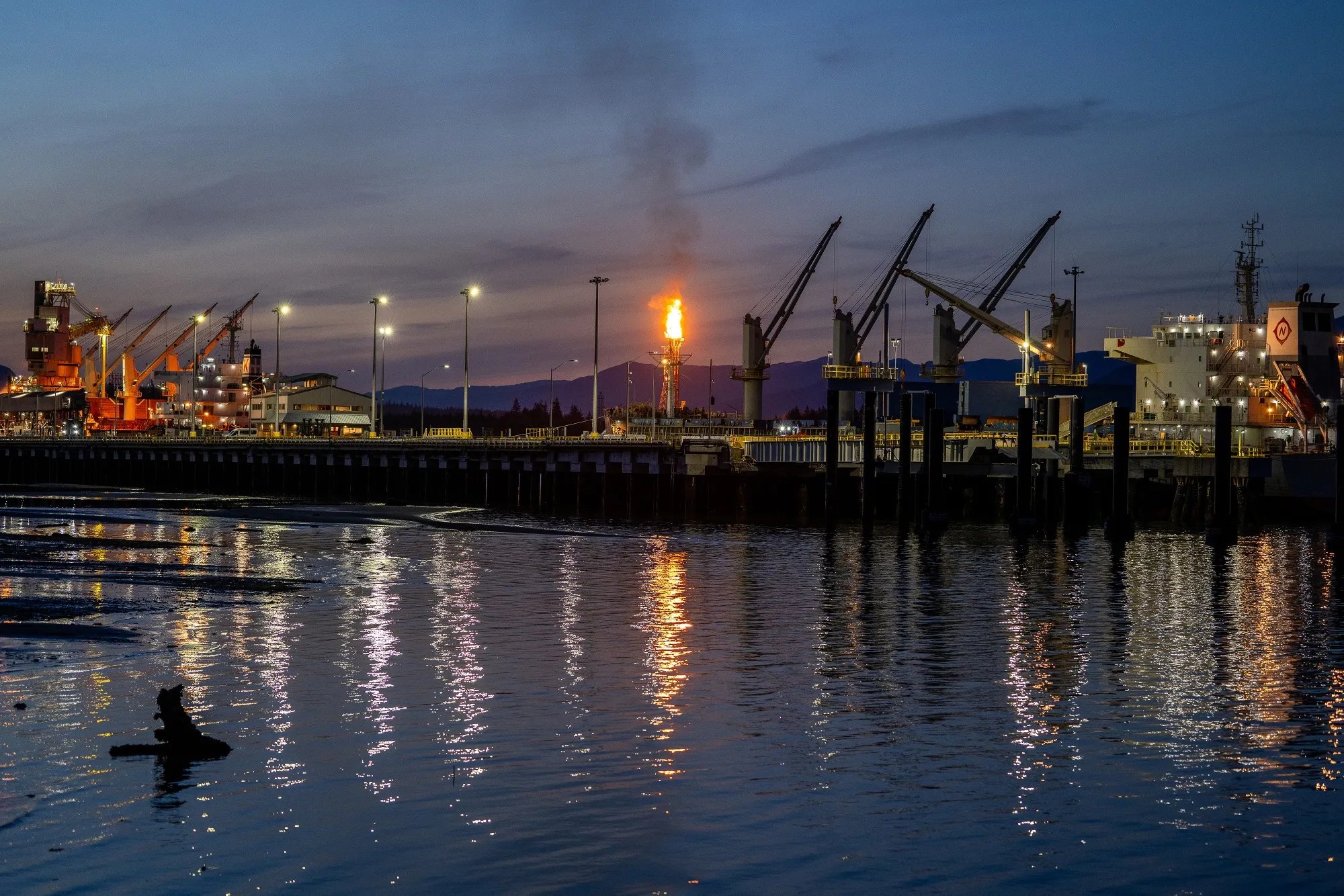
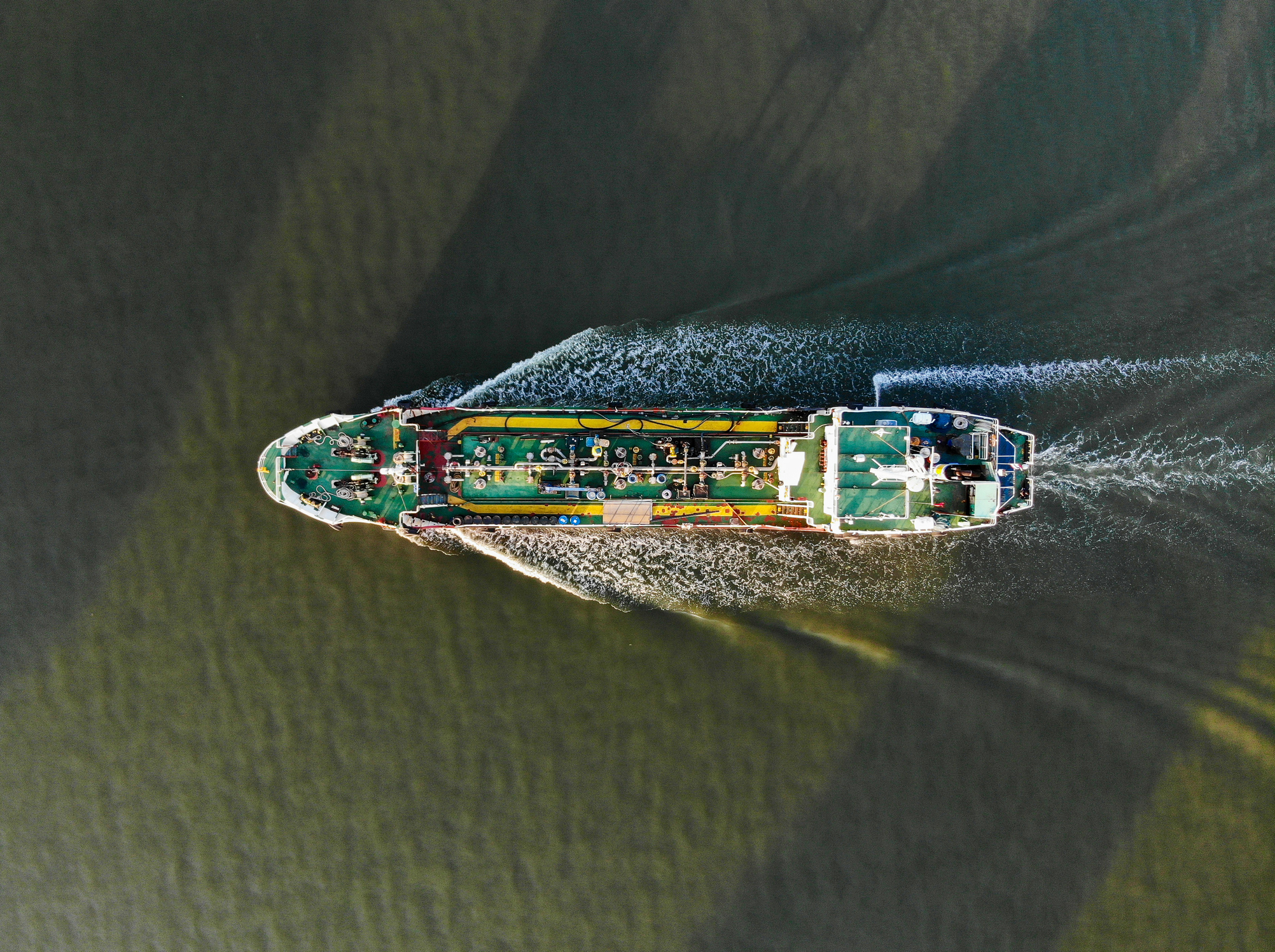
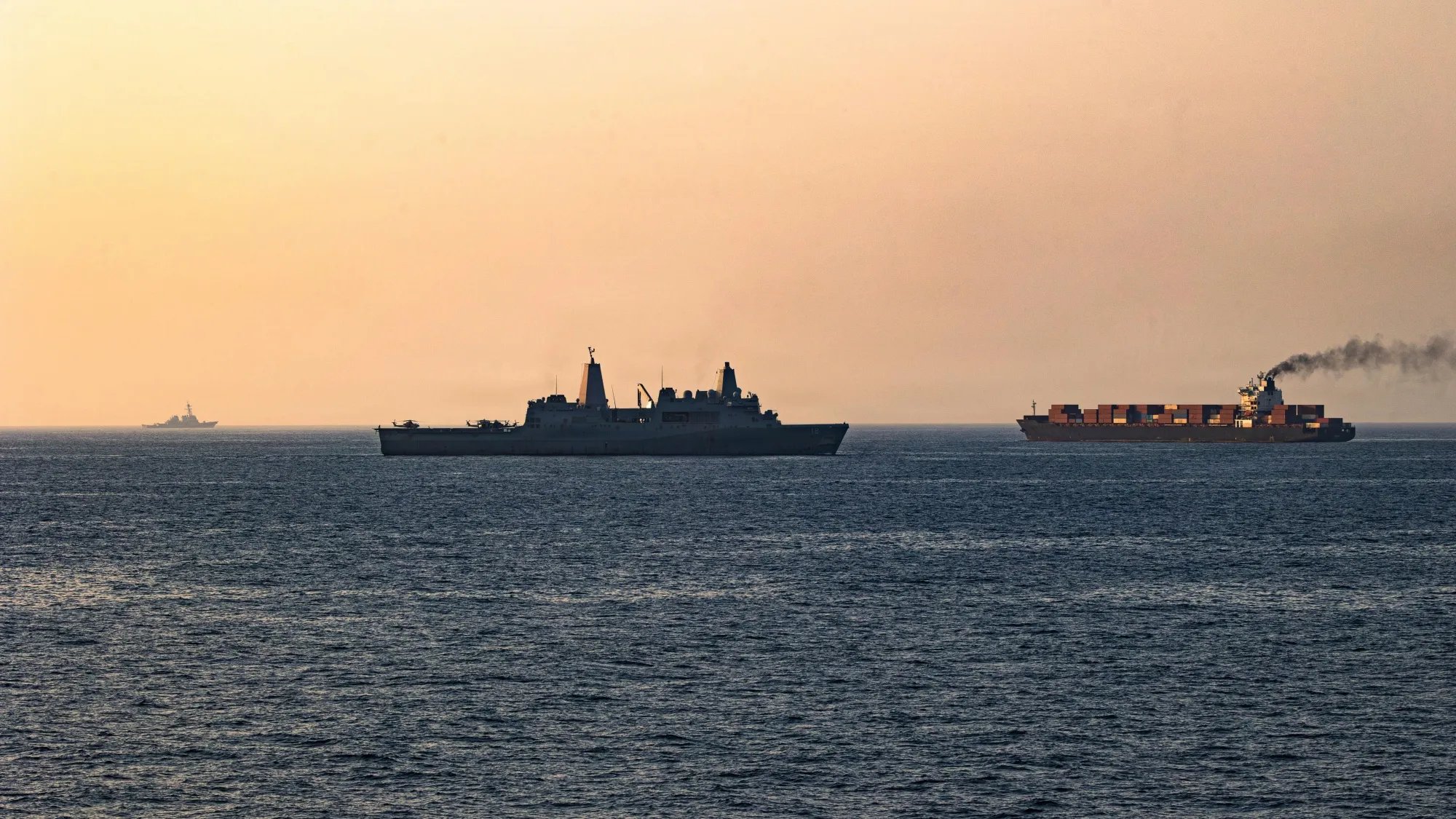
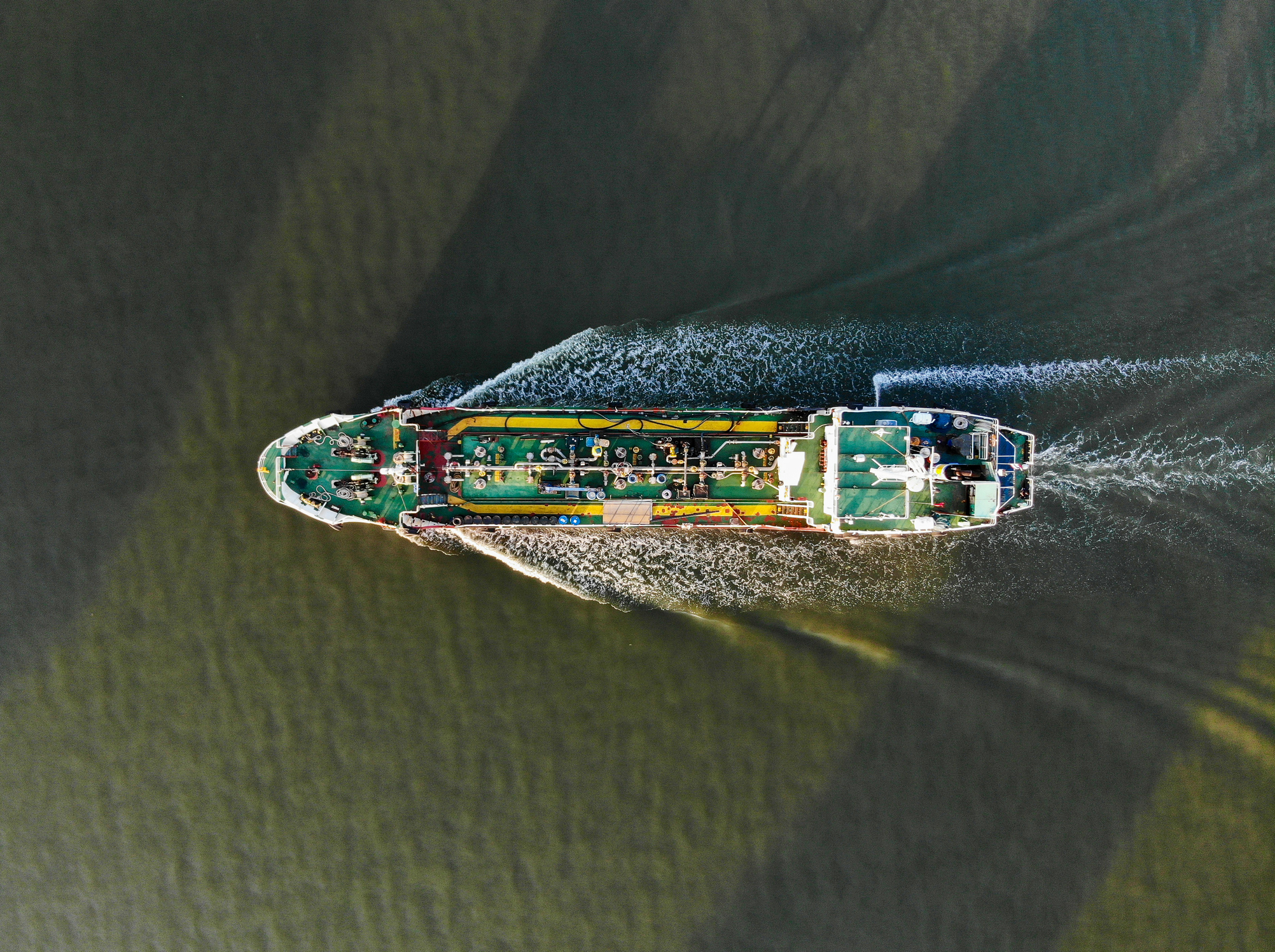
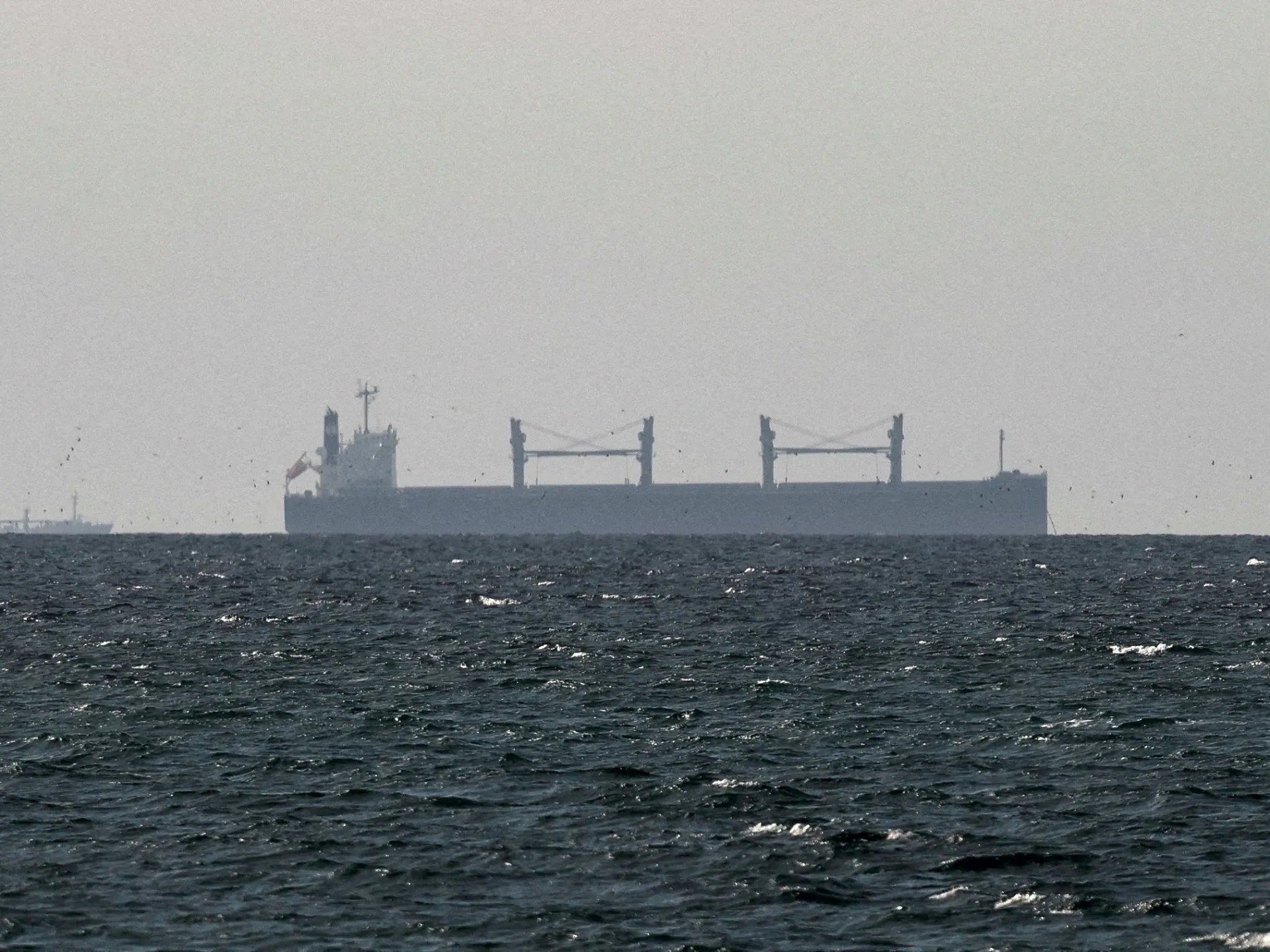
The International Energy Agency described the loss of roughly 10% of the world's oil supply and a fifth of global liquefied natural gas last month as the largest in the history of the global energy market. Tankers and gas carriers that once passed through the Strait of Hormuz now take a detour around South Africa's Cape of Good Hope, adding thousands of nautical miles and up to two weeks to many voyages. War-risk insurance premiums for vessels in the Middle East have surged, adding several million dollars to each transit.
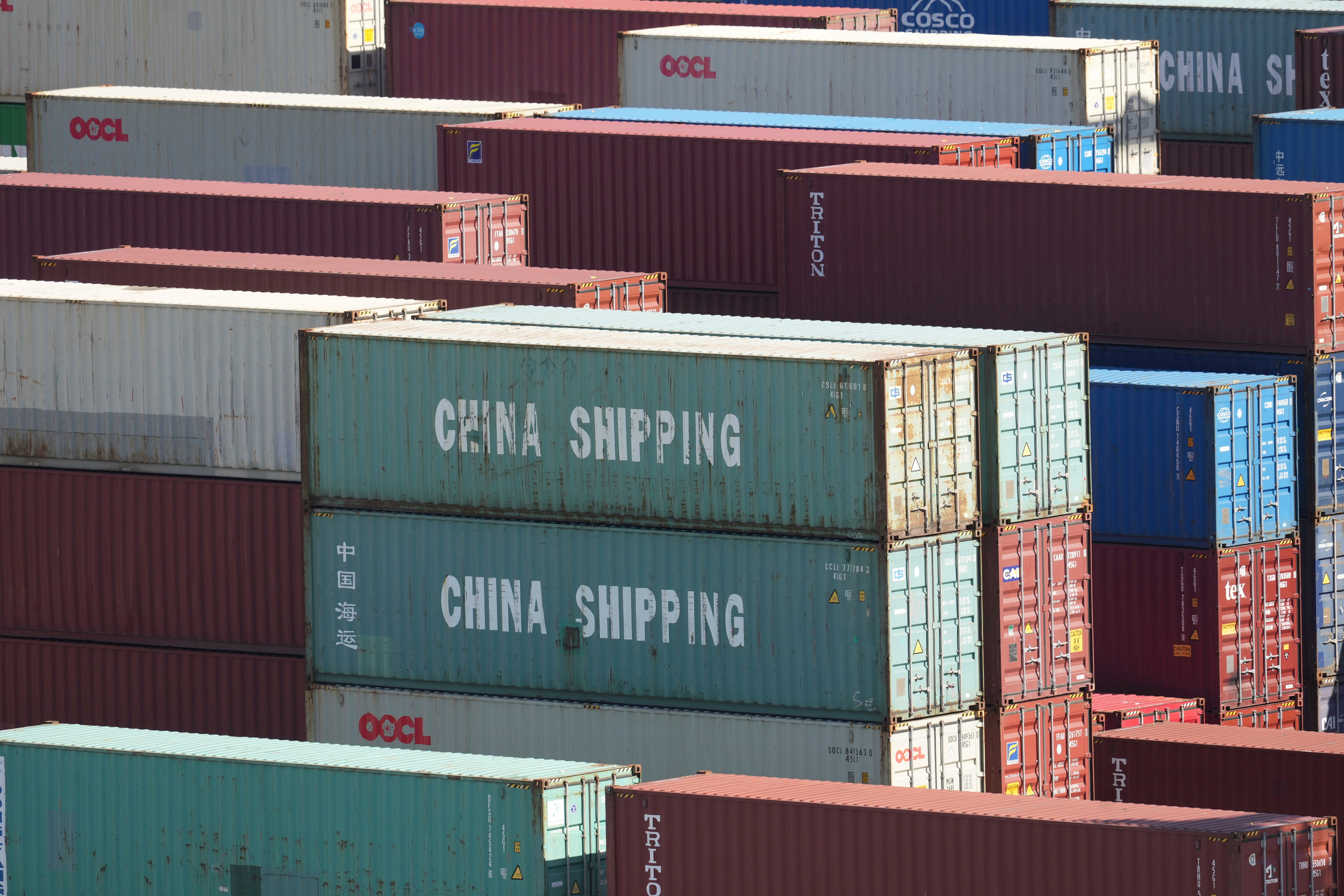
Nearly two-thirds of firms are worried about further supply chain disruptions and higher energy and commodity prices due to the war, according to a survey of 6,000 companies in 13 countries published April 8 by Allianz Trade. The research noted an increase in plans to accelerate reshoring or nearshoring, the practice of moving production and suppliers closer to home or to more stable neighboring countries. Companies are increasingly adopting a "+1 or +2" approach to trade, adding at least one additional country to their supply chain to reduce risk.
Willie Walsh, head of the IATA airline trade association, cautioned that even if the Strait of Hormuz were to reopen and remain open, it will still take months to get back to where supply needs to be. Safety stockpiling has reached the highest level in three years, according to supply chain software giant GEP's March 2026 Global Supply Chain Volatility Index, as factories increase inventory buffers against uncertainty.