Staffing Reductions Contradict Public Messaging
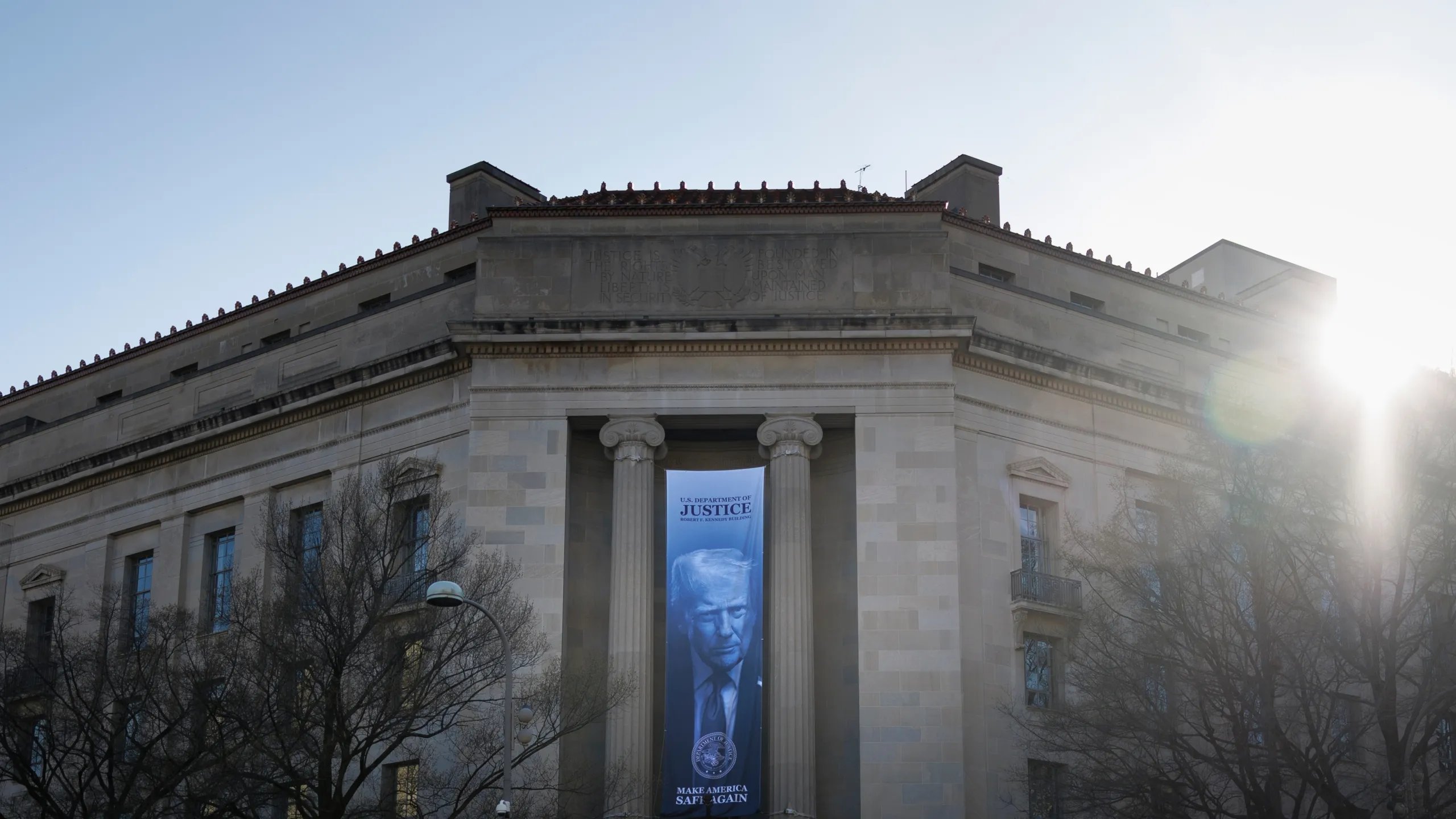
The Department of Justice has cut thousands of law-enforcement positions while the Trump administration publicly commits to getting tough on crime, according to exclusive reporting. The staffing reductions represent a direct contradiction between stated policy goals and actual operational decisions at the federal law-enforcement level. The cuts affect employment for those who held these positions and reduce the department's capacity to investigate and prosecute cases across the country.
The scale of these reductions has not been previously disclosed in detail. No specific number of positions or timeline for the cuts appeared in the available reporting, but the exclusive nature of the story indicates the data represents new information about staffing decisions that had not been publicly acknowledged.
Resource Diversion From Crime Victims
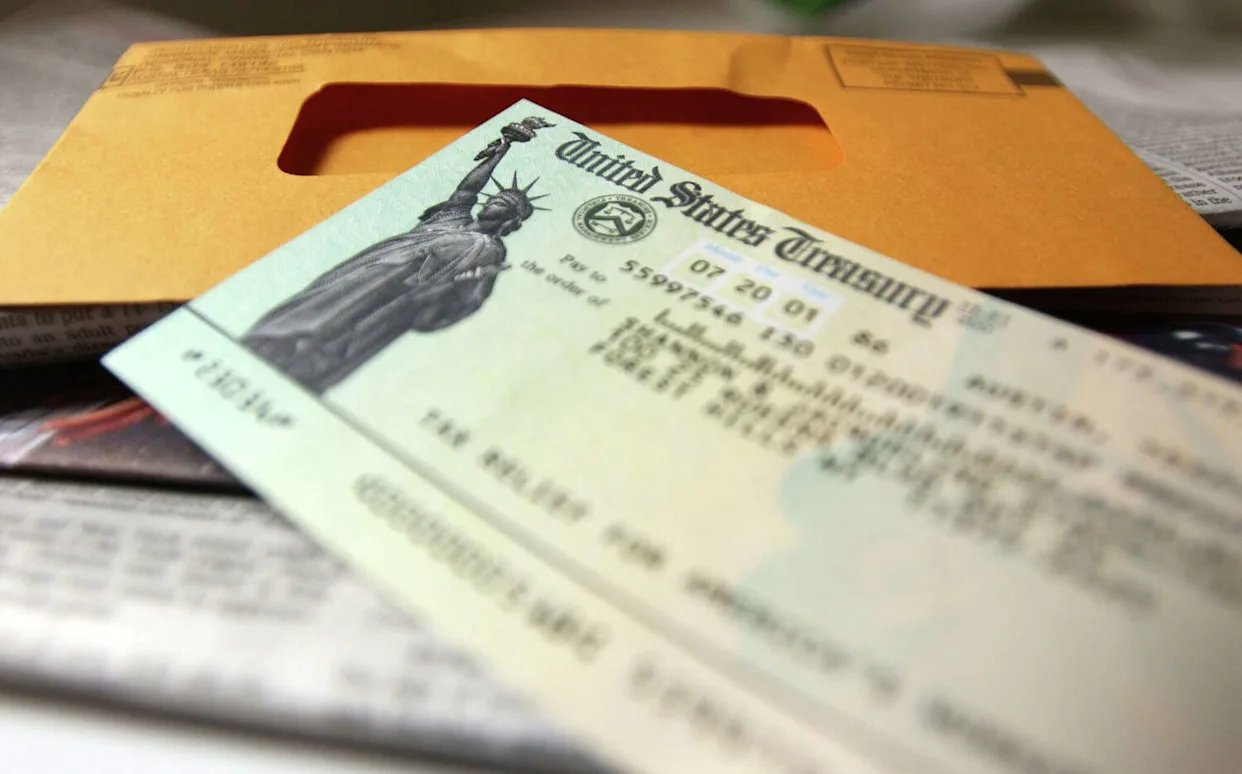
Beyond staffing cuts, the administration's use of presidential pardons has eliminated funding that would support victims of violent crime. The 117 pardons issued in Trump's second term have erased at least $113 million in fines and penalties that would otherwise have funded a victims' assistance program, according to reporting from the Trace shared with the Guardian.
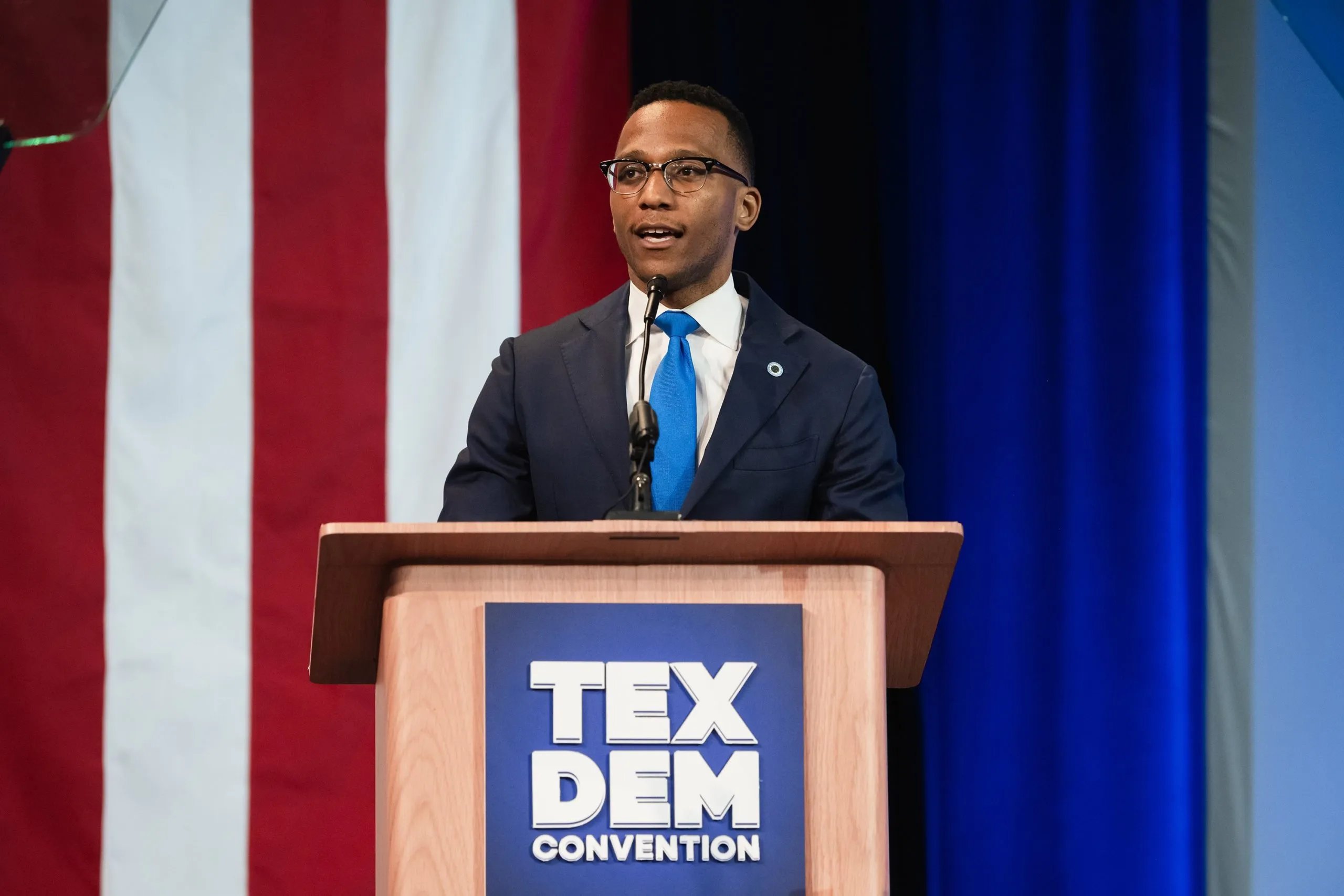
These missing funds supported domestic violence shelters, rape crisis centers, and child abuse treatment programs. Representative Johnny Olszewski, a first-term Democratic congressman from Maryland's second district, noted that these programs are now forced to operate with reduced resources. Olszewski is advancing the Pardon Integrity Act, a constitutional amendment that would require congressional review of presidential pardons when 20 House members and five senators request it within 60 days.
Who Benefits From Pardons
The beneficiaries of recent clemency decisions tell a different story than the stated focus on crime prevention. Crypto magnates and Juan Orlando Hernández, the former Honduran president convicted of conspiring to import massive quantities of cocaine into the United States, received pardons. Lobbyists reportedly charge upwards of $1 million to secure clemency for wealthy and well-connected offenders, according to reporting cited by Olszewski.
Olszewski characterized the pardon power as having been "perverted into a mechanism that rewards loyalty, wealth and proximity to power" rather than serving as a tool to correct miscarriages of justice. Representative Don Bacon, a Republican, has joined Olszewski to lead the effort on the amendment, framing it as a bipartisan concern about accountability.
Congressional Response
Olszewski's proposed amendment sets a deliberately high threshold for congressional intervention. A two-thirds supermajority in both chambers would be required to overturn a pardon that Congress votes to scrutinize. Olszewski acknowledged that abuses of pardon power have occurred across administrations, citing Bill Clinton's pardon of his half-brother after a drug conviction and Joe Biden's pardon of his son after gun- and tax-related convictions, along with Biden's pre-emptive pardons.
The amendment requires broad consensus to pass, as constitutional amendments demand. Olszewski stated the effort reflects a principle that "no one is above the law, not even a president's friends."