Energy Cost Increases
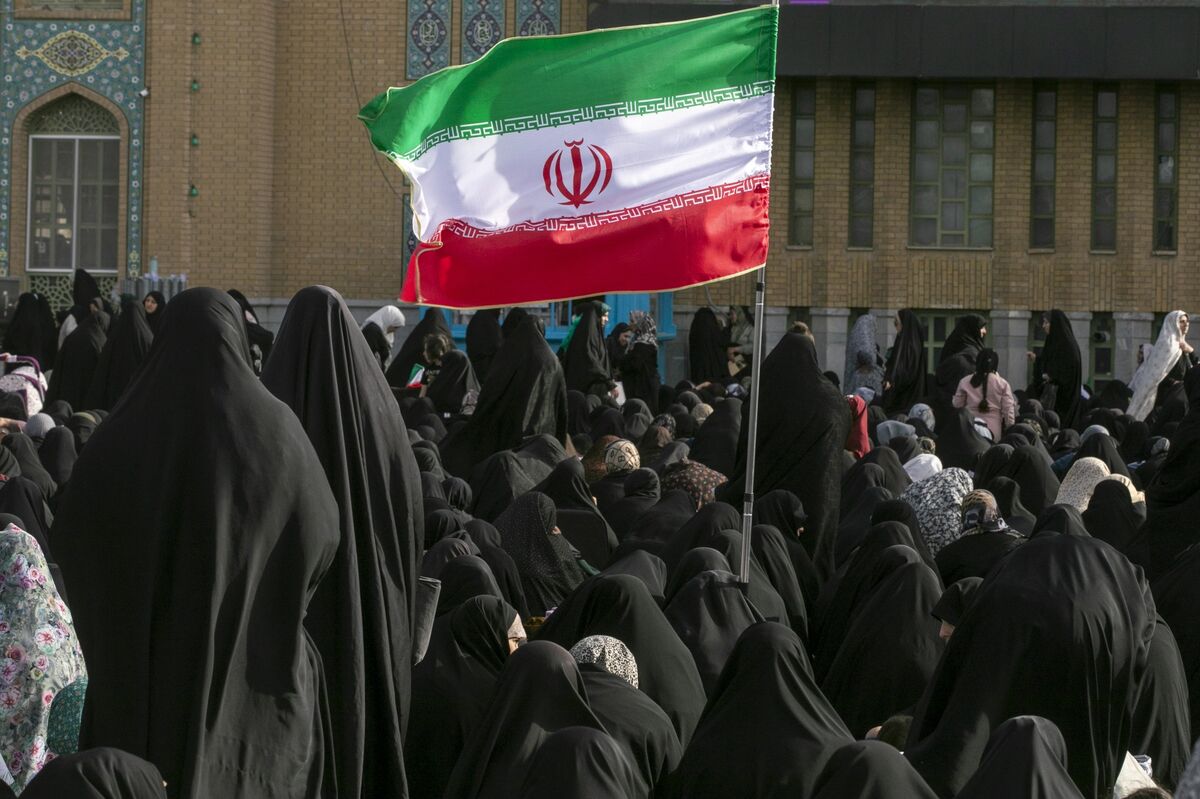
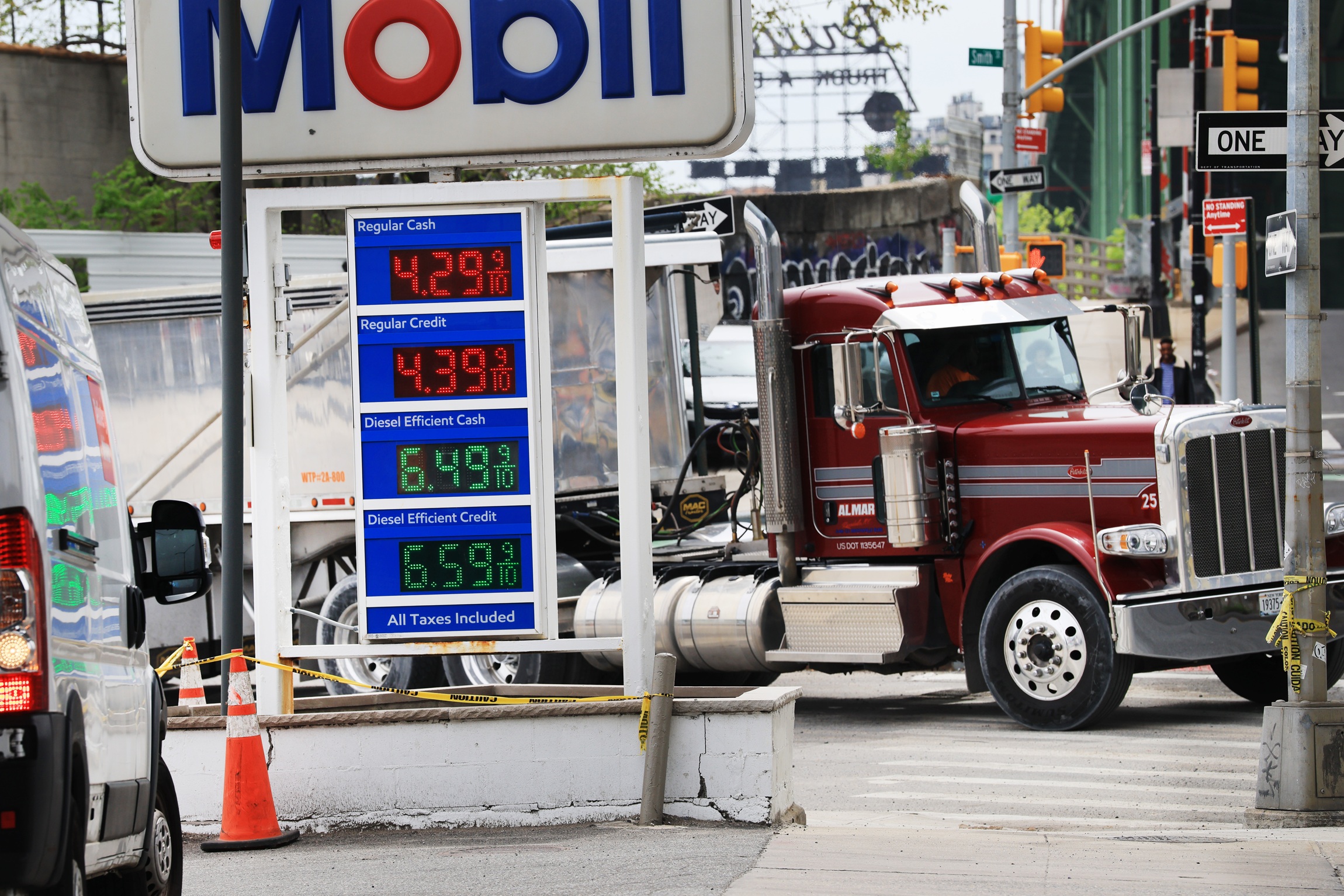
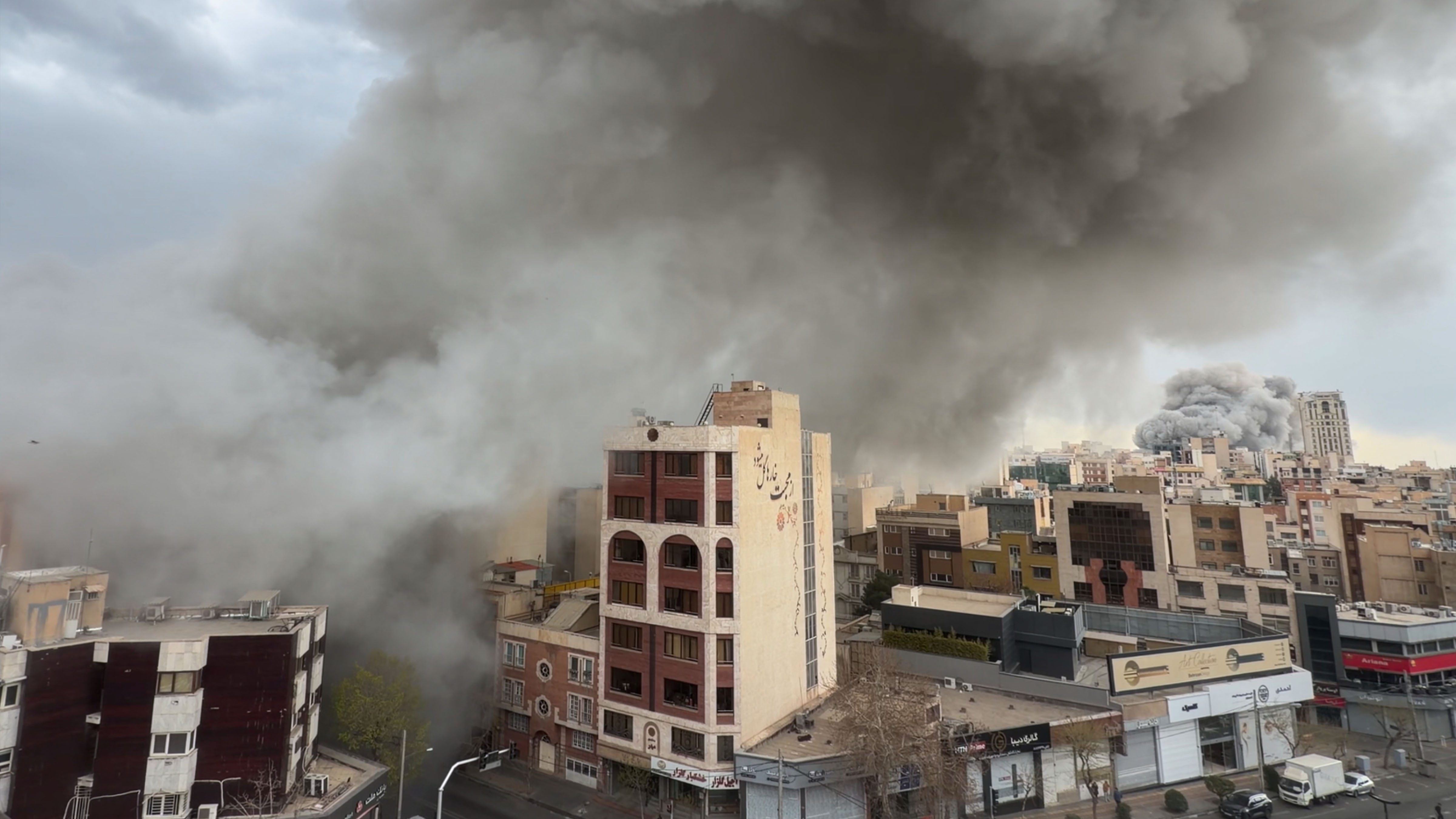
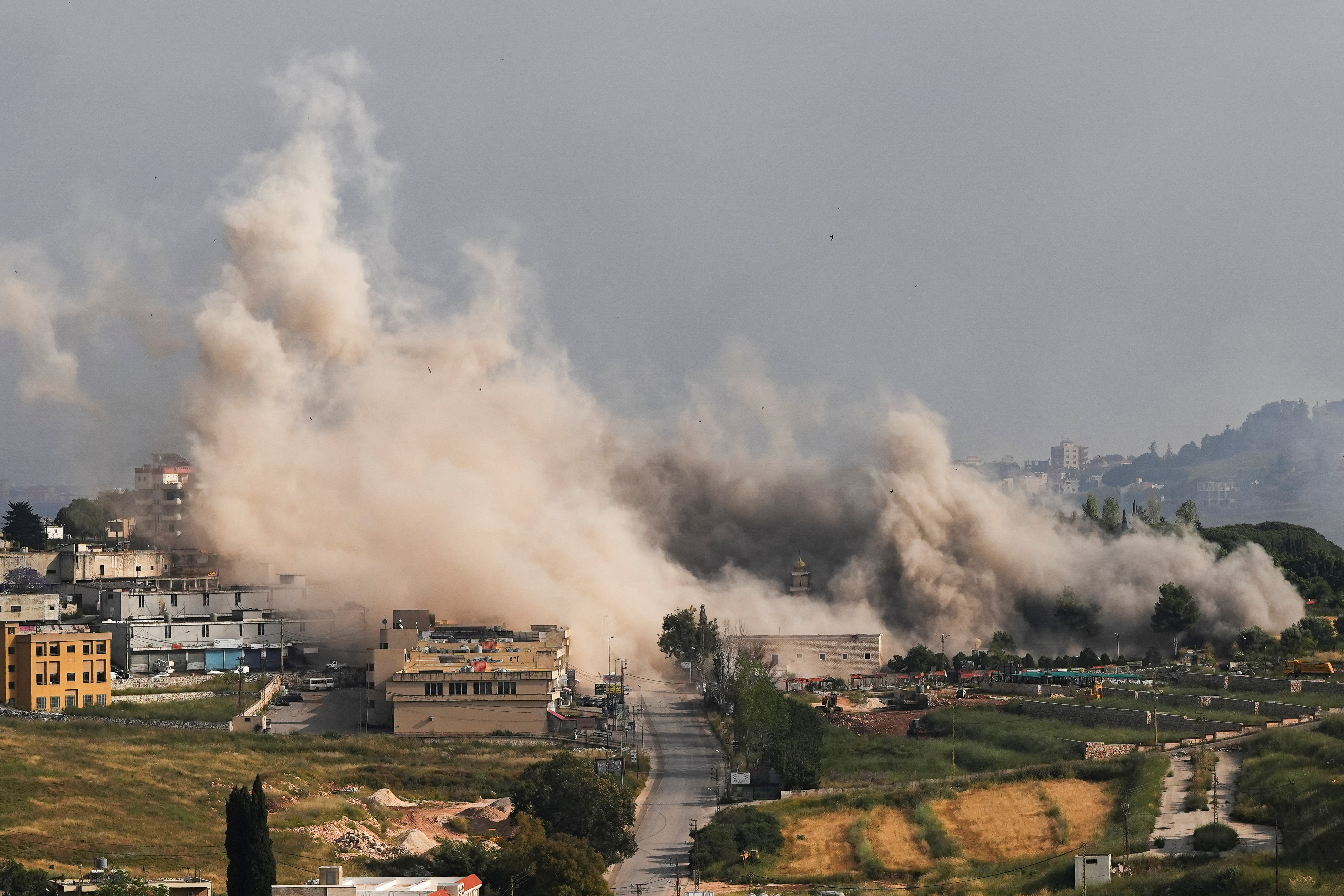
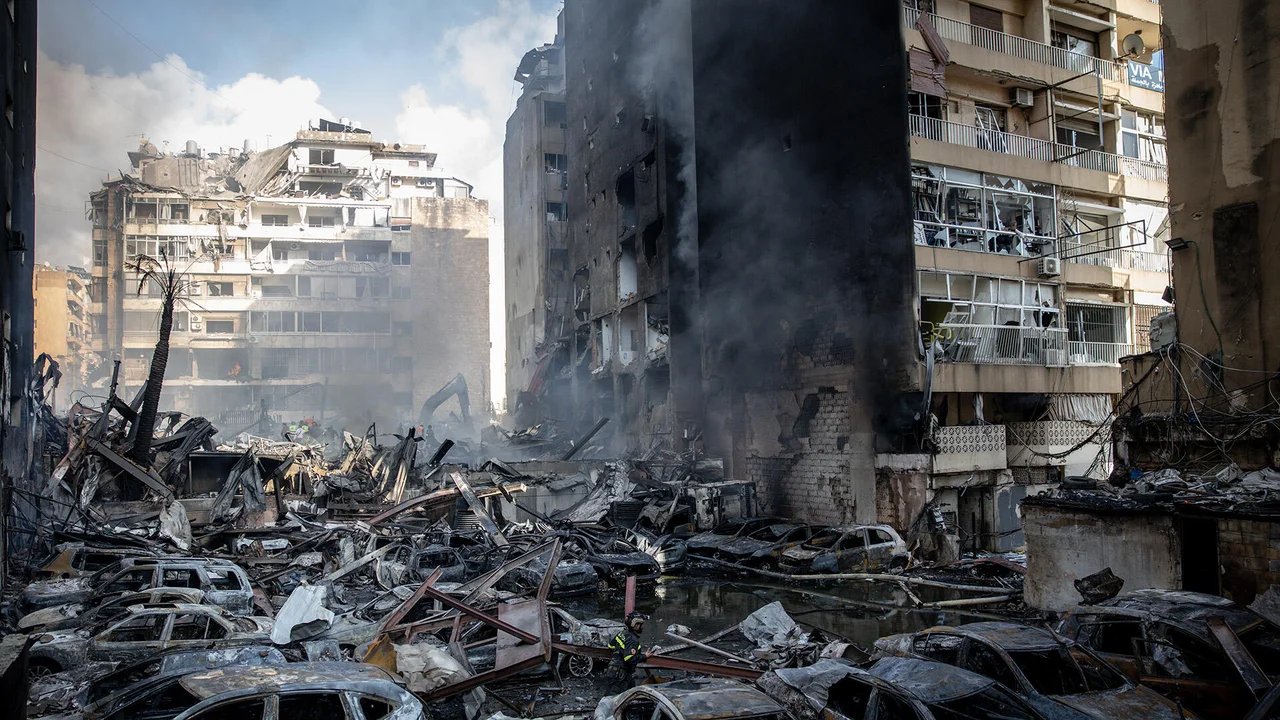
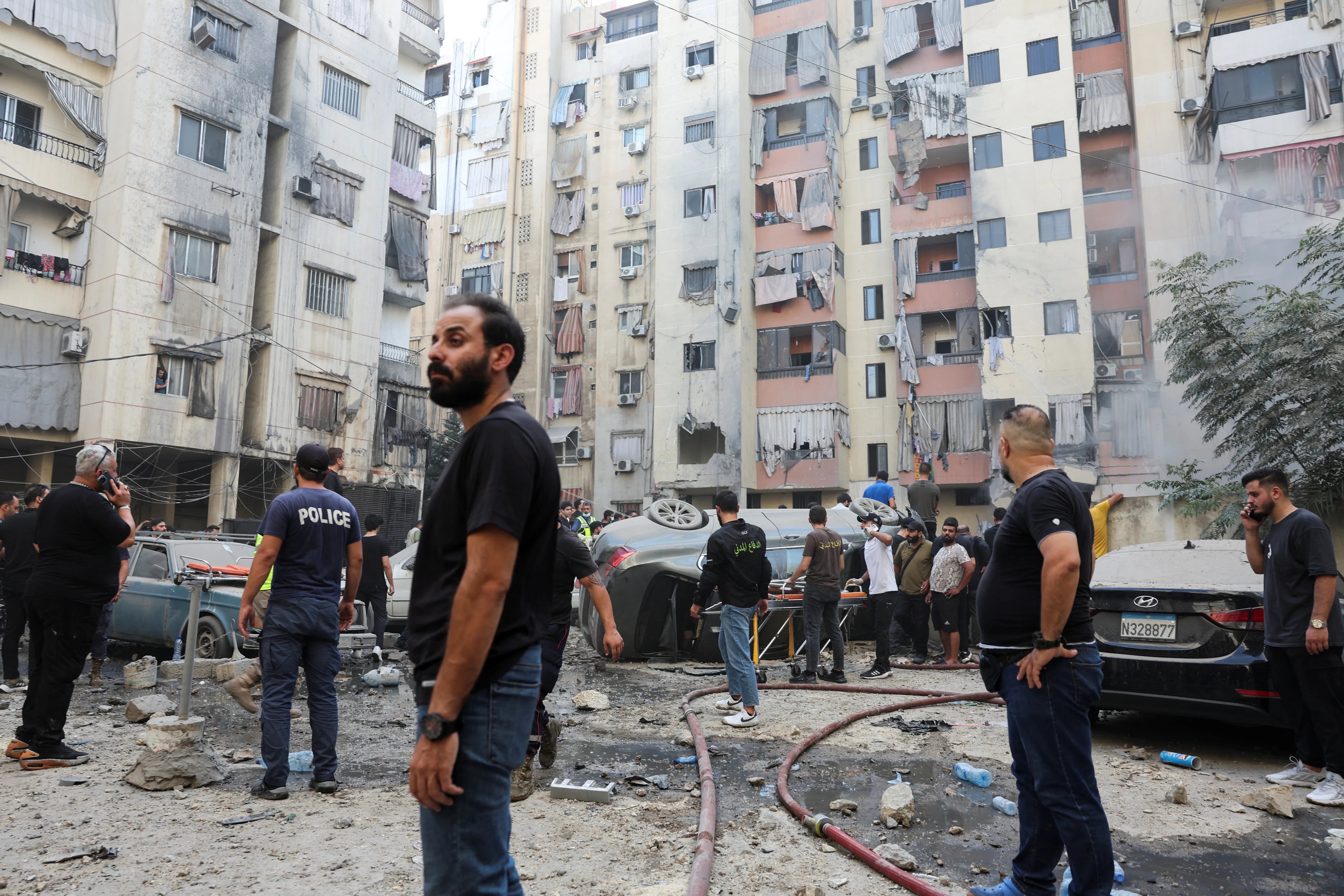
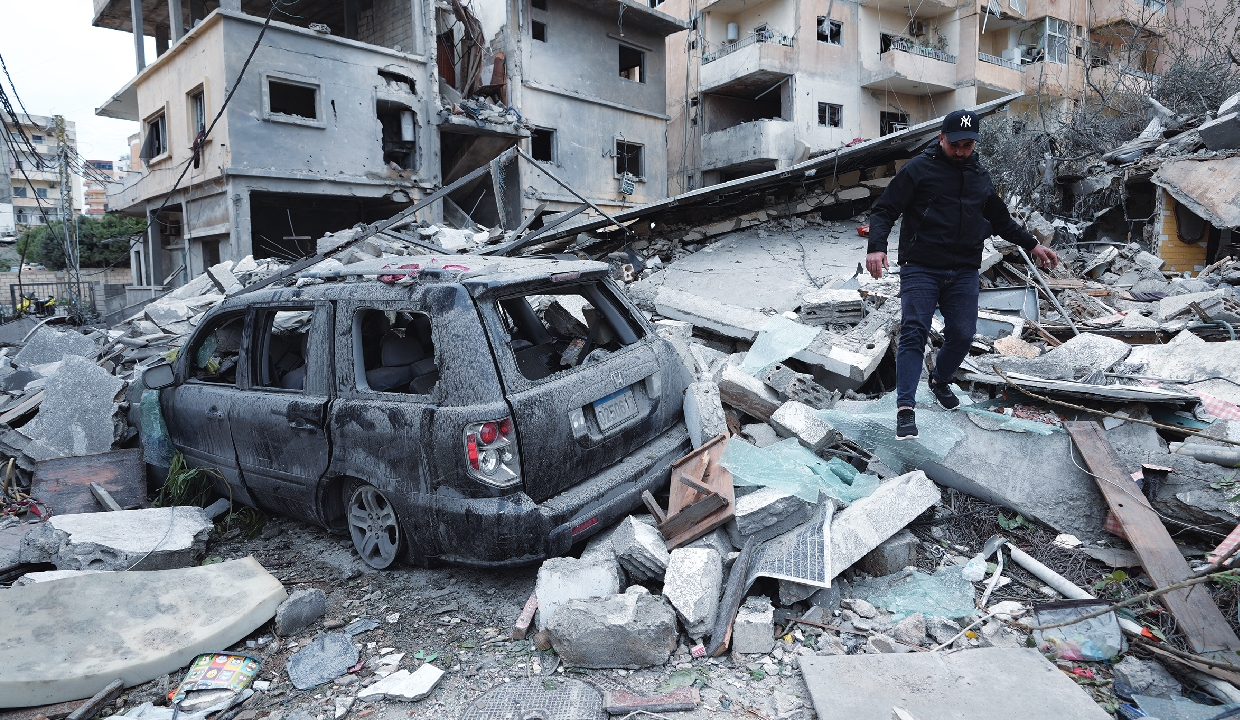
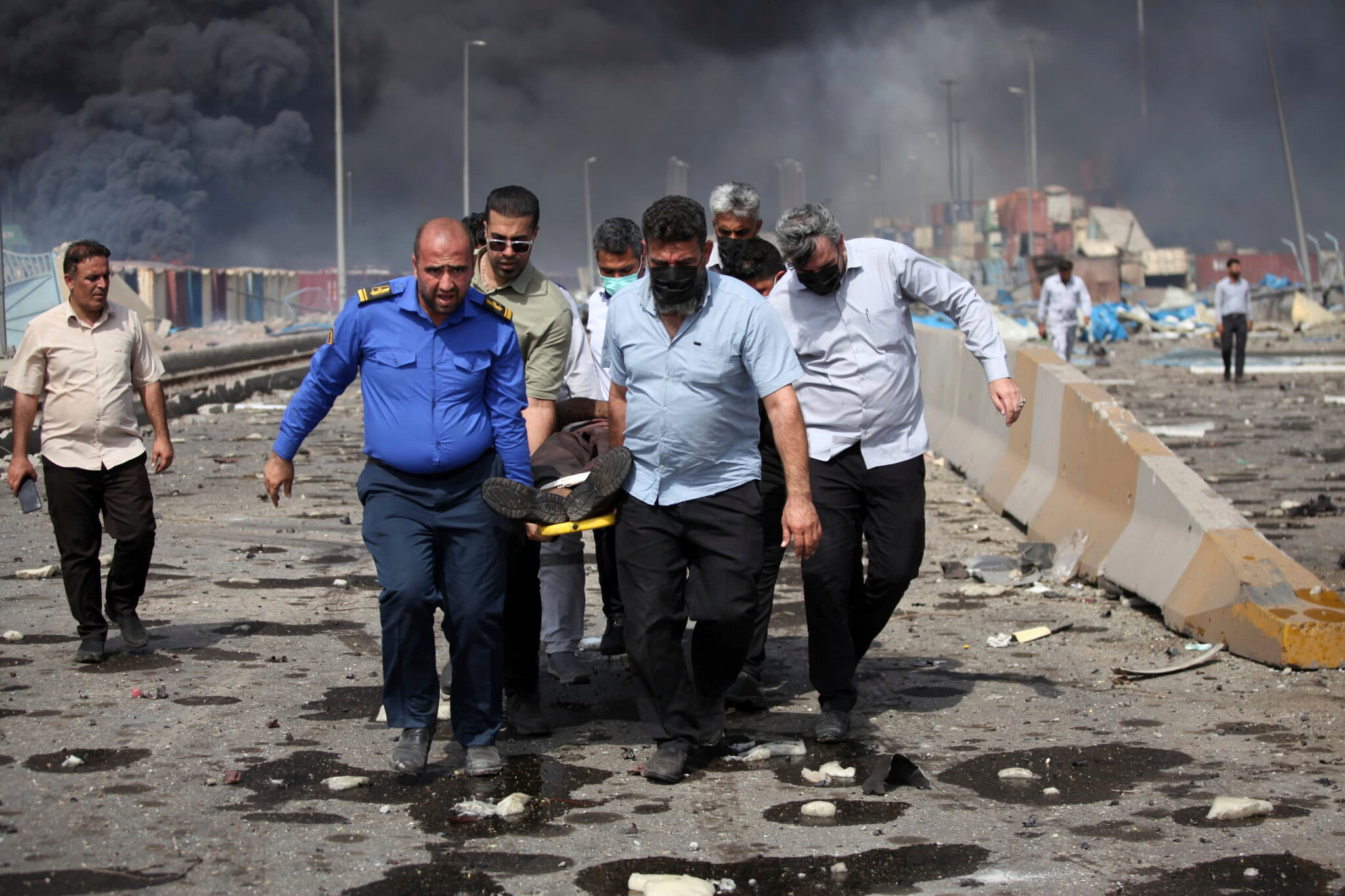
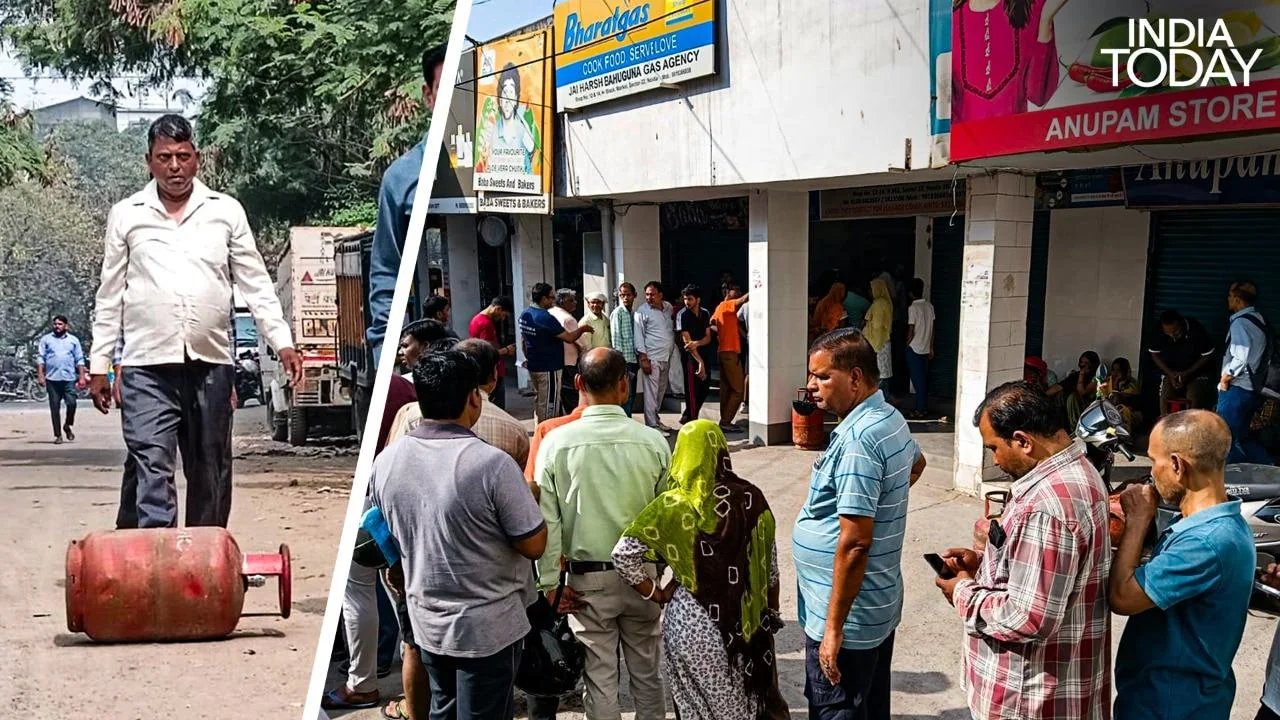
The conflict between the U.S. and Iran has driven up power prices in Europe, leading consumers and businesses to seek alternative energy sources. Rising energy prices are directly affecting household and business electricity costs across the continent.
Oil Market Disruption
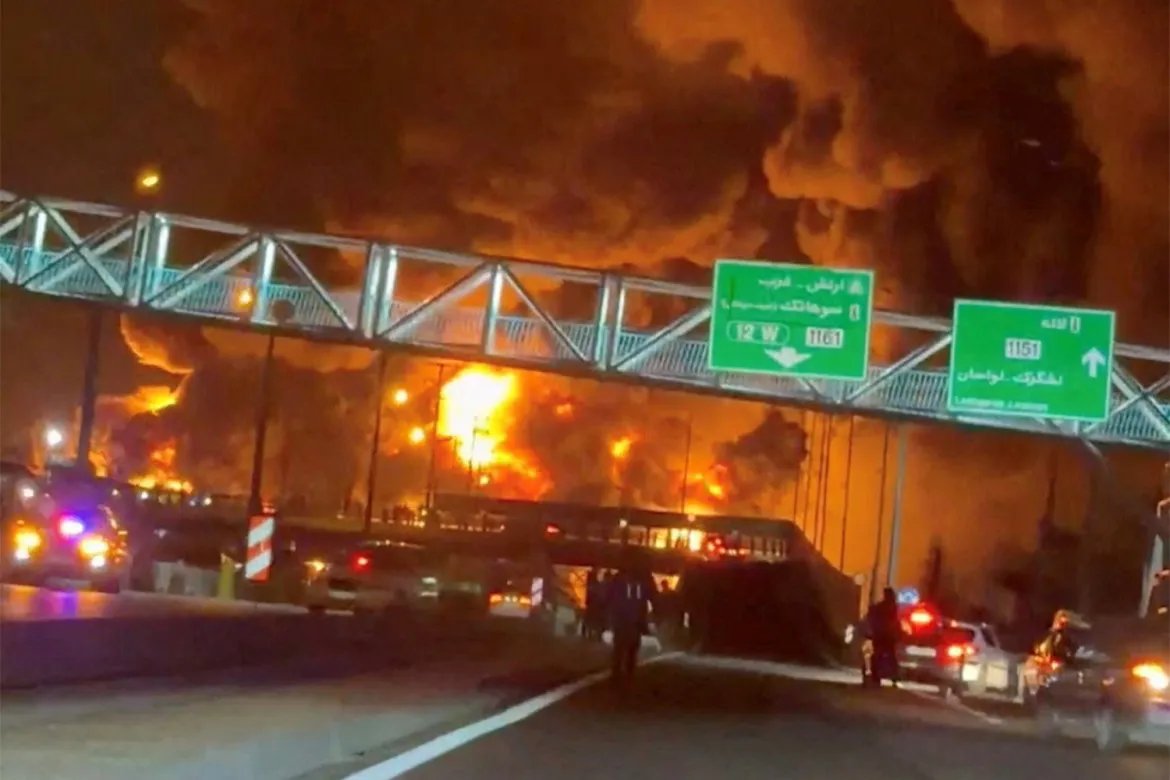
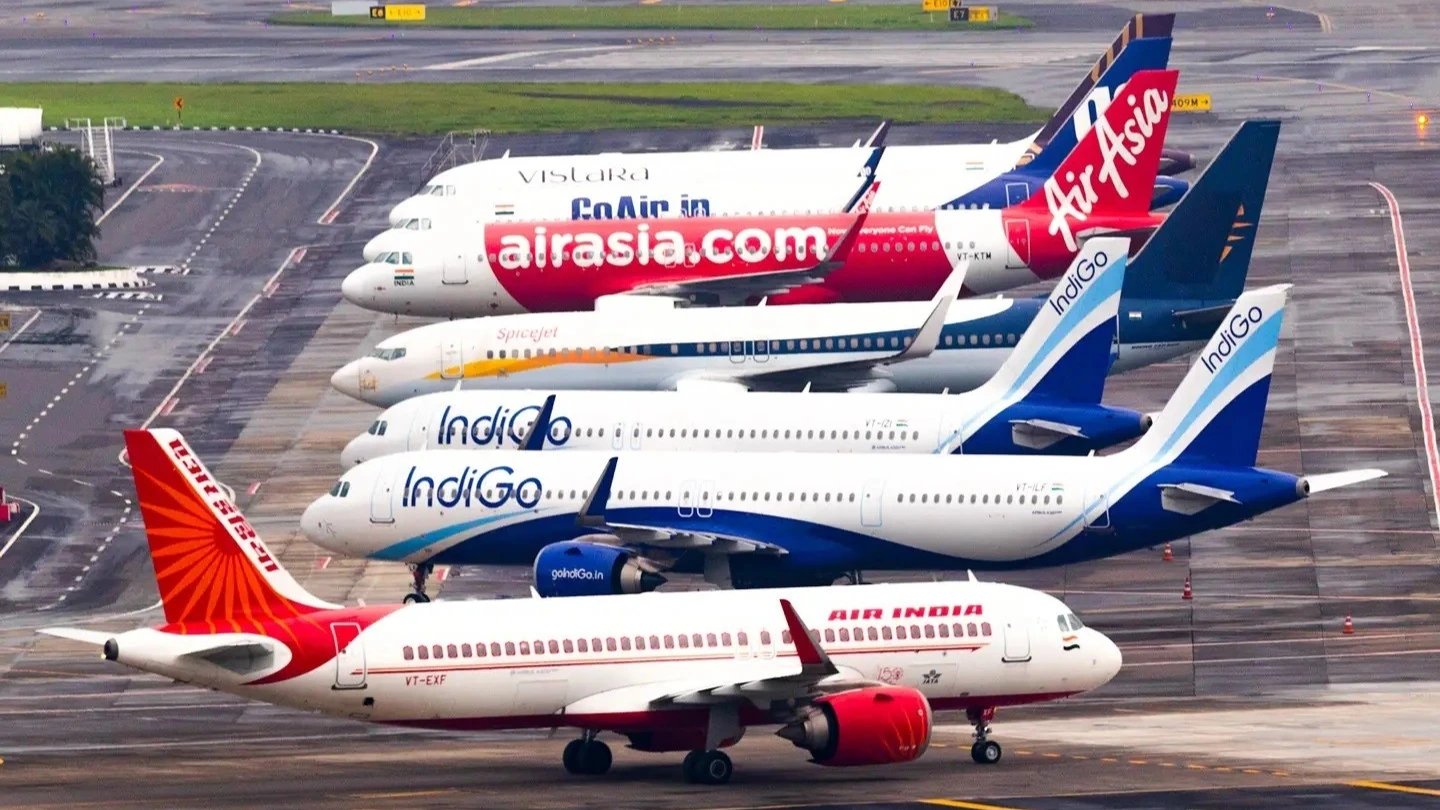
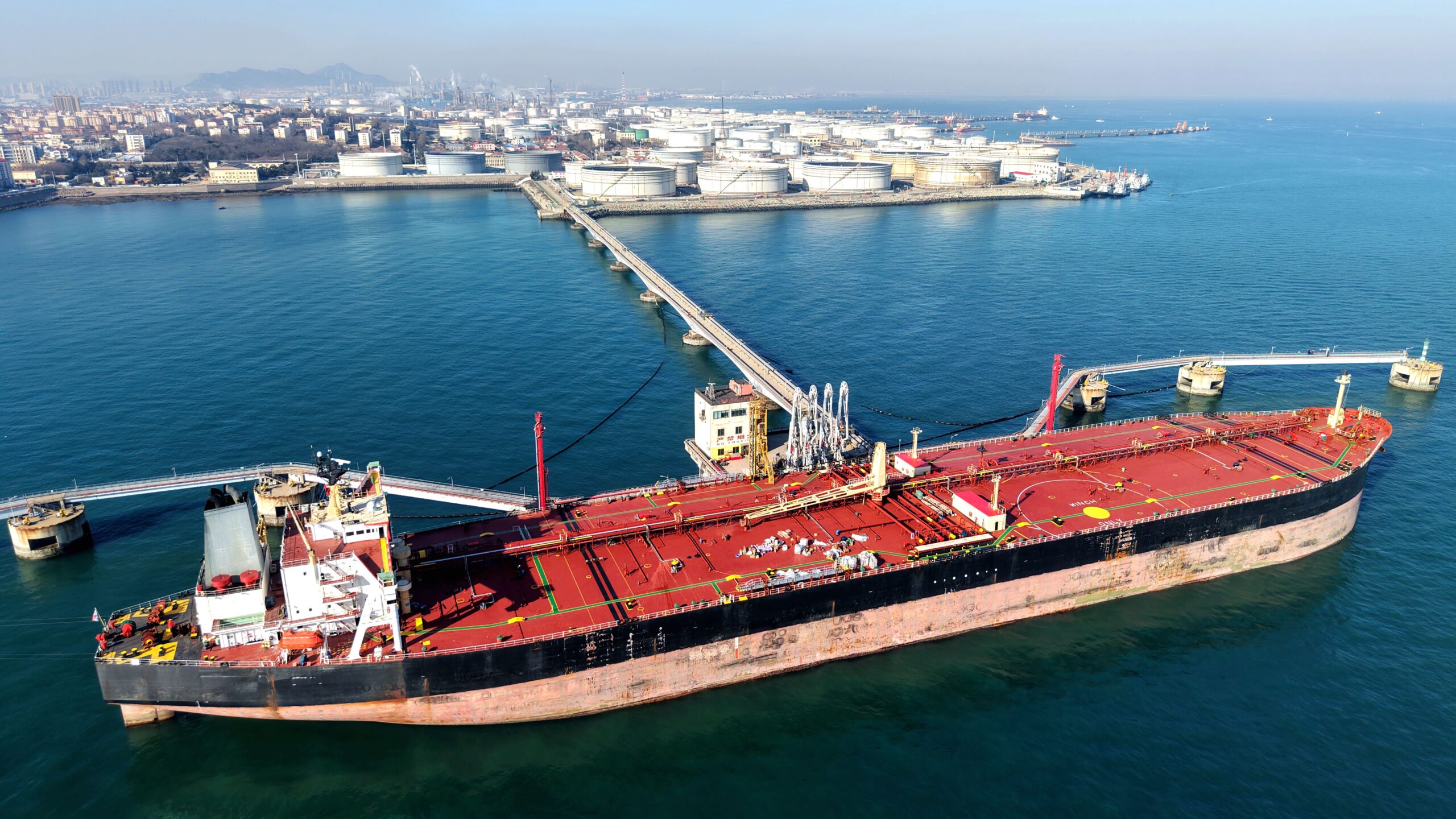
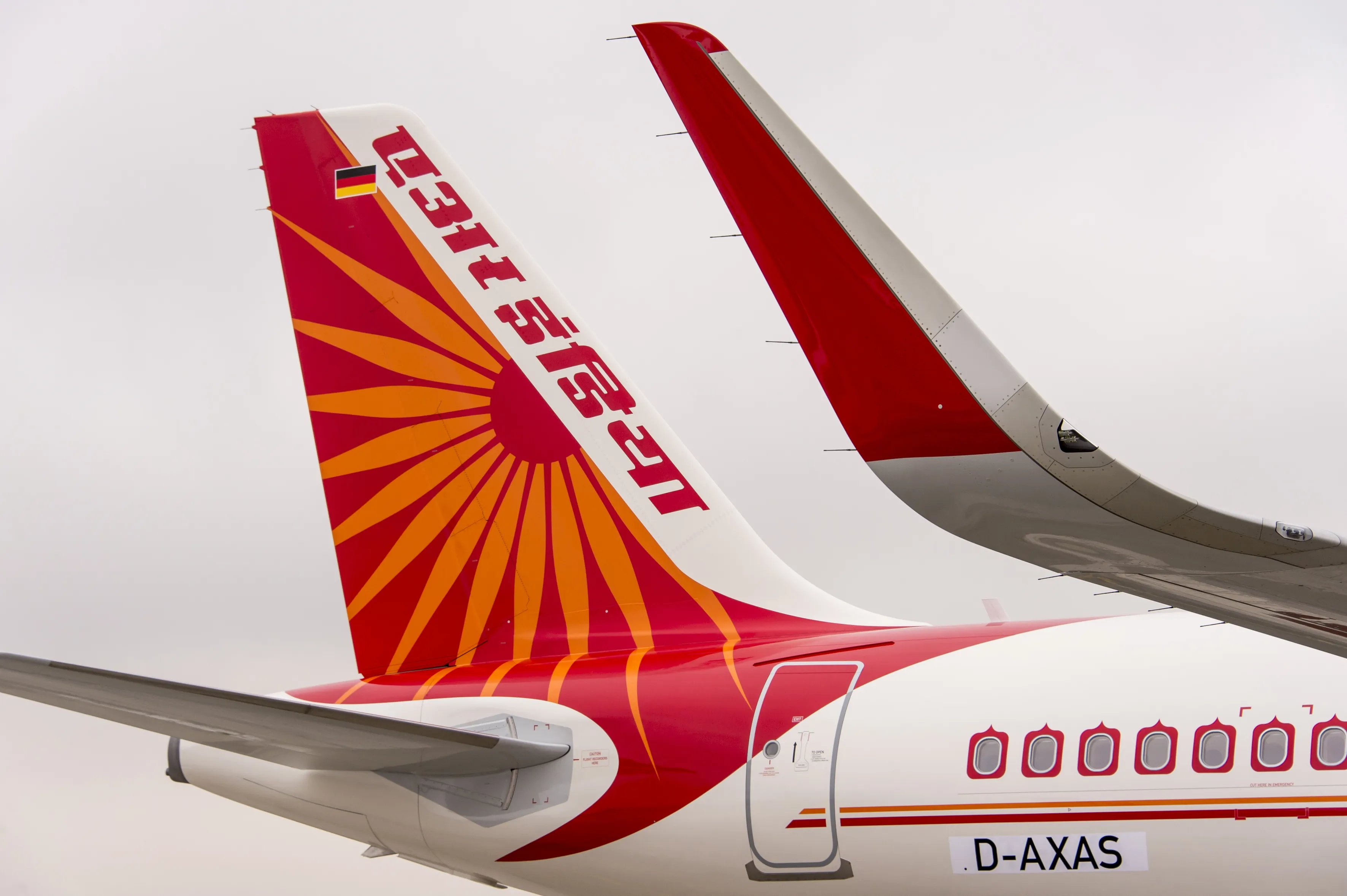
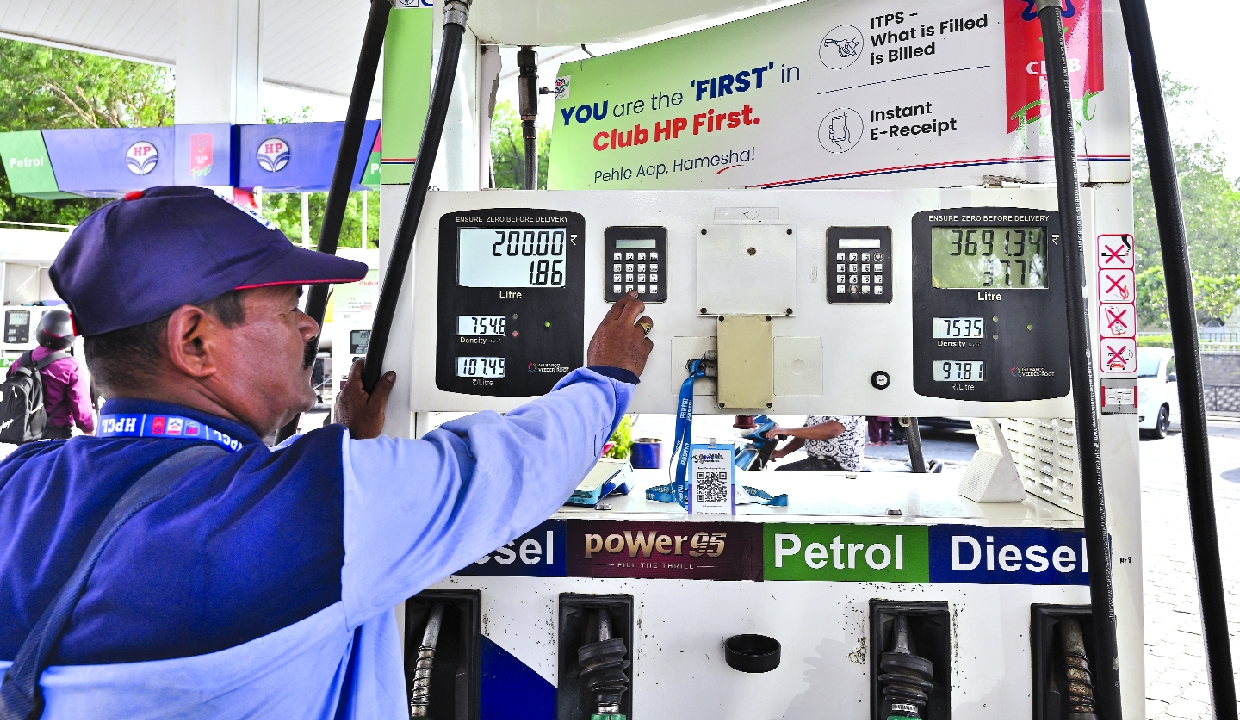
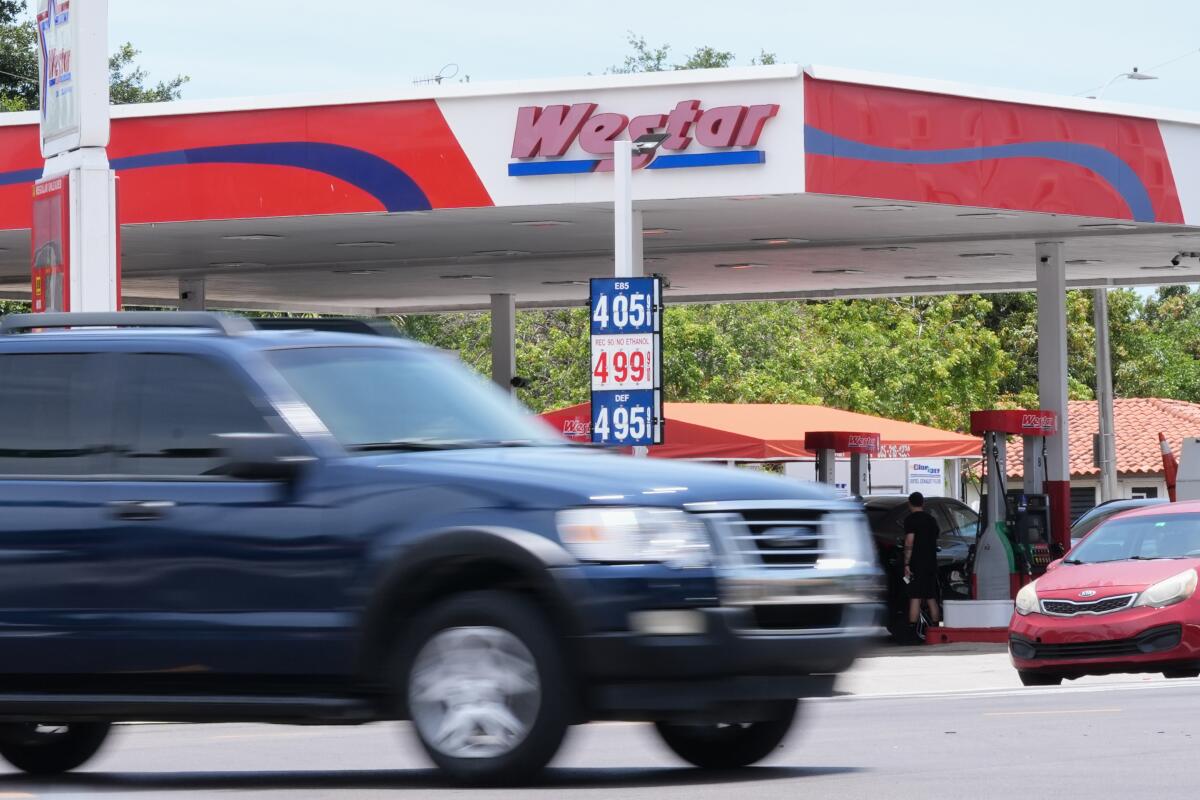
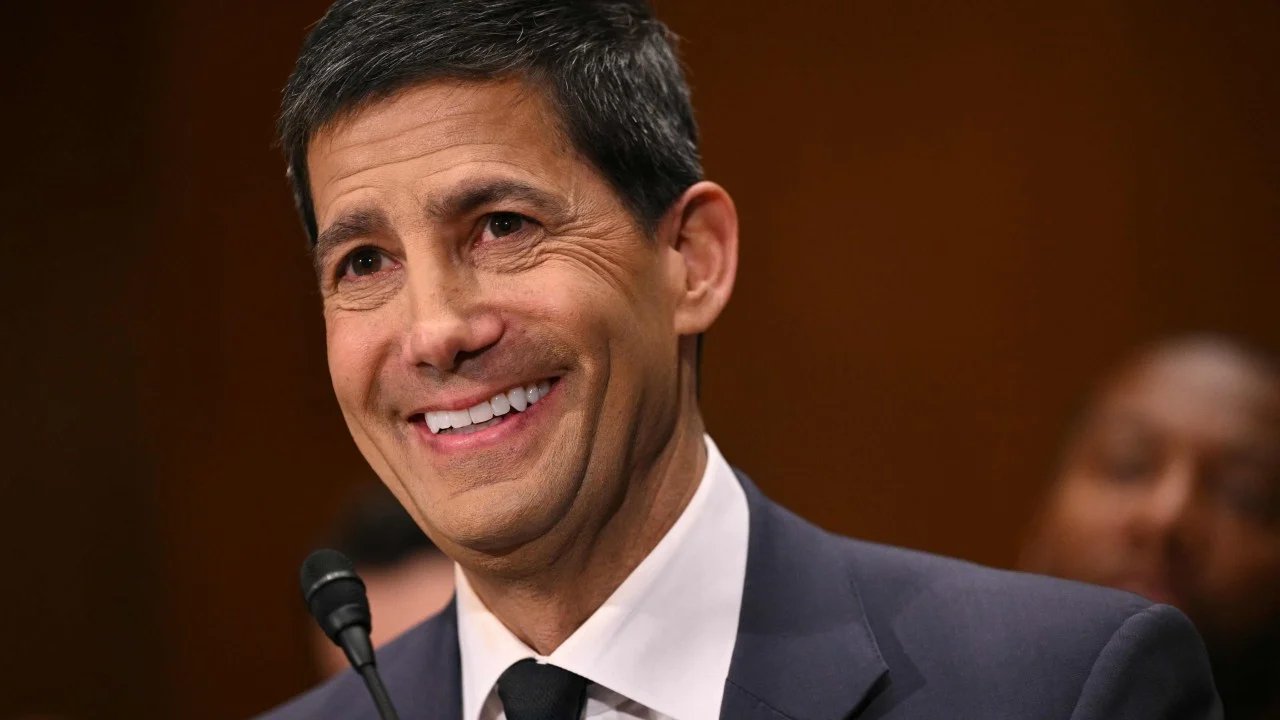
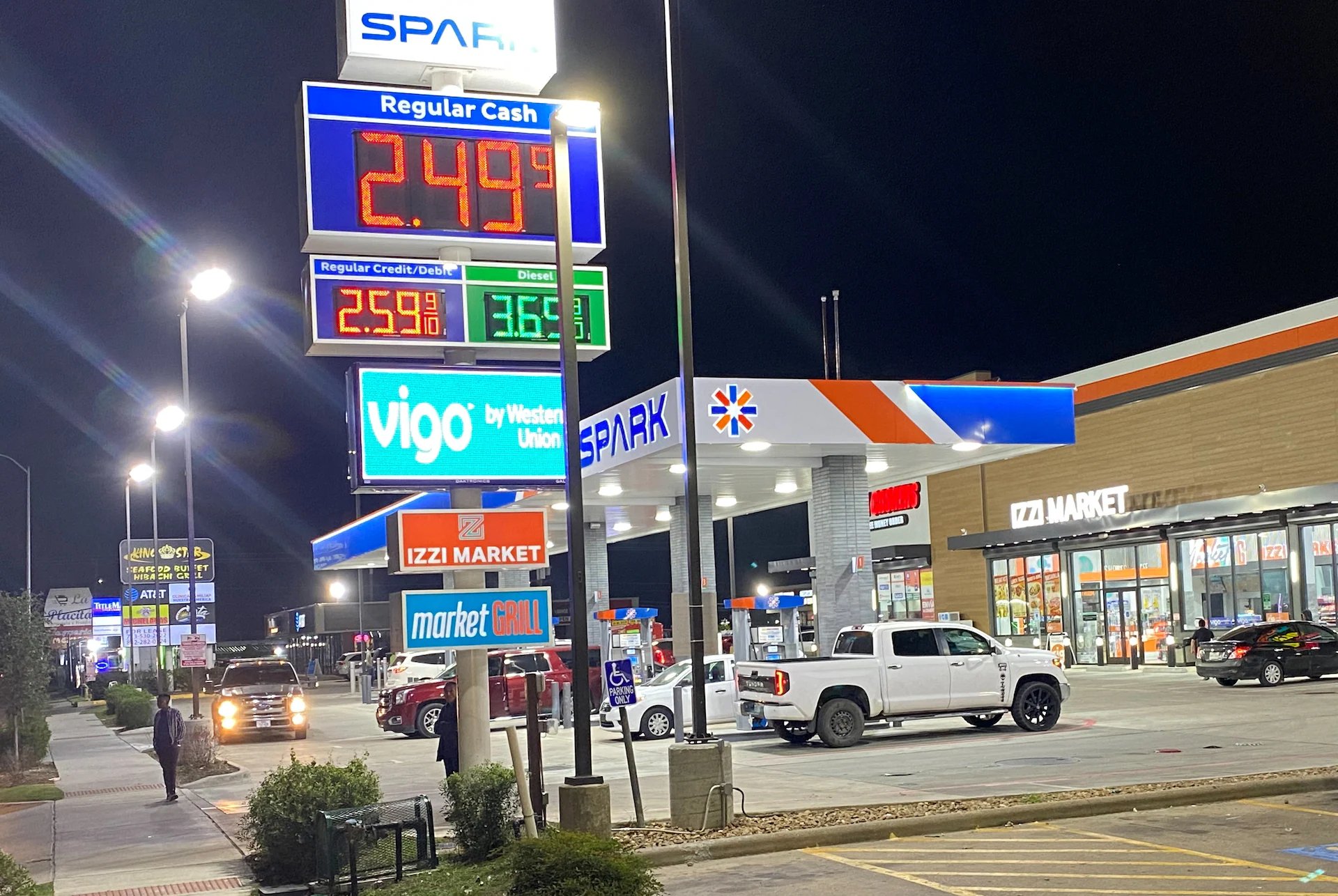
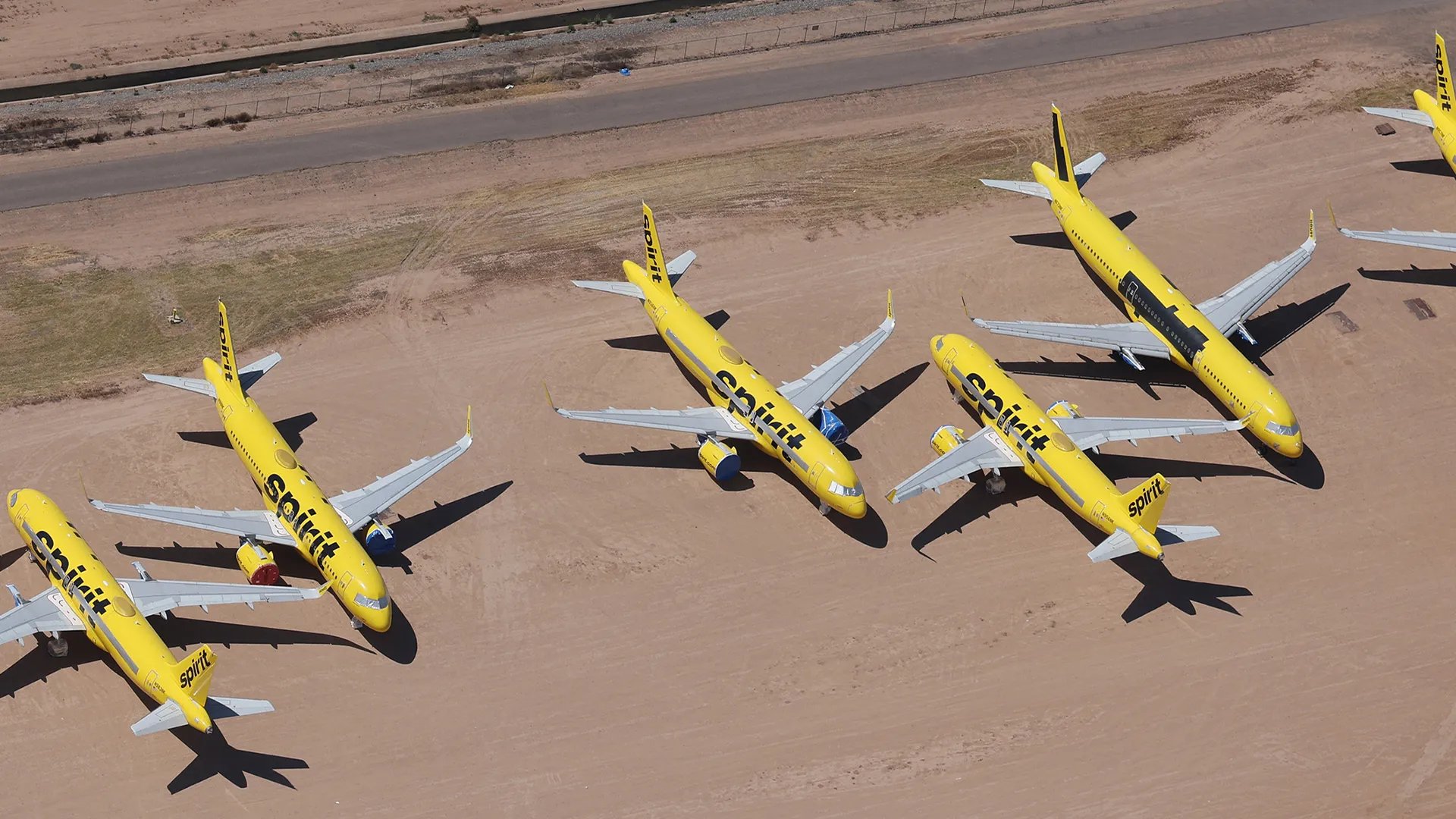
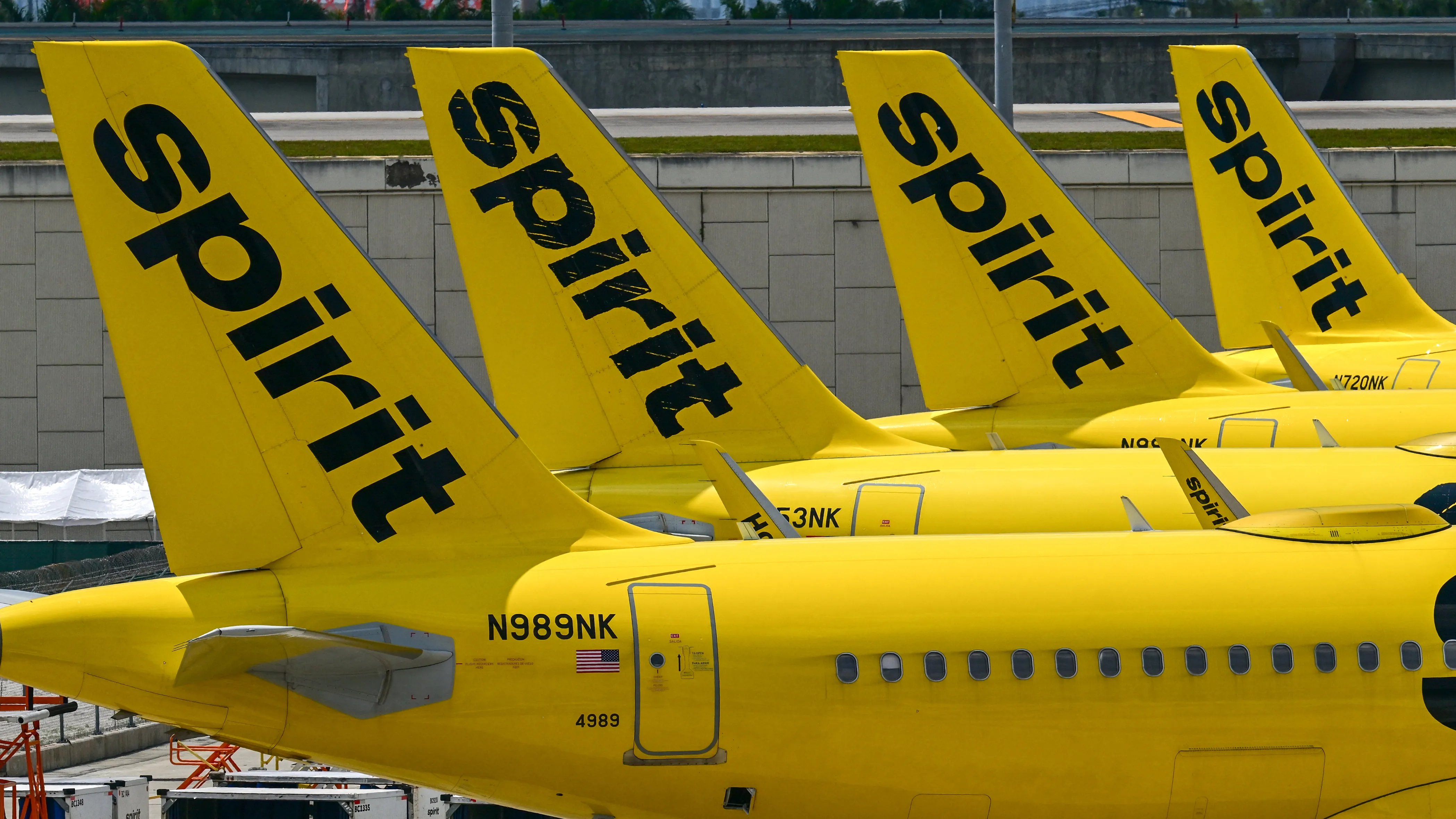
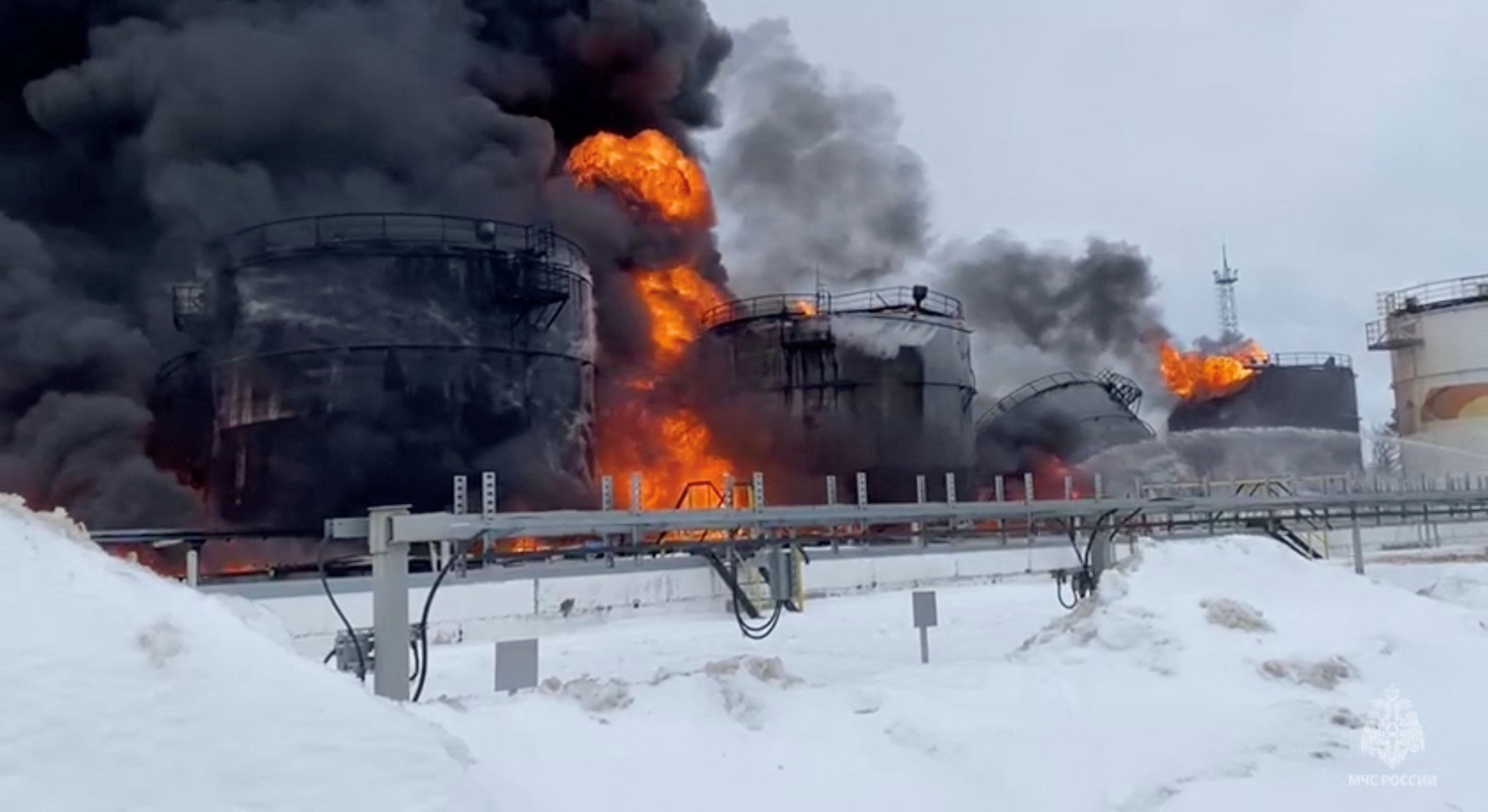
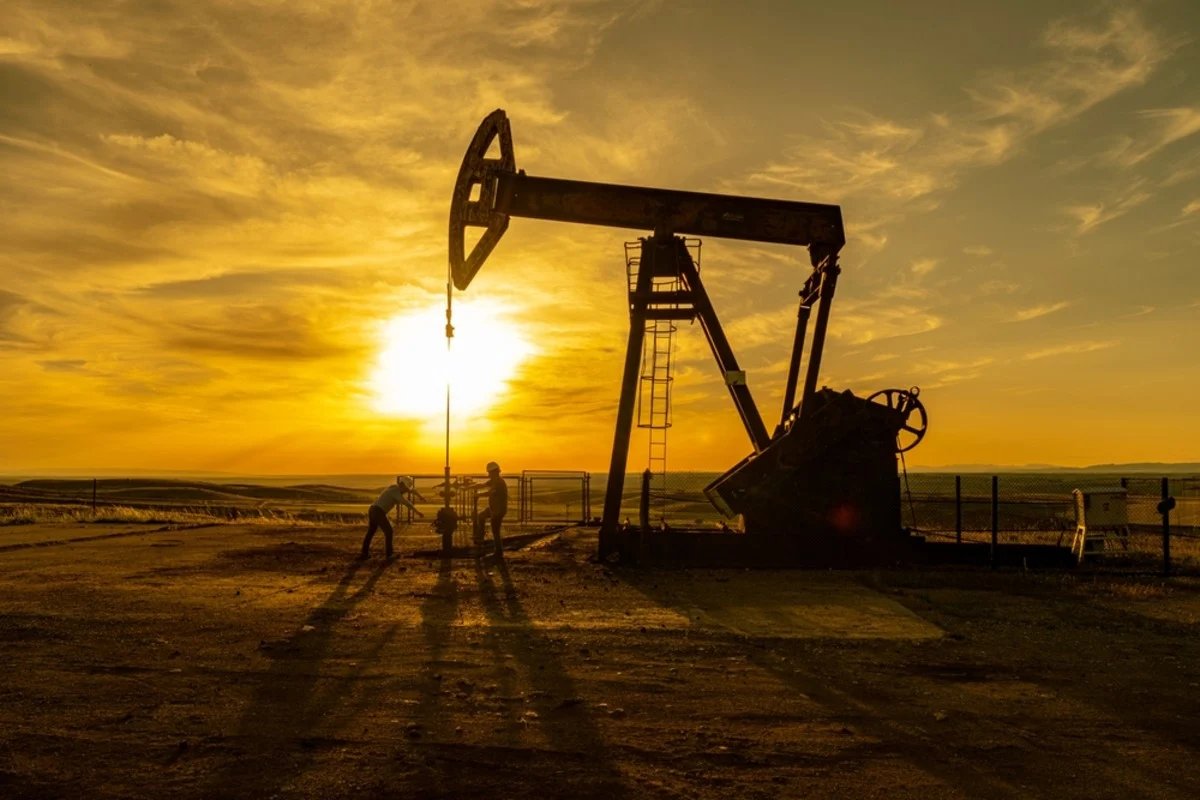
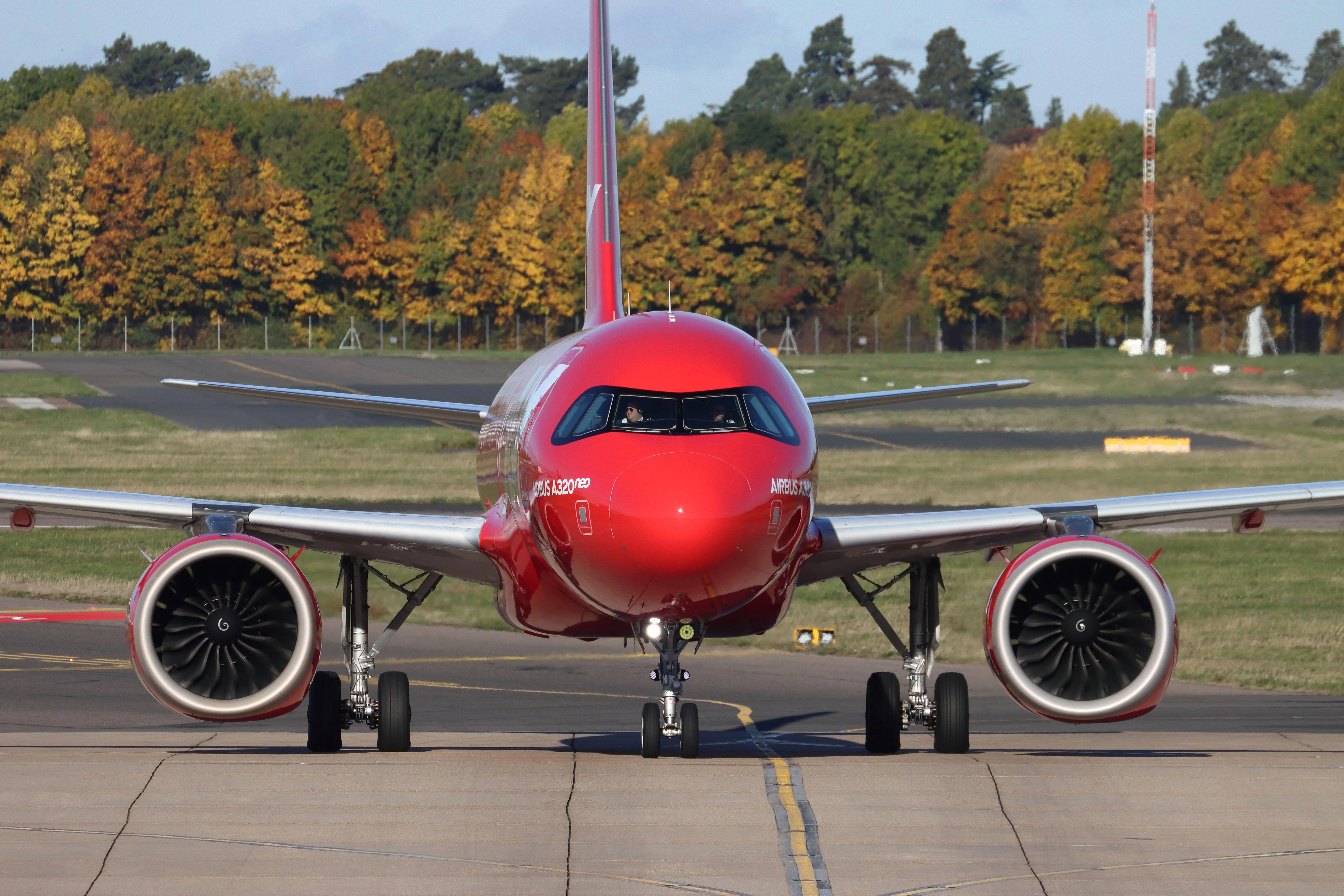
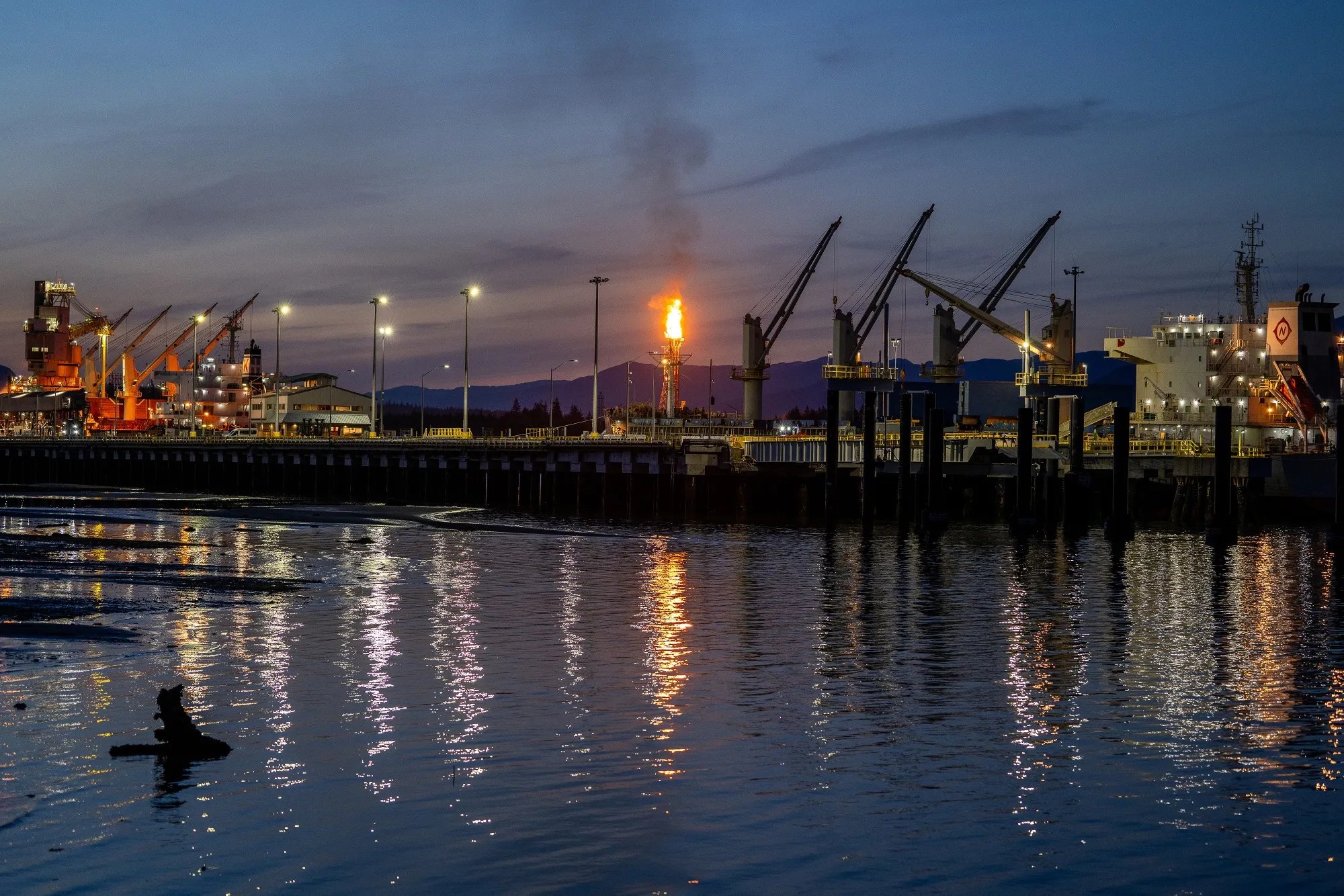
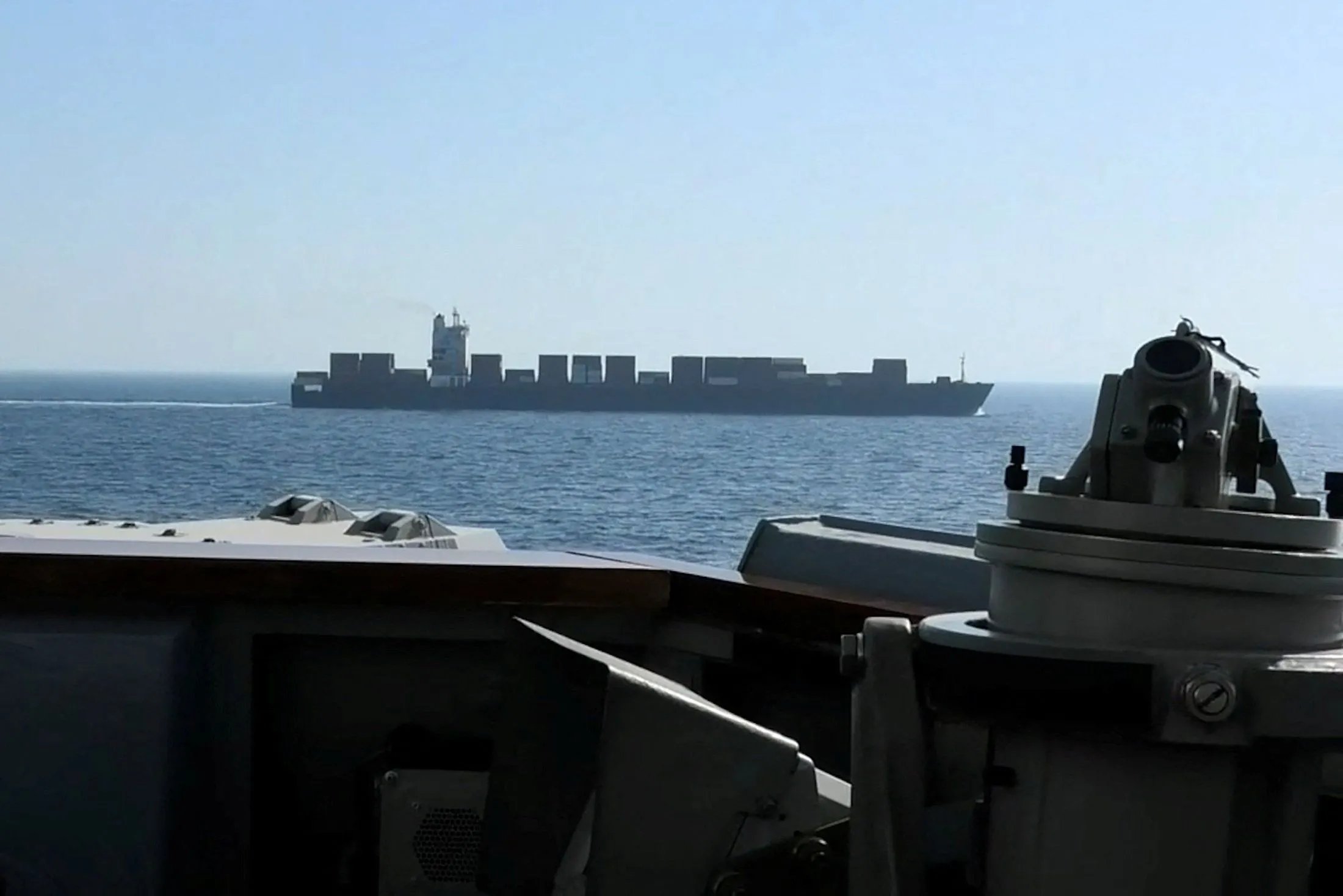
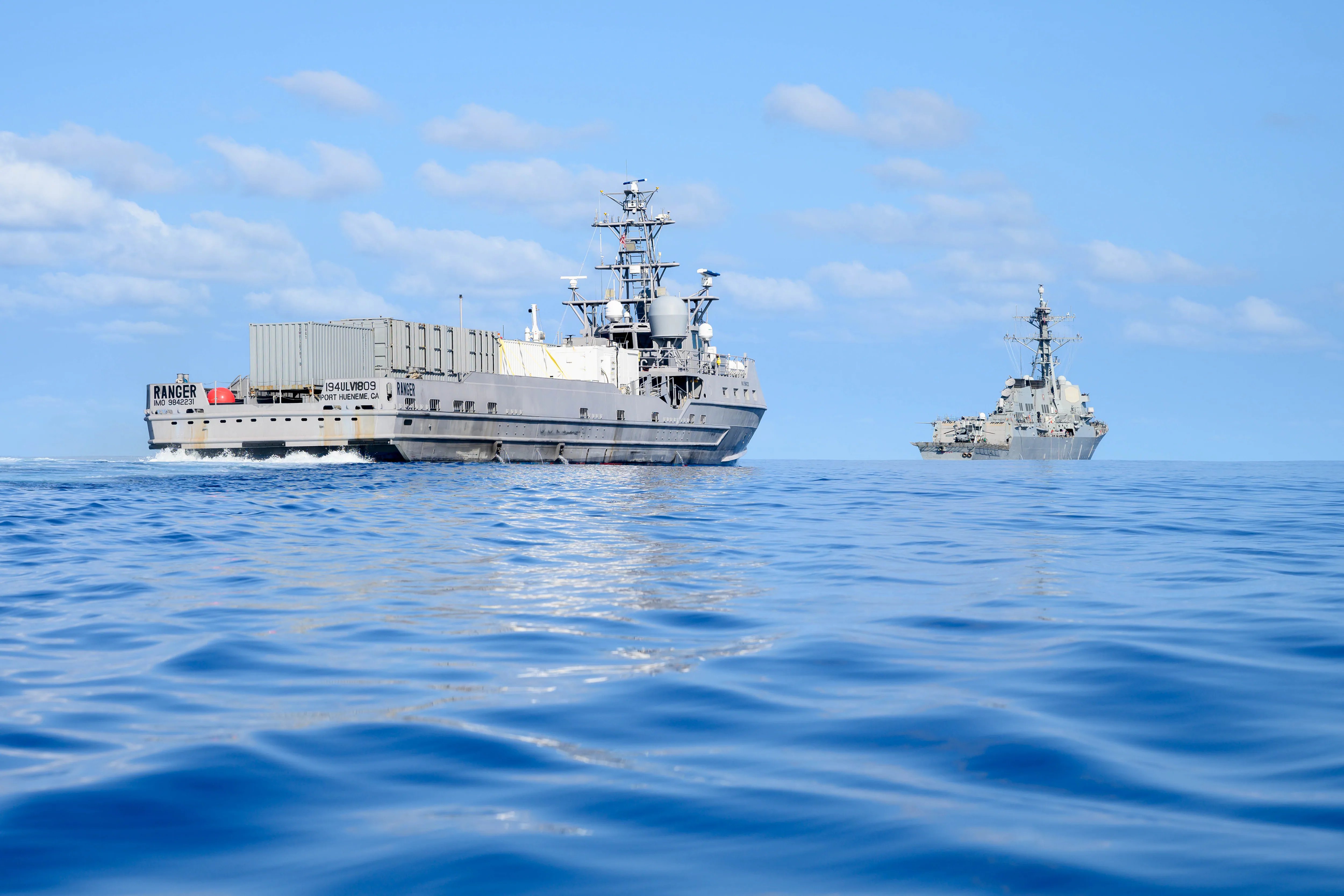
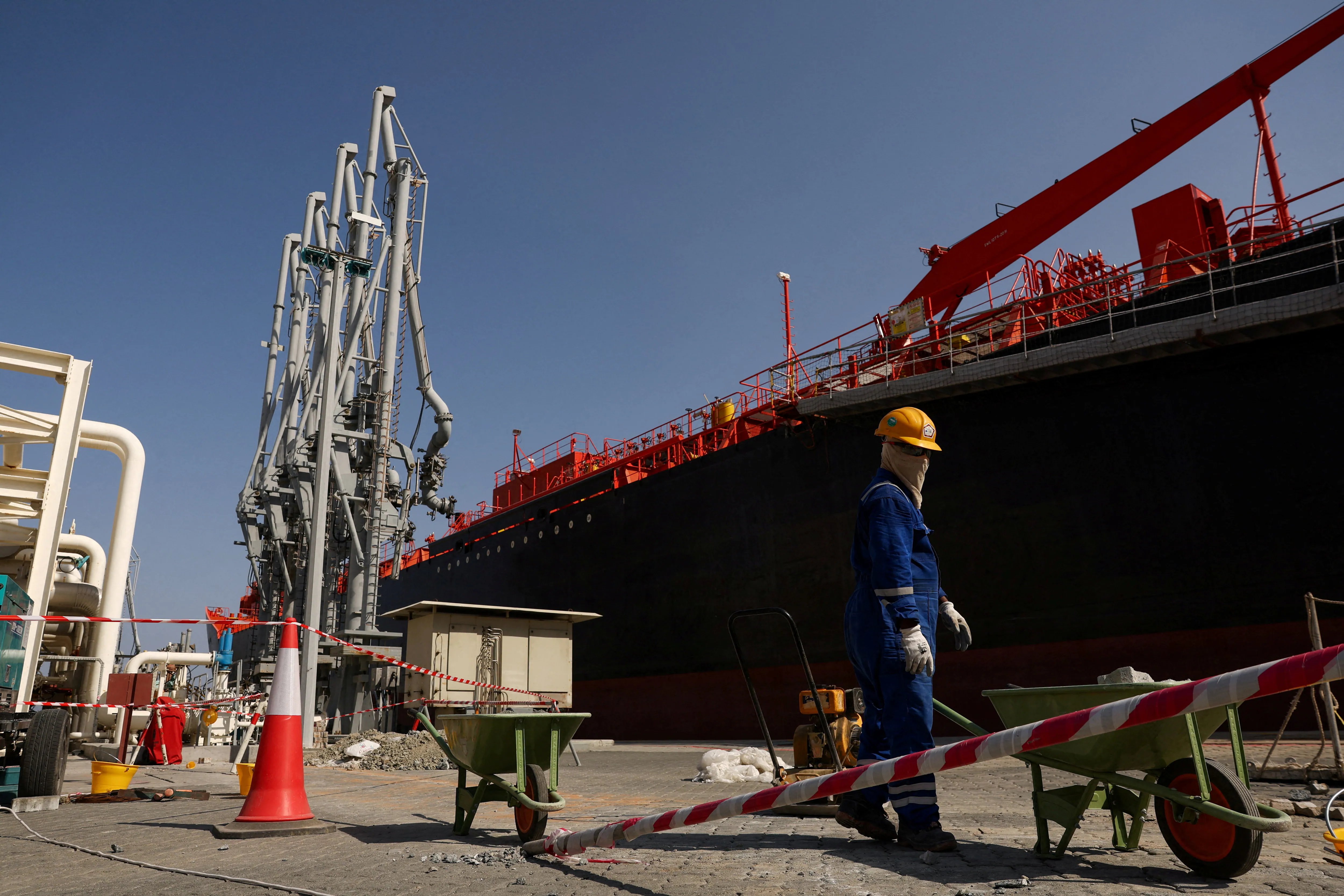
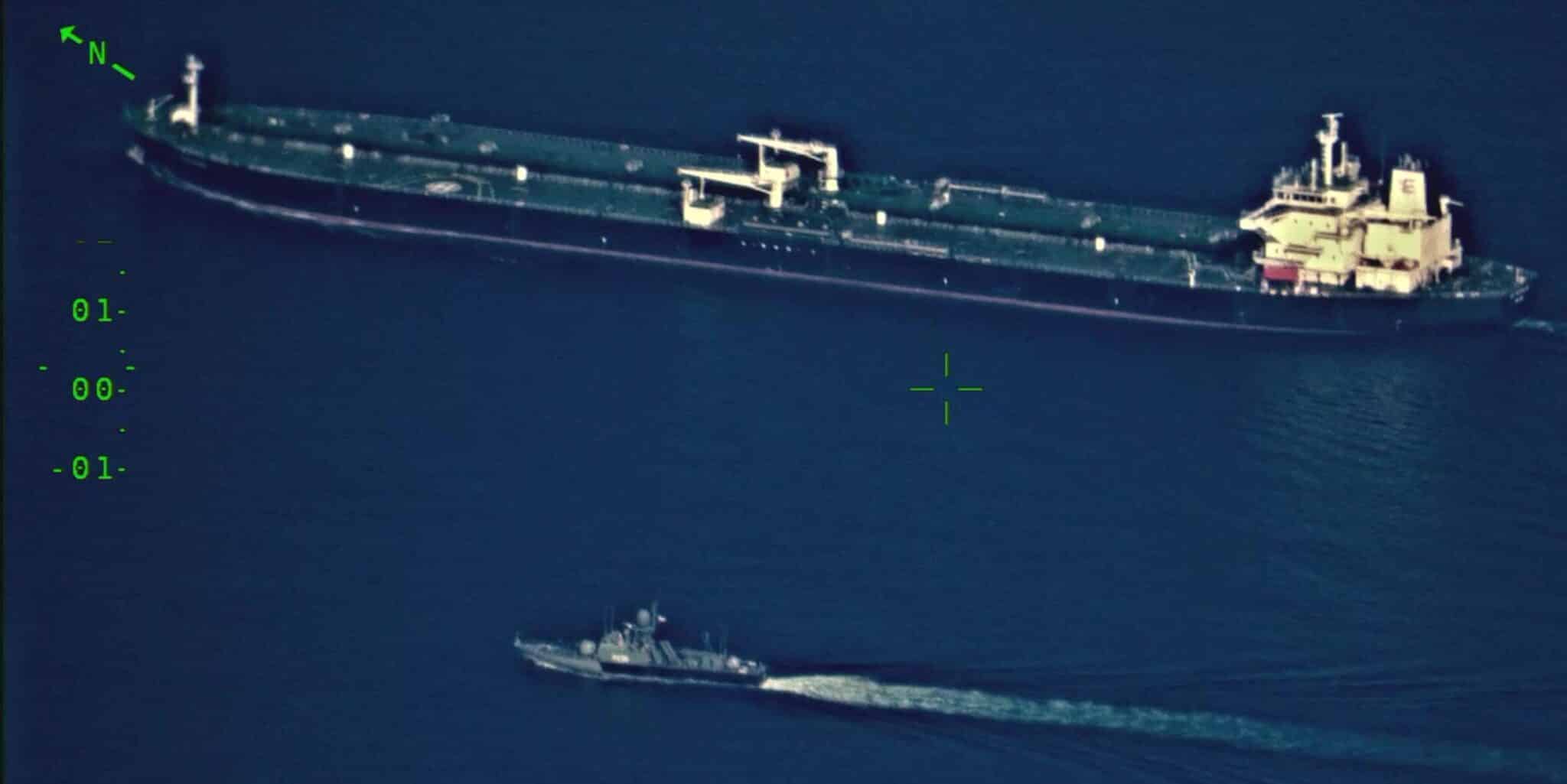
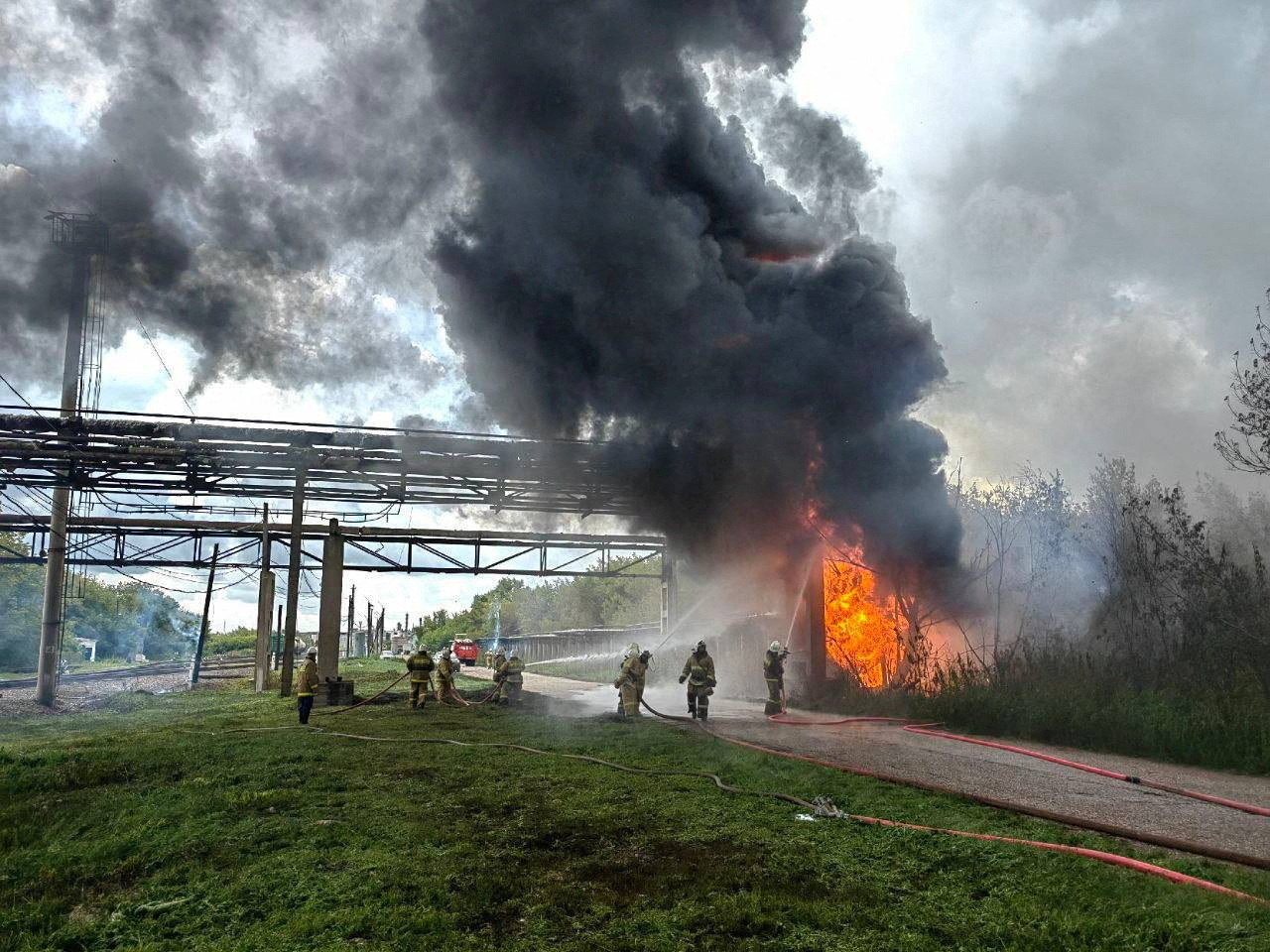
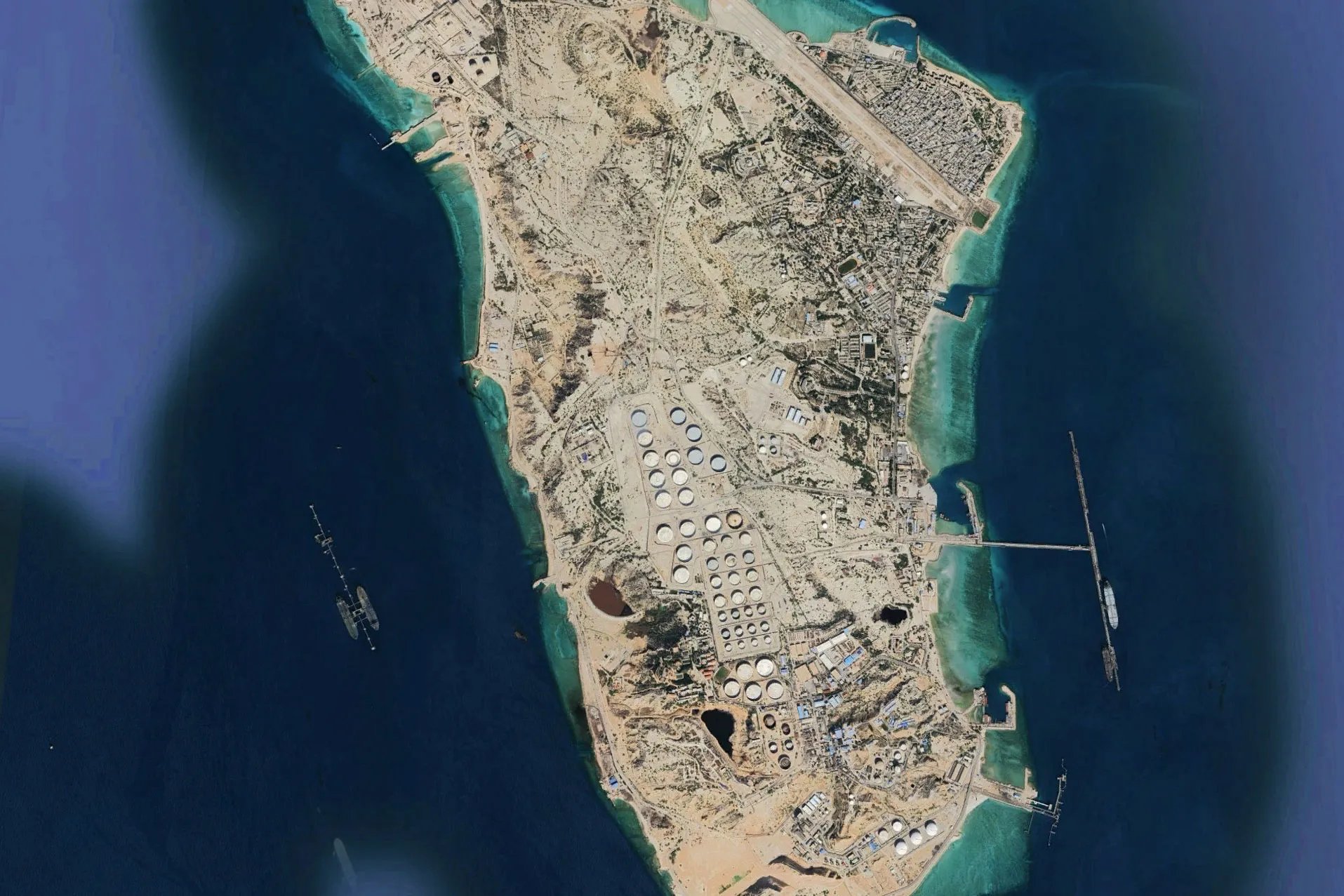
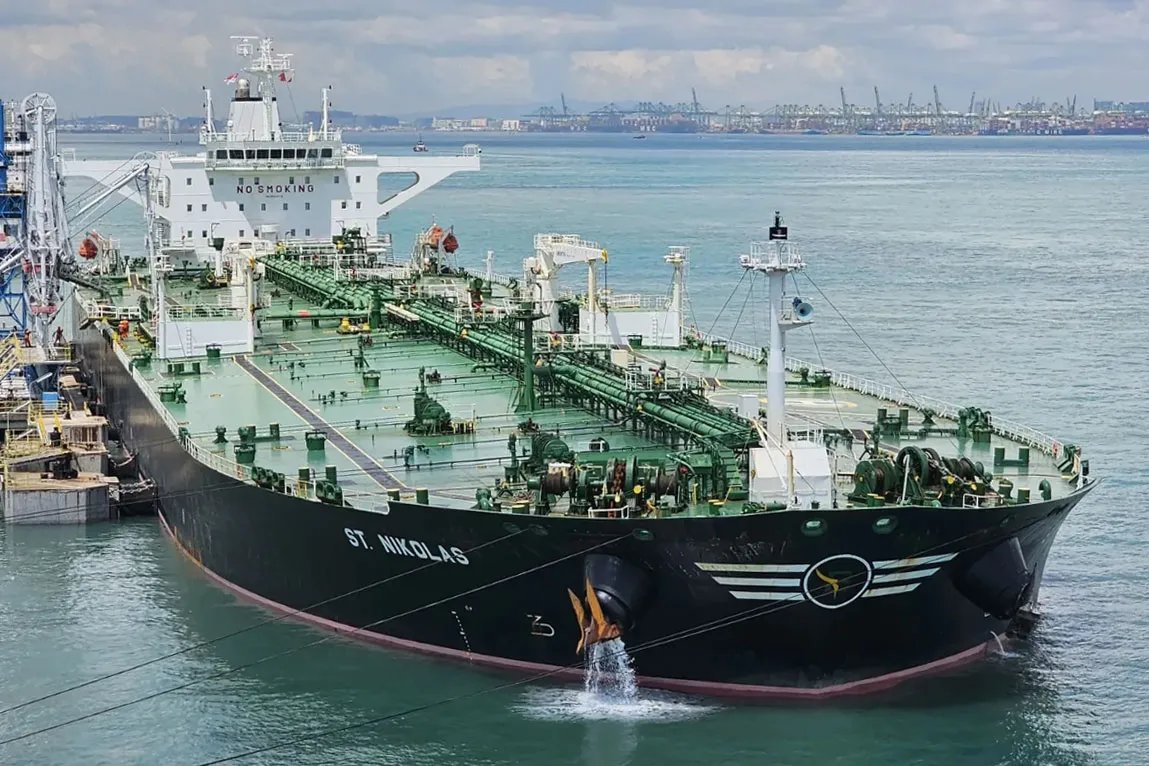
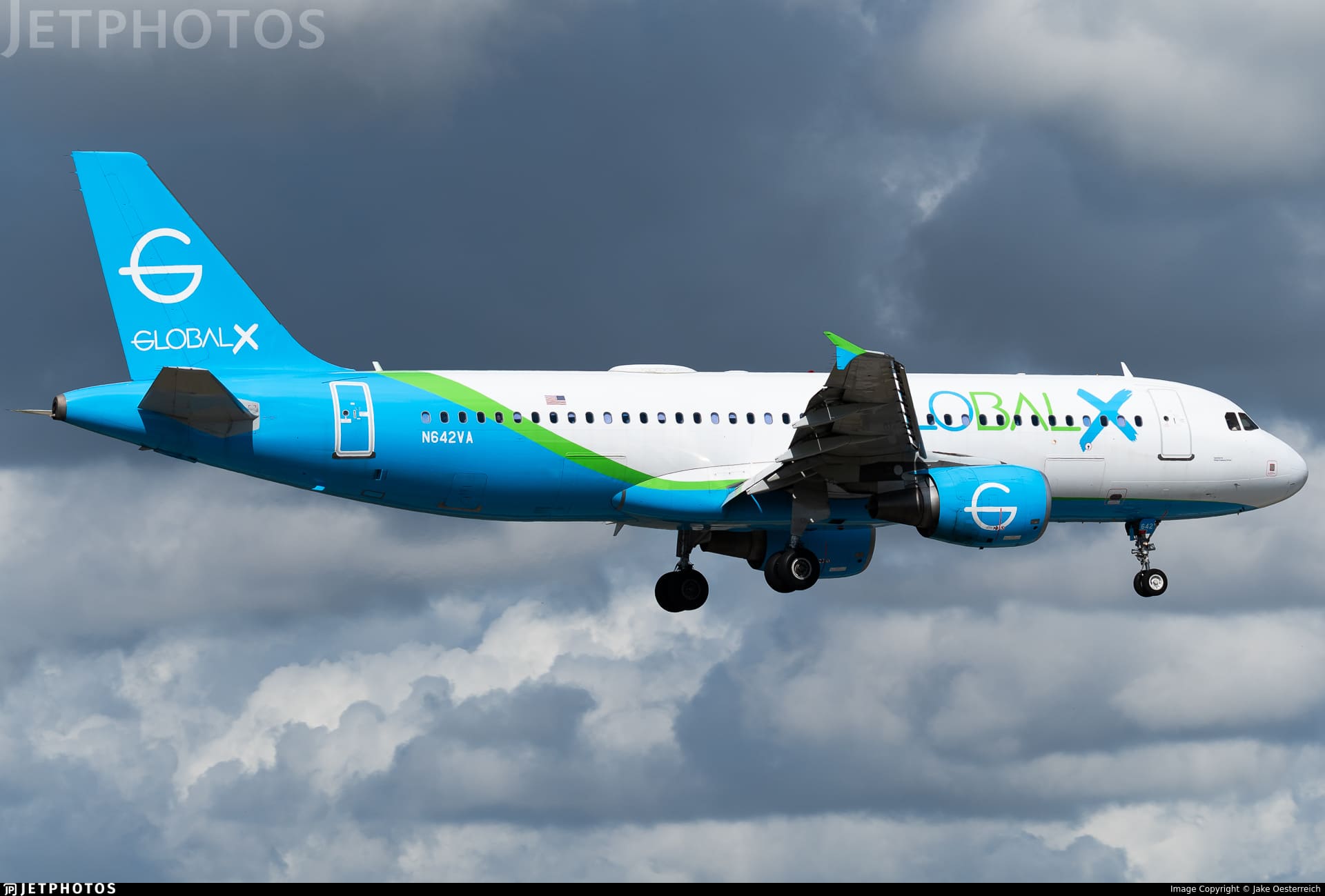
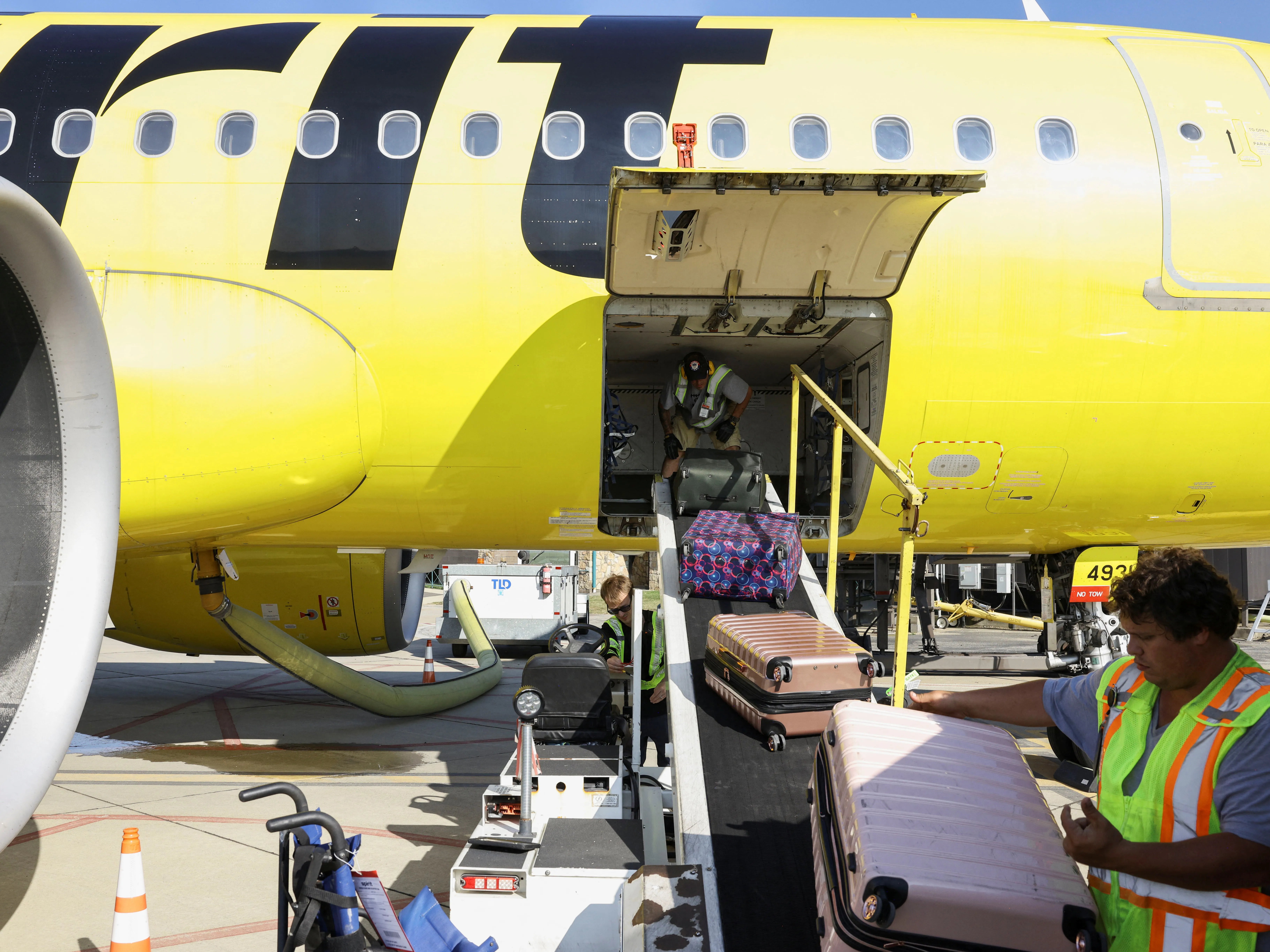
Oil prices have hit a two-week high as Iran talks stall and shipments through the Strait of Hormuz are delayed. Chevron CEO Mike Wirth said that "upward pressure" on oil prices is "likely to continue" due to the conflict. The war has removed significant supply from the market. The aviation industry is also expected to suffer from jet fuel shortages due to Iranian restrictions on shipping through the Strait of Hormuz, according to Wirth.
Renewable Energy Demand
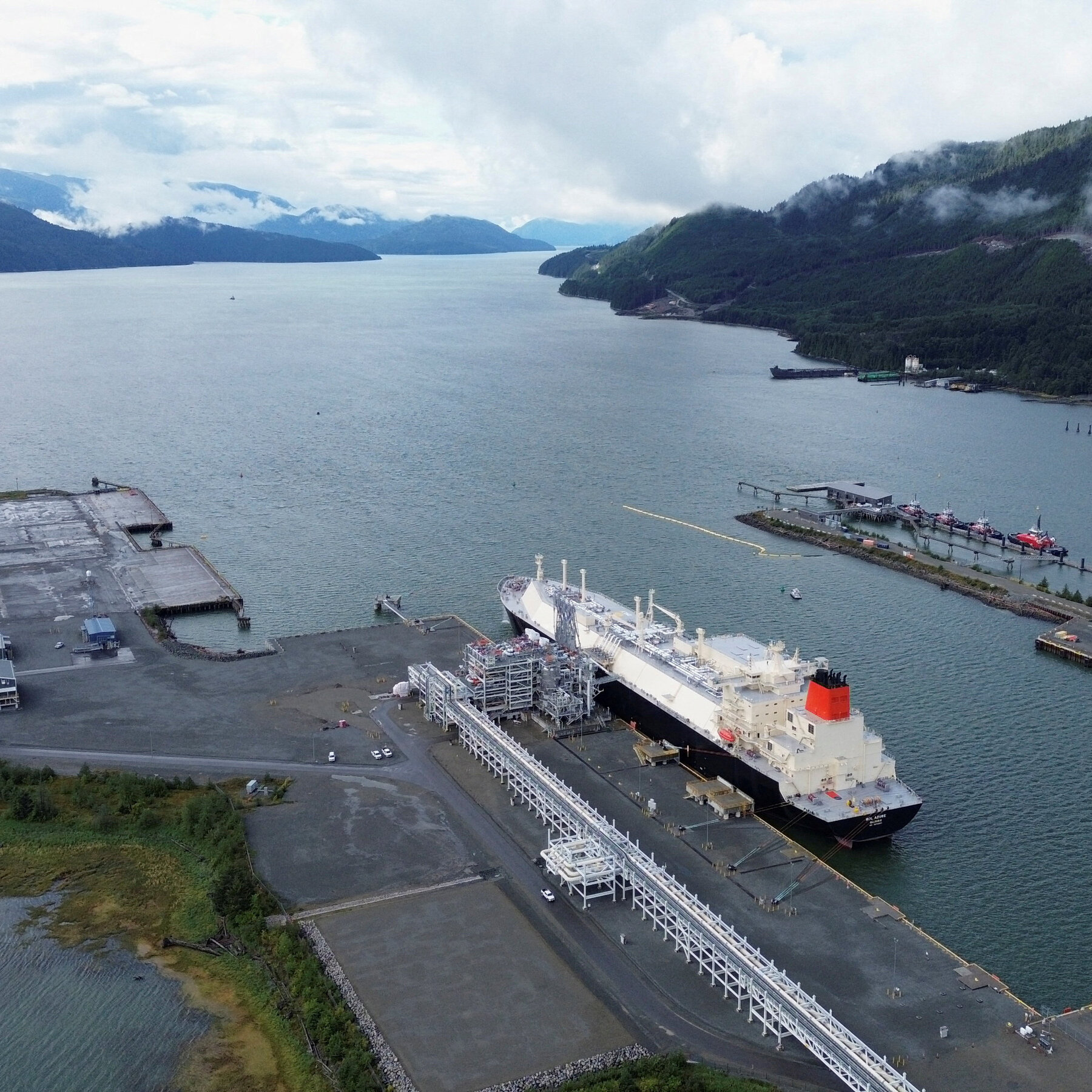
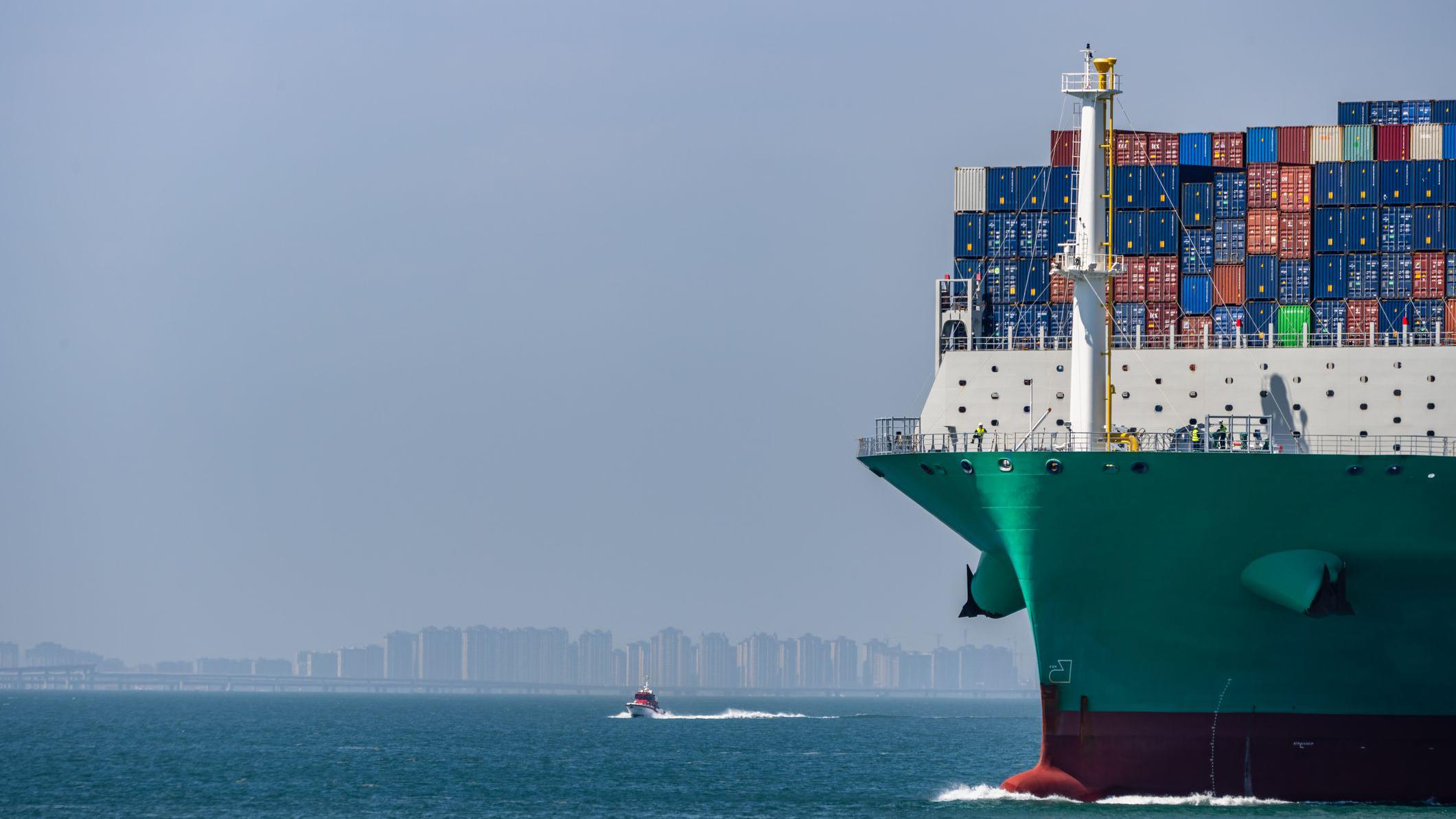
Orders for LNG tankers are gaining pace despite a mixed outlook resulting from the war.
Economic Impact on Gulf States
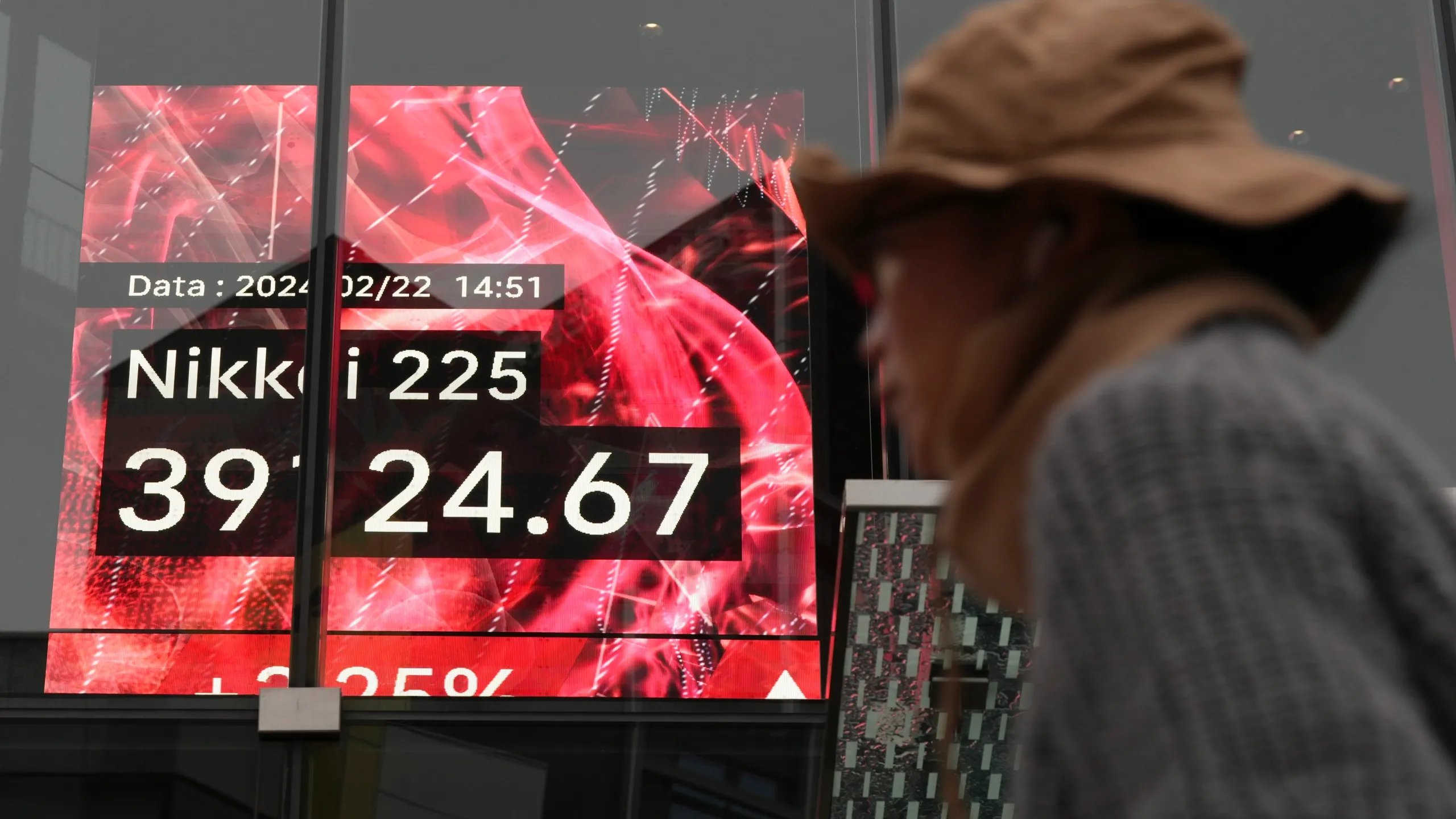
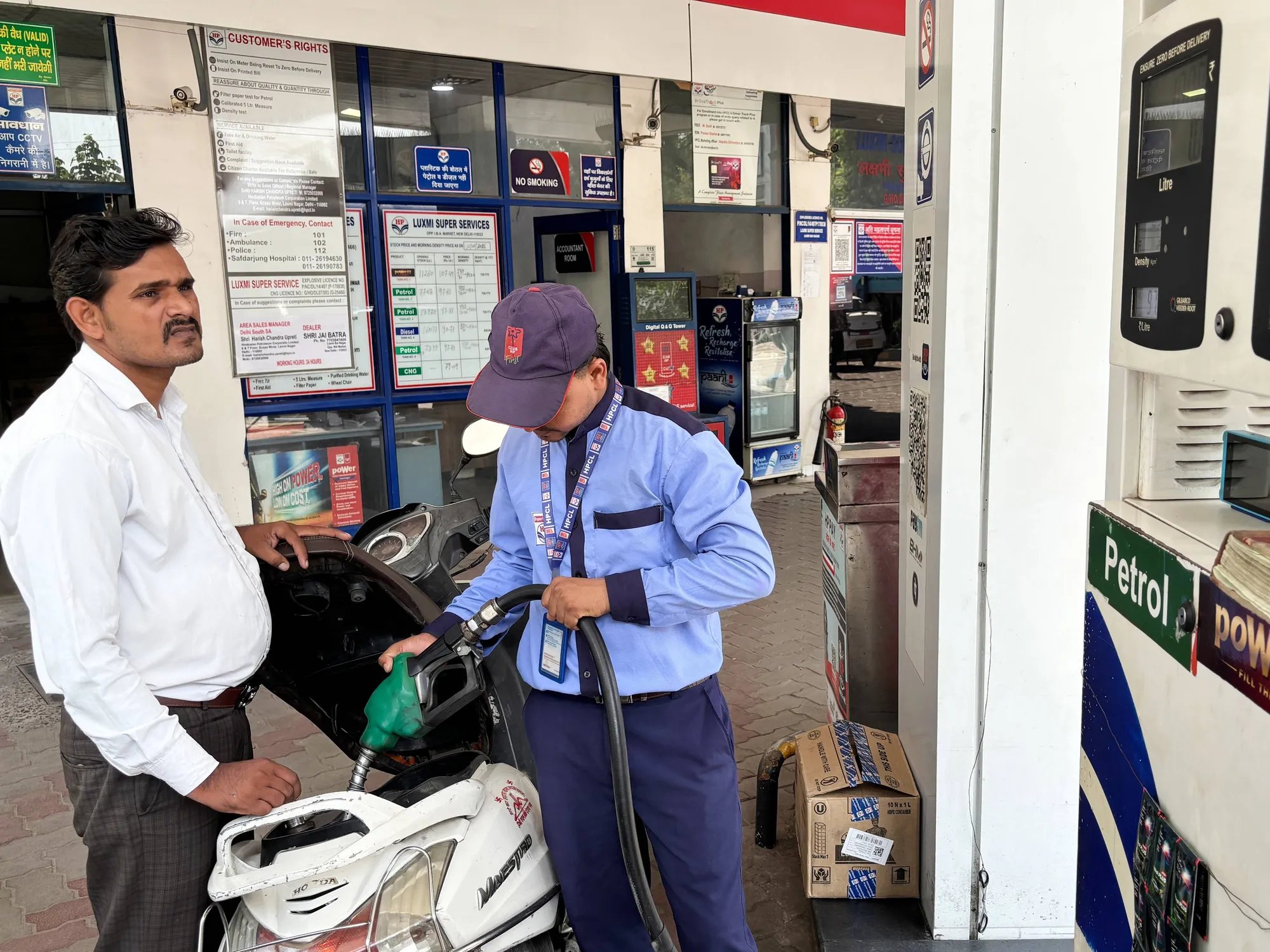
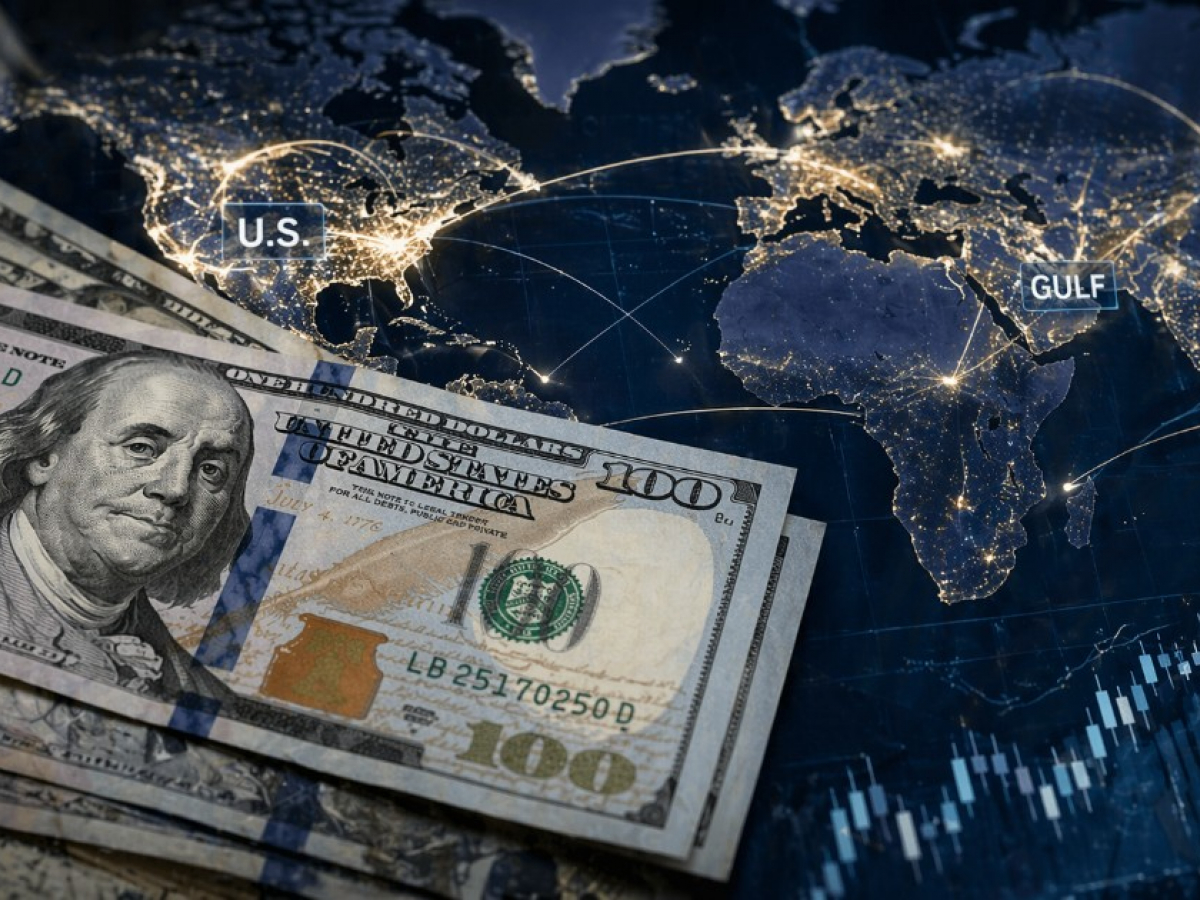
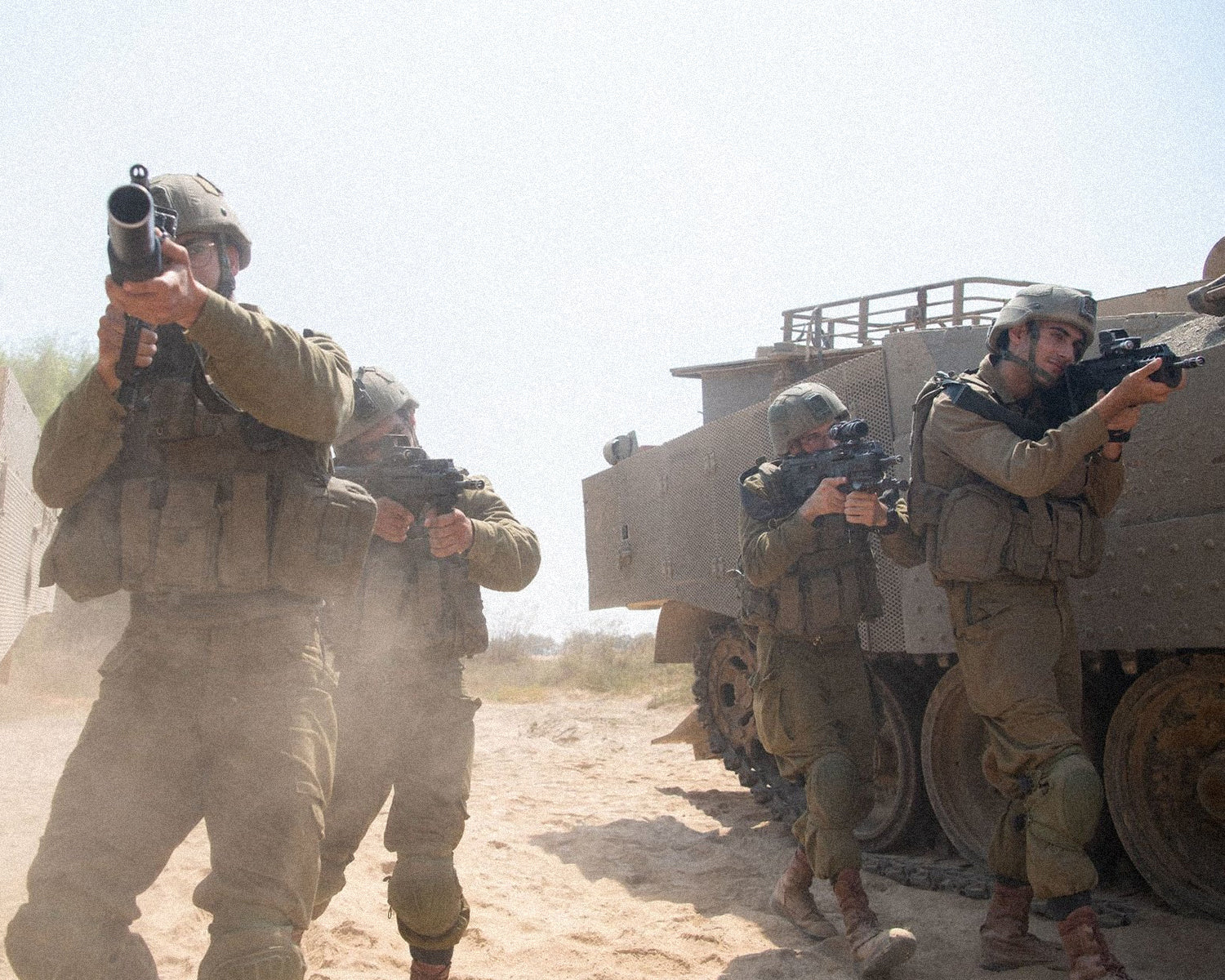
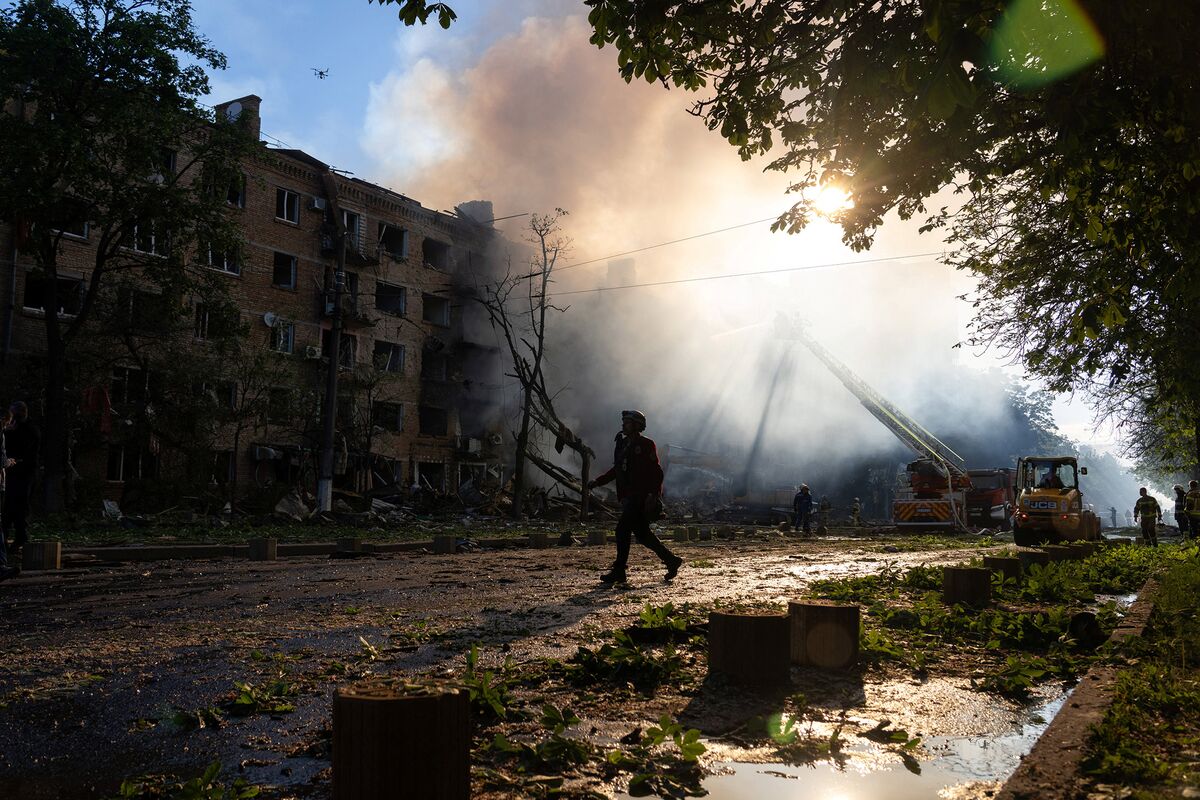
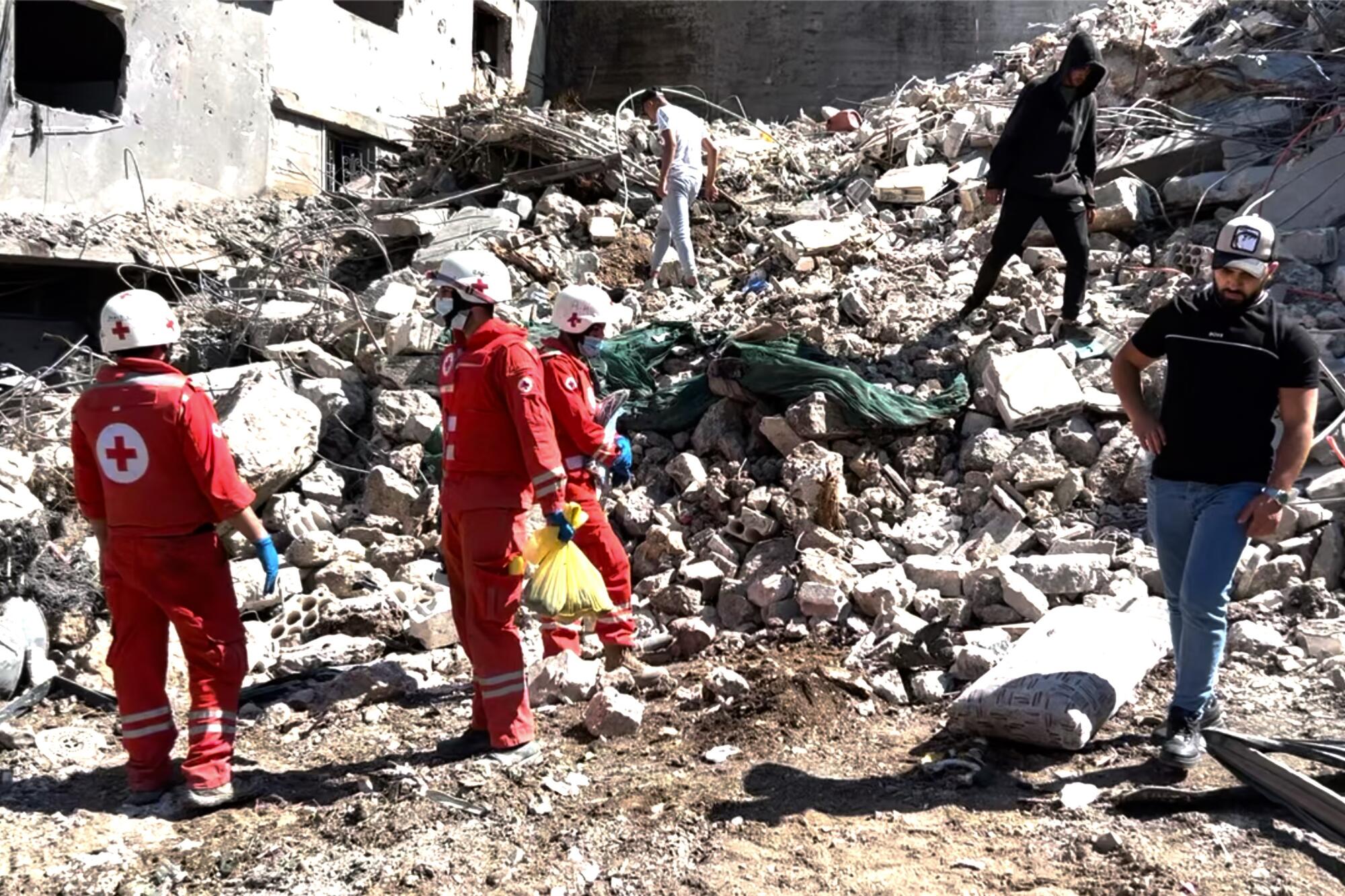
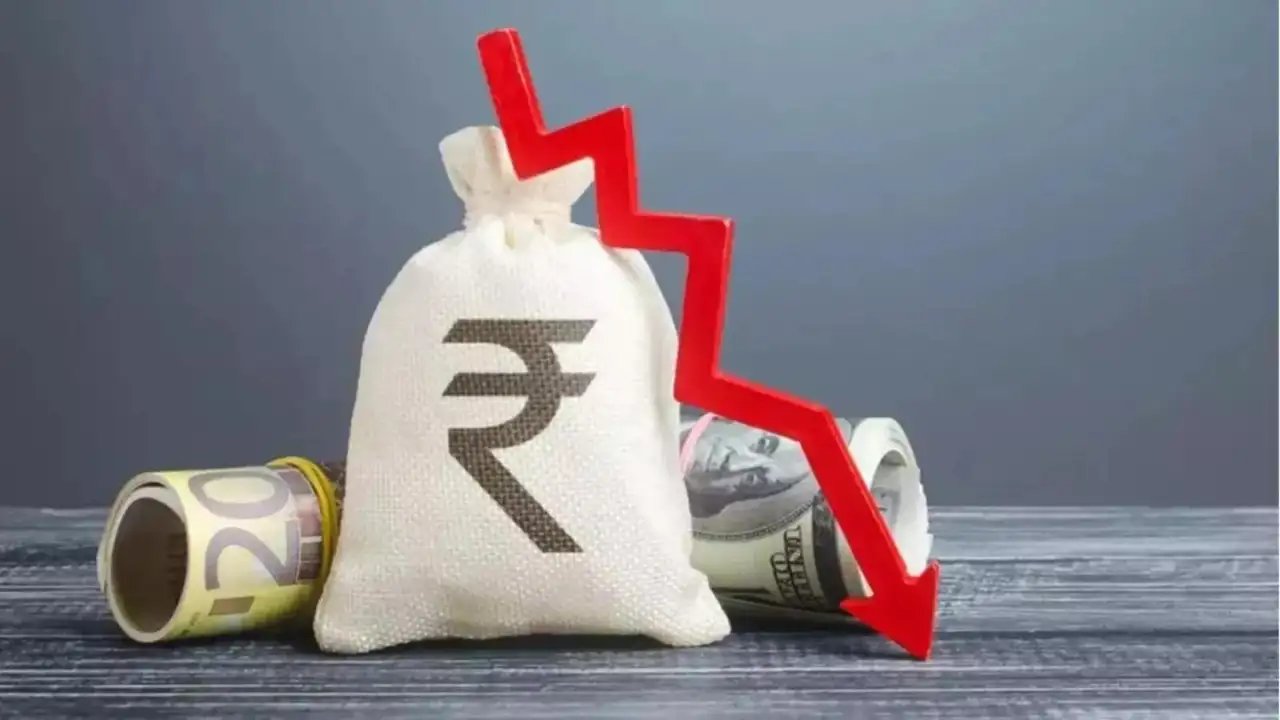
Gulf economies are heading for their worst crisis since the pandemic, as the war disrupts their energy lifeline. With rising fuel and food costs due to the U.S.-Israel war on Iran, an estimated 32.5 million people are at risk of poverty worldwide. The Bank of England is holding rates steady as it assesses the full impact of the Iran war. U.S. refiners' first-quarter profits are expected to jump as the war lifts fuel margins. The Iran war is causing a squeeze on fertilizer supplies, which could create problems for next year's grain harvests.
Geopolitical Implications
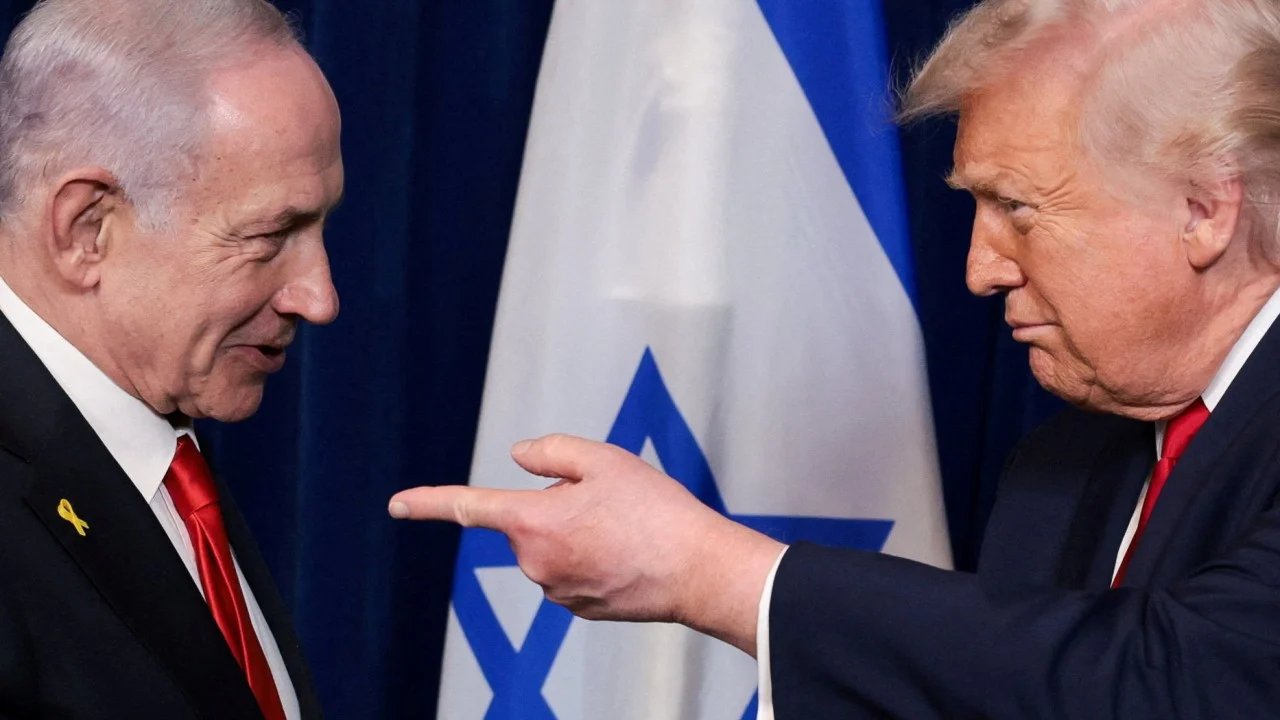
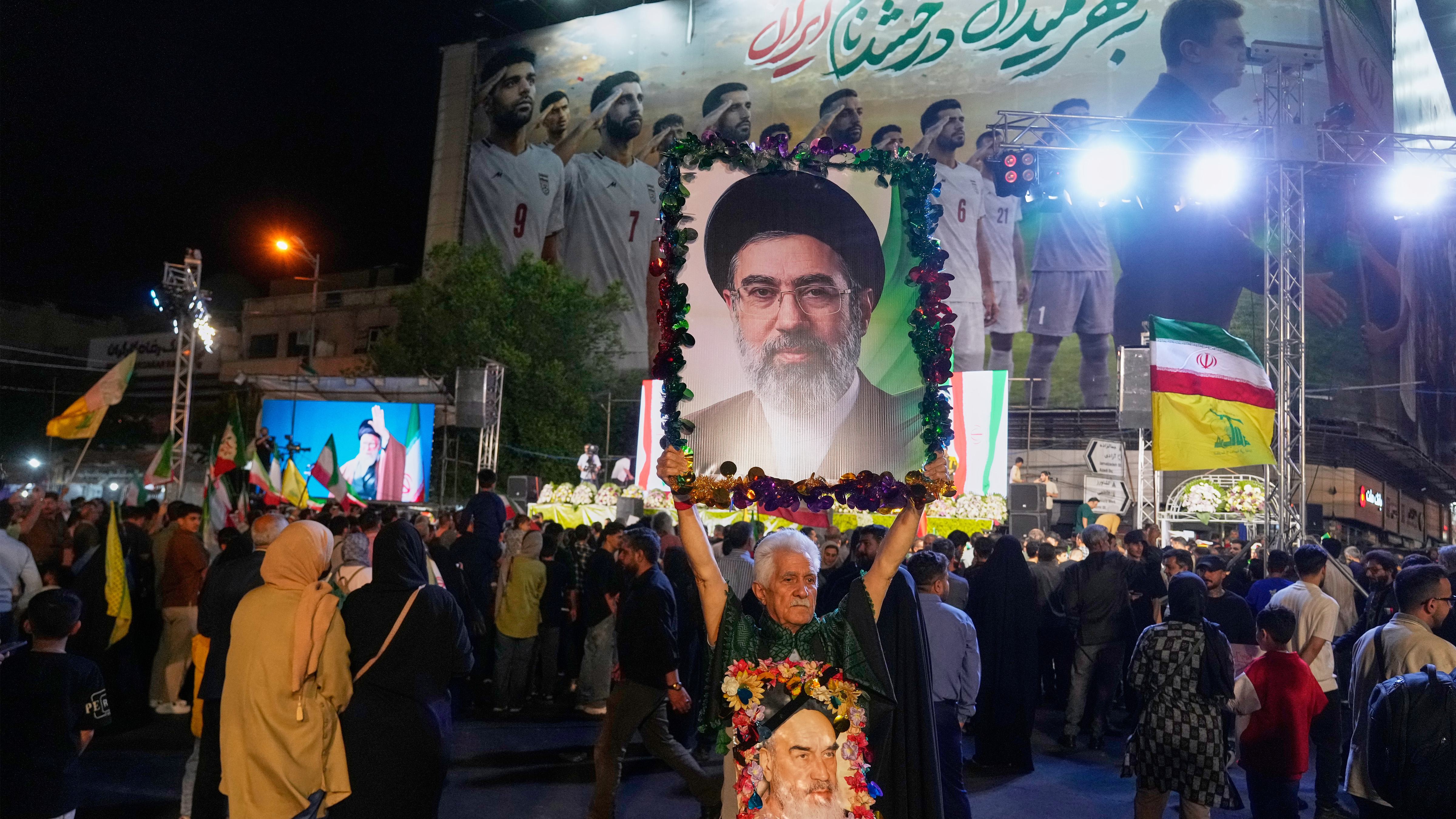
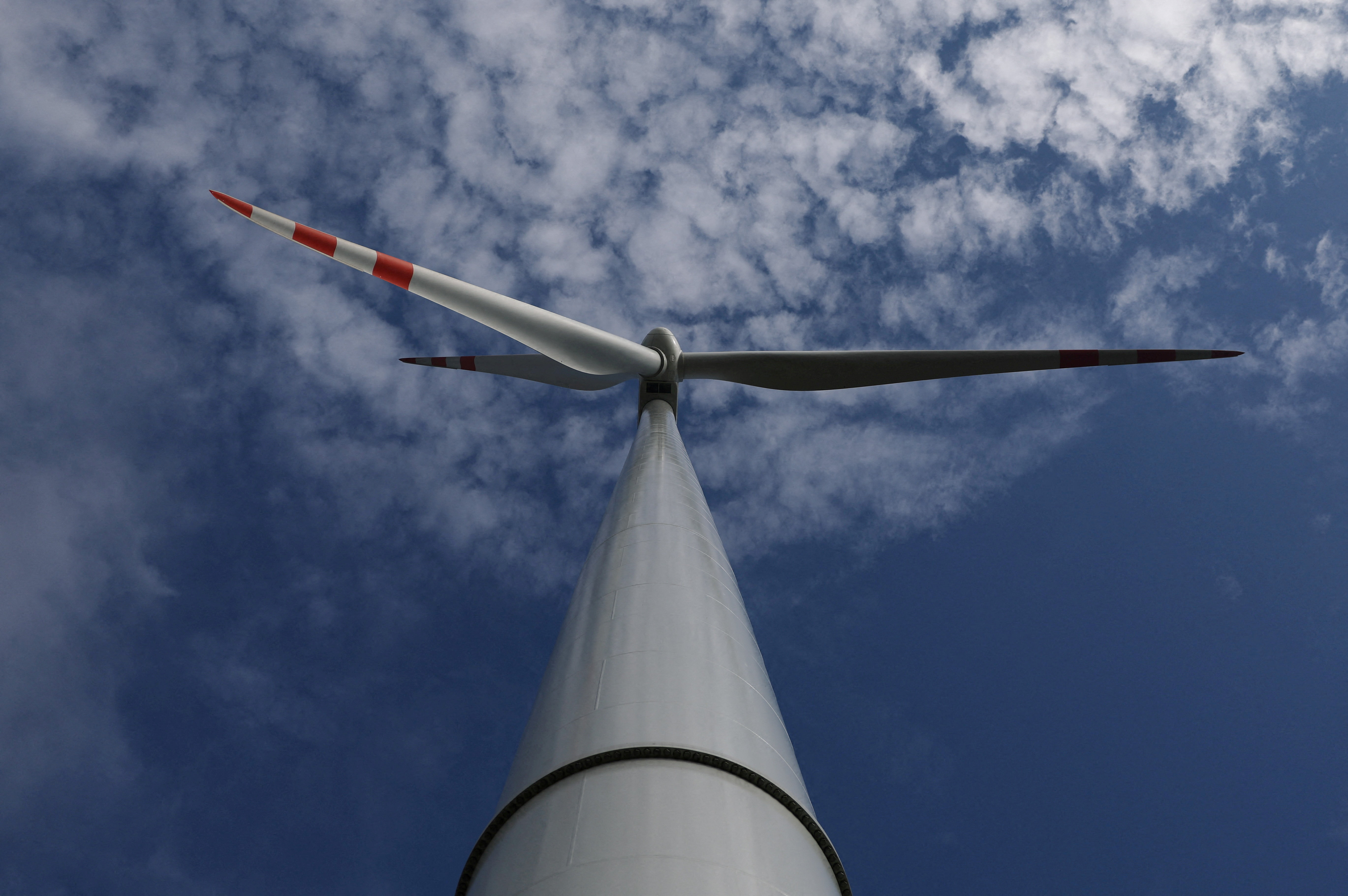
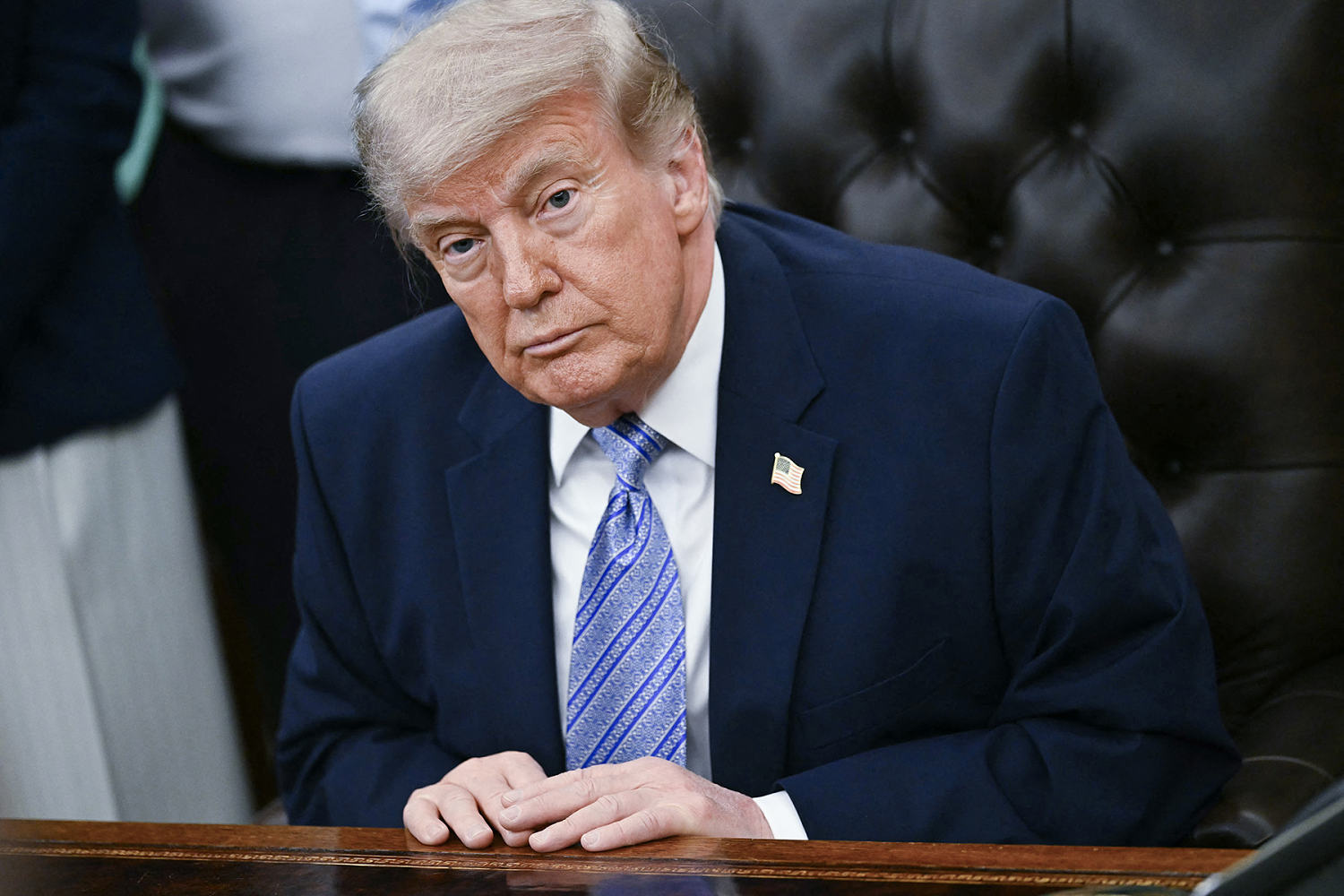
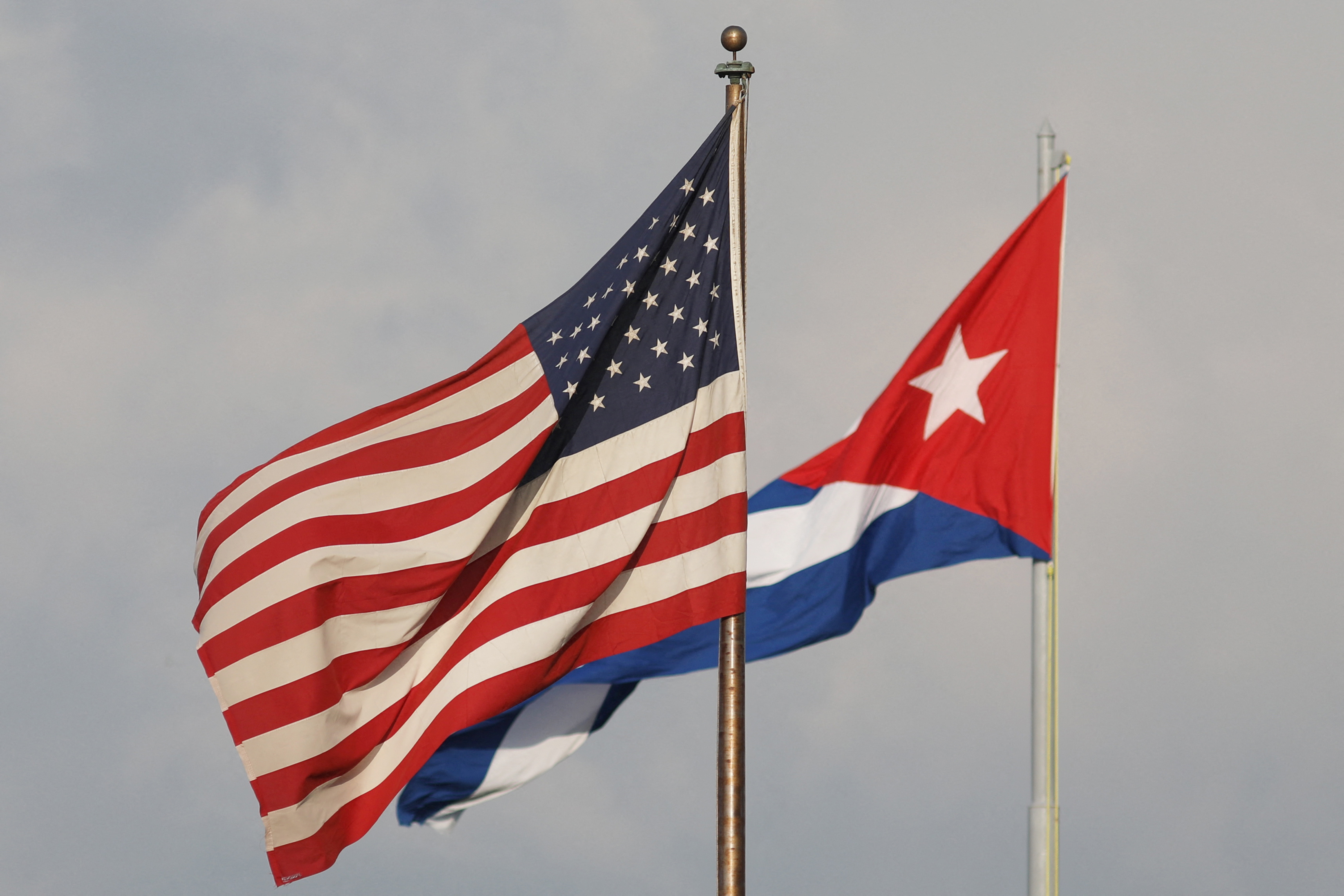
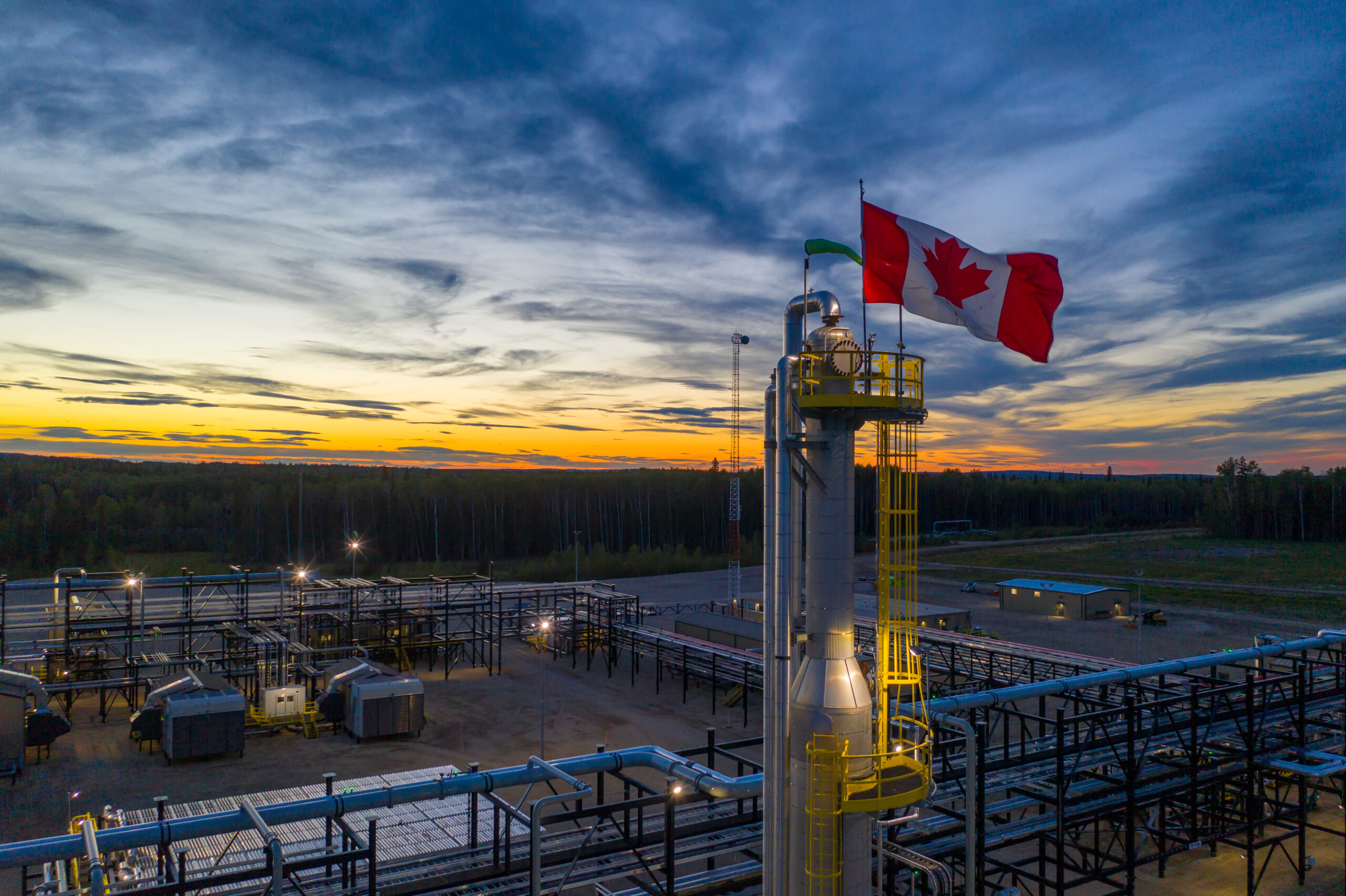
German politician Friedrich Merz stated that the U.S. lacks a clear exit strategy in its war with Iran. Iran has presented the U.S. with a proposal to reopen the Strait Of Hormuz and end the war. The conflict has exposed the energy market's weakness, driving a shift towards renewable energy and new pipeline projects in the Gulf. Gulf leaders are advancing plans for new bypass pipelines to safeguard their oil exports.