






Russian Withdrawal Confirmed
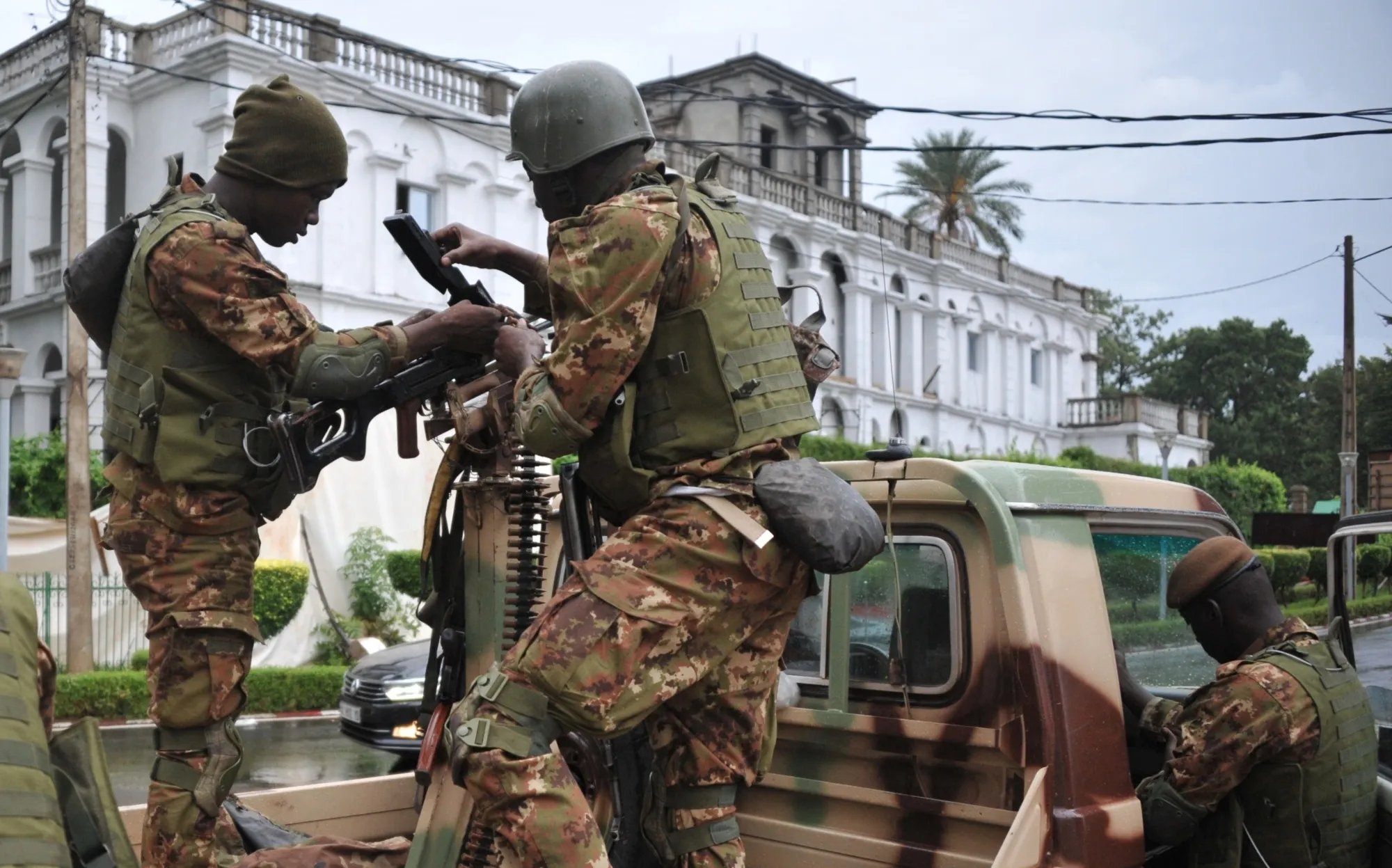
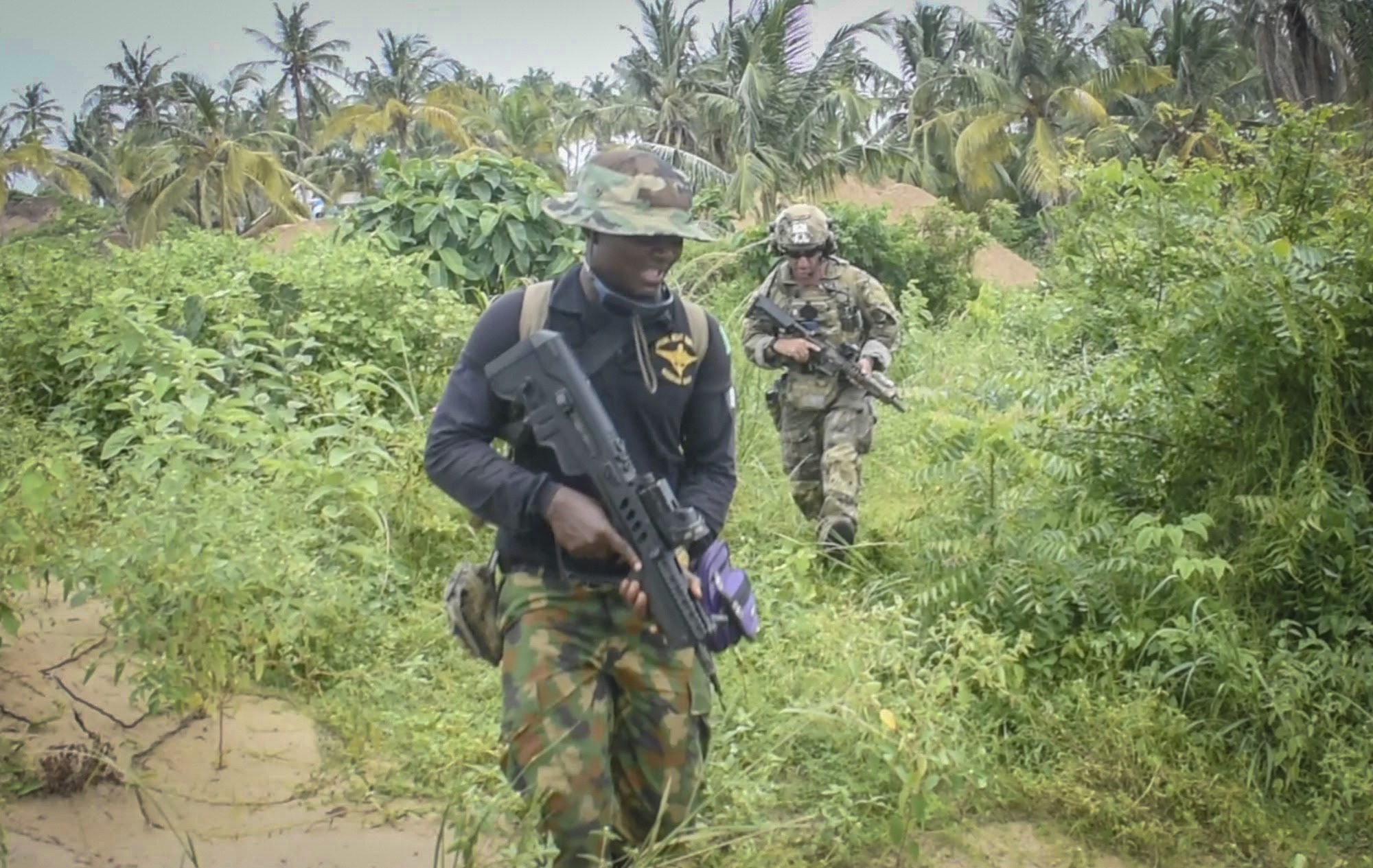
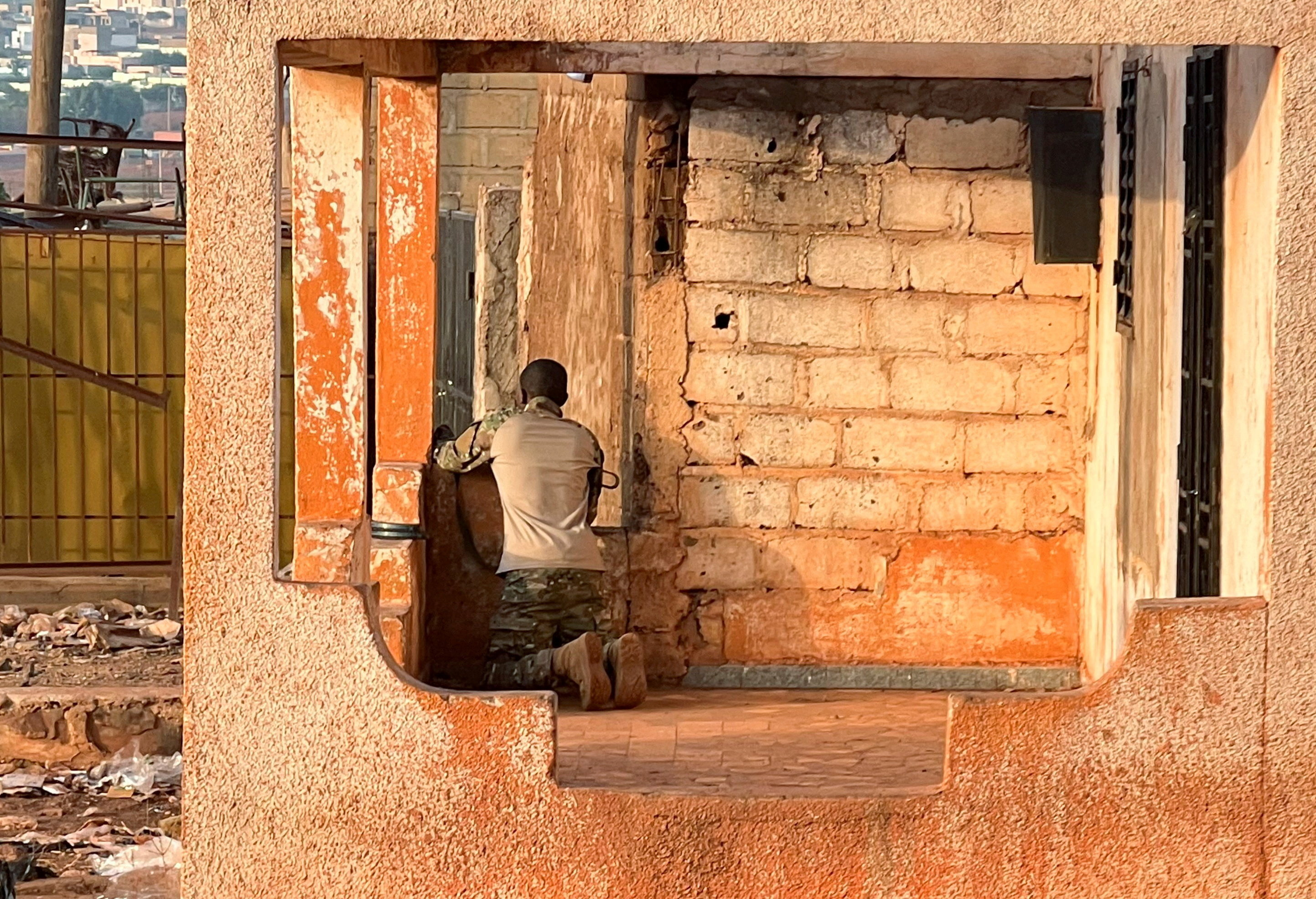
Russian Africa Corps confirmed its withdrawal from the northern city of Kidal, following intense fighting against jihadist and separatist forces. The separatist group, Azawad Liberation Front (FLA), stated they now control Kidal, declaring it "totally" free after coordinated attacks across Mali. Reports indicate that Russian troops, who have been aiding the Malian military since their deployment in 2025, left alongside Malian forces, further complicating the security landscape in the region.
Significant Military Loss for Russia
The Africa Corps, previously known as the Wagner Group, faced overwhelming opposition during the weekend assaults, with reports suggesting they were outnumbered by a ratio of 6 to 1. Analysts estimate that between 10,000 and 12,000 fighters from the FLA and jihadist groups participated in the attacks. Ulf Laessing, head of the Sahel program at the Konrad Adenauer Foundation, called the defeat a major blow to Russia and a turning point for Moscow's influence in West Africa. He emphasized that the mercenaries lacked the intelligence needed to protect key urban areas effectively.
Casualties and Political Fallout
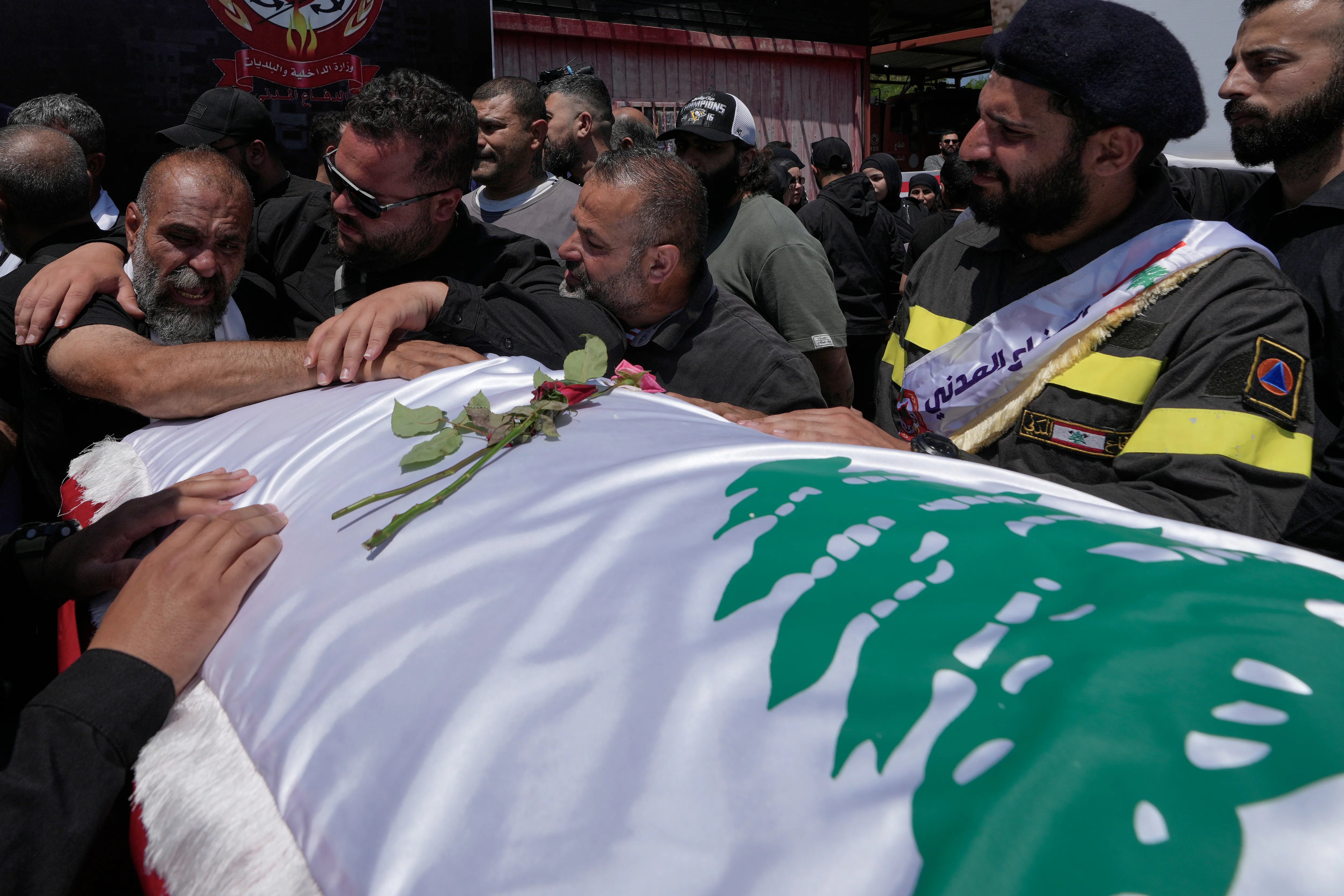
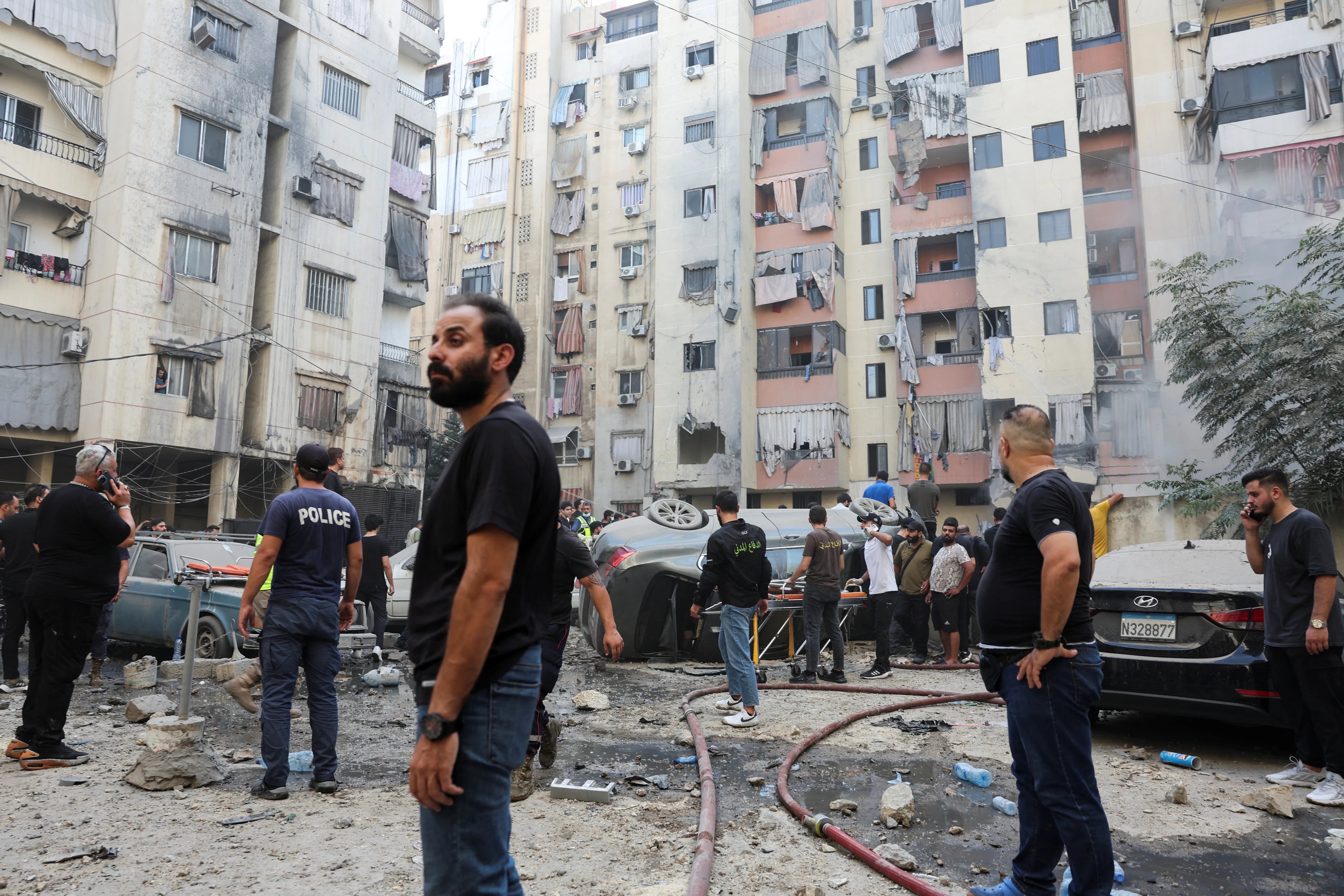
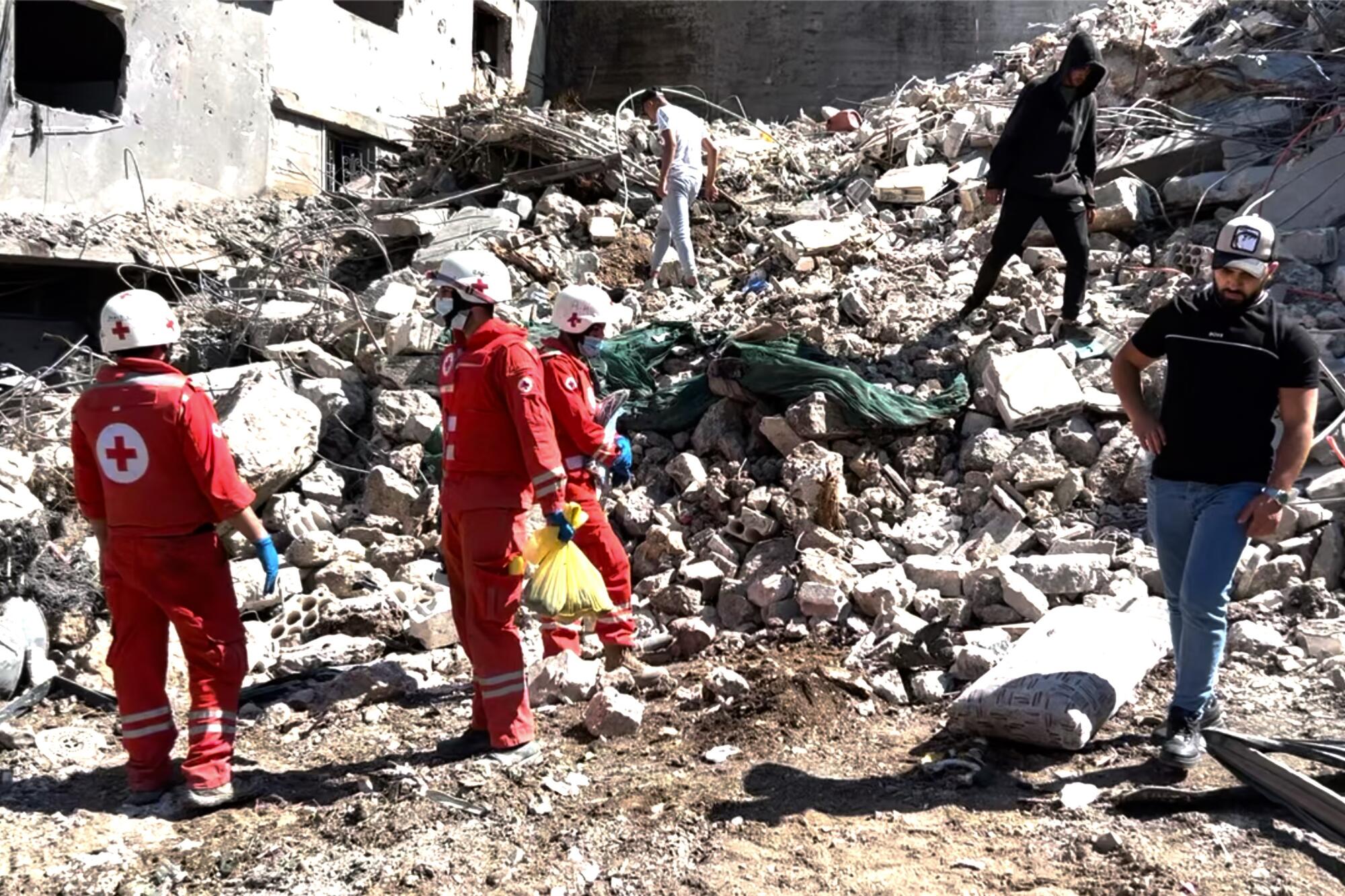
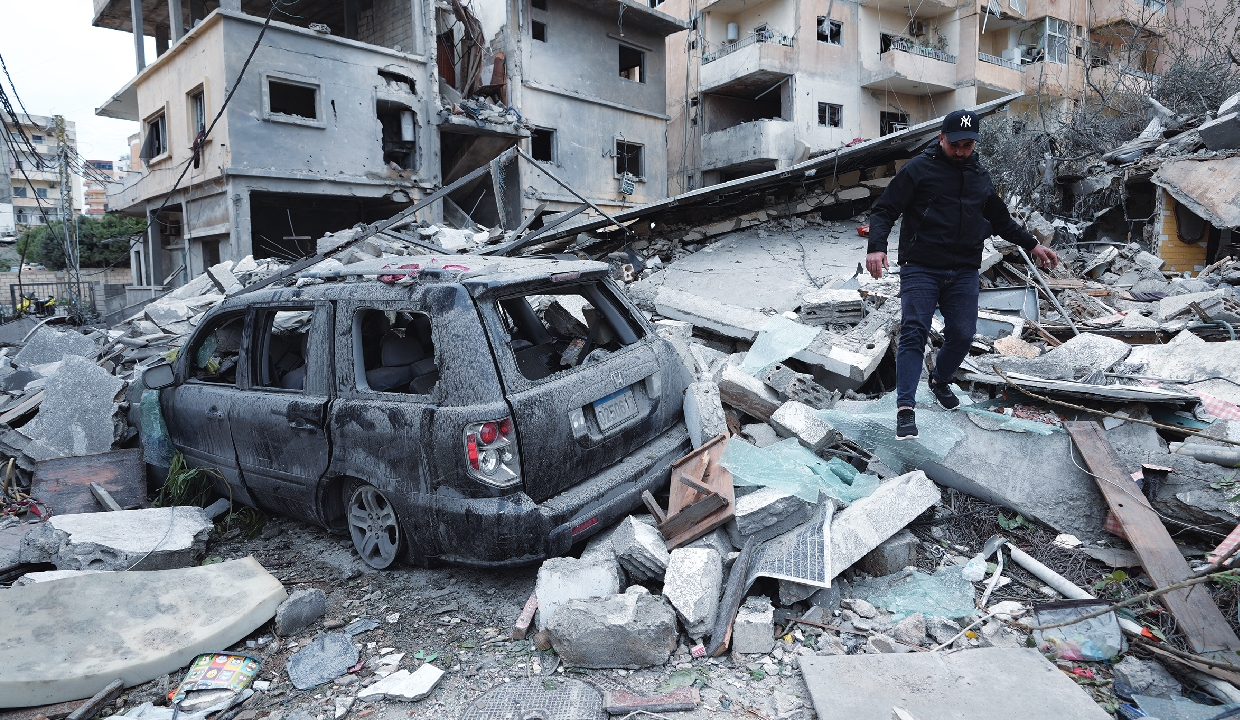
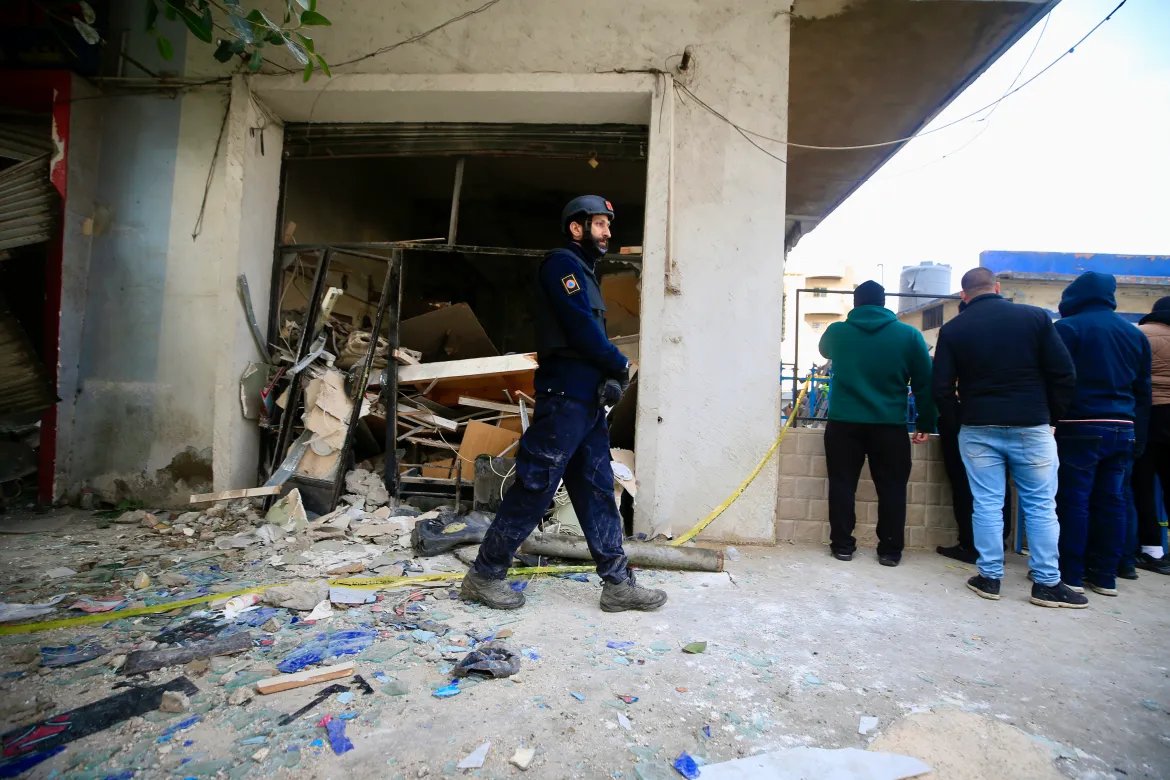
The violence has not only impacted Russian forces but also resulted in significant casualties within Mali's military junta. Defense Minister Sadio Camara was killed during a suicide bombing, while Chief of the Armed Forces General Oumar Diarra and National Security Agency Director General Modibo Koné were reported injured. The attacks highlight the ongoing instability in Mali, where both separatist and jihadist groups continue to challenge the authority of the junta, which has been in power since a coup in 2020.
Broader Implications for Russian Influence
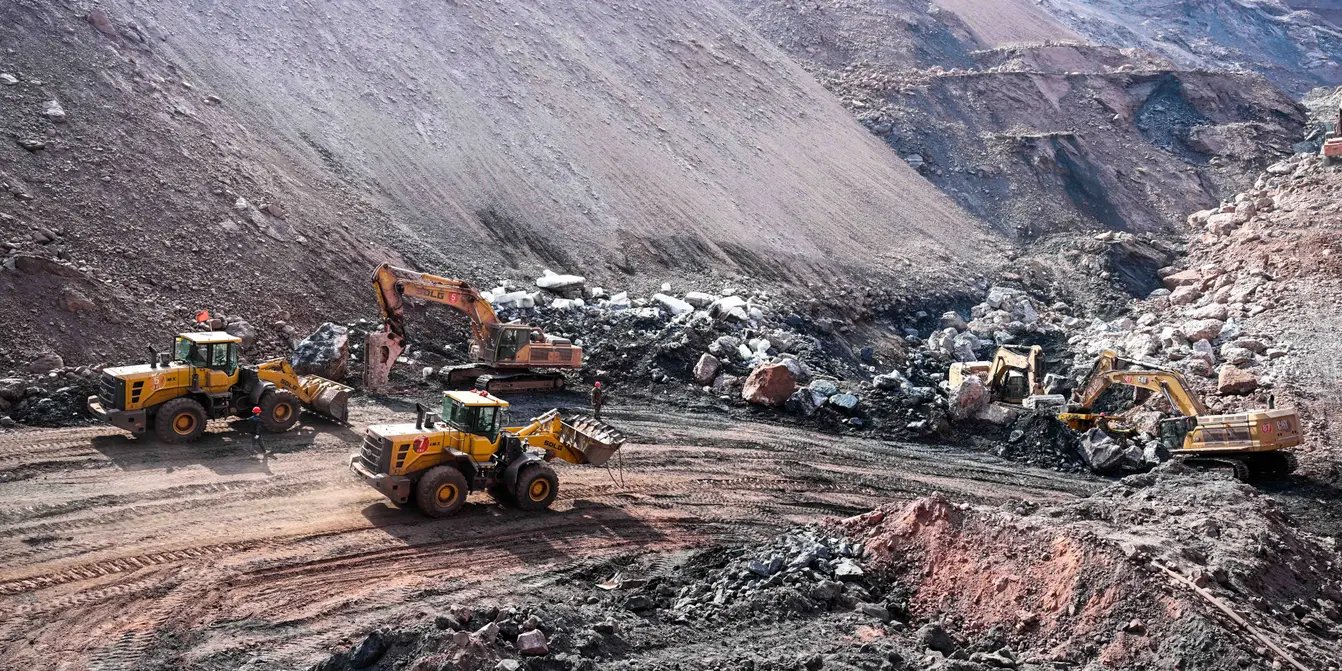
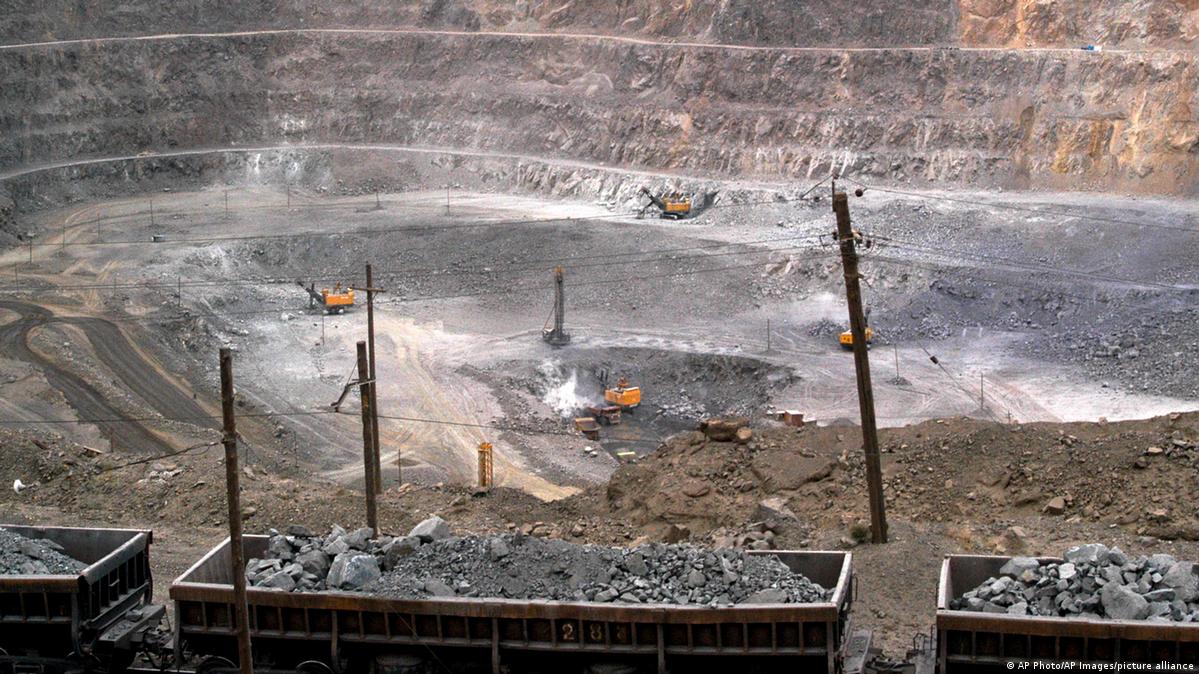
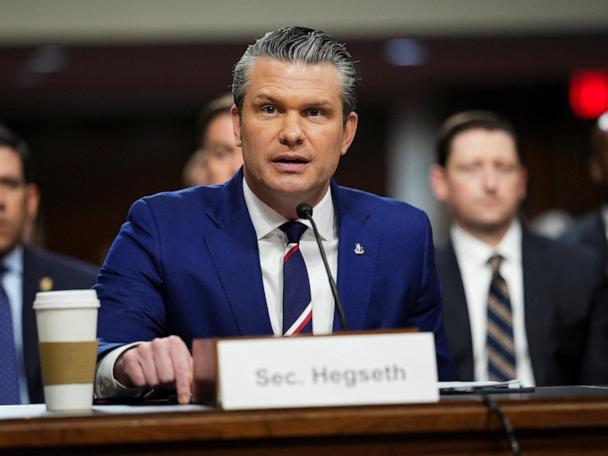
Russia has sought to establish a foothold in the region through military support in exchange for access to valuable resources like gold and uranium. However, the recent events could jeopardize these ambitions as local populations increasingly resist foreign military presence. A spokesperson for the U.S. State Department condemned the attacks, reinforcing American support for the Malian government amidst rising threats.
Ongoing Violence and Regional Stability
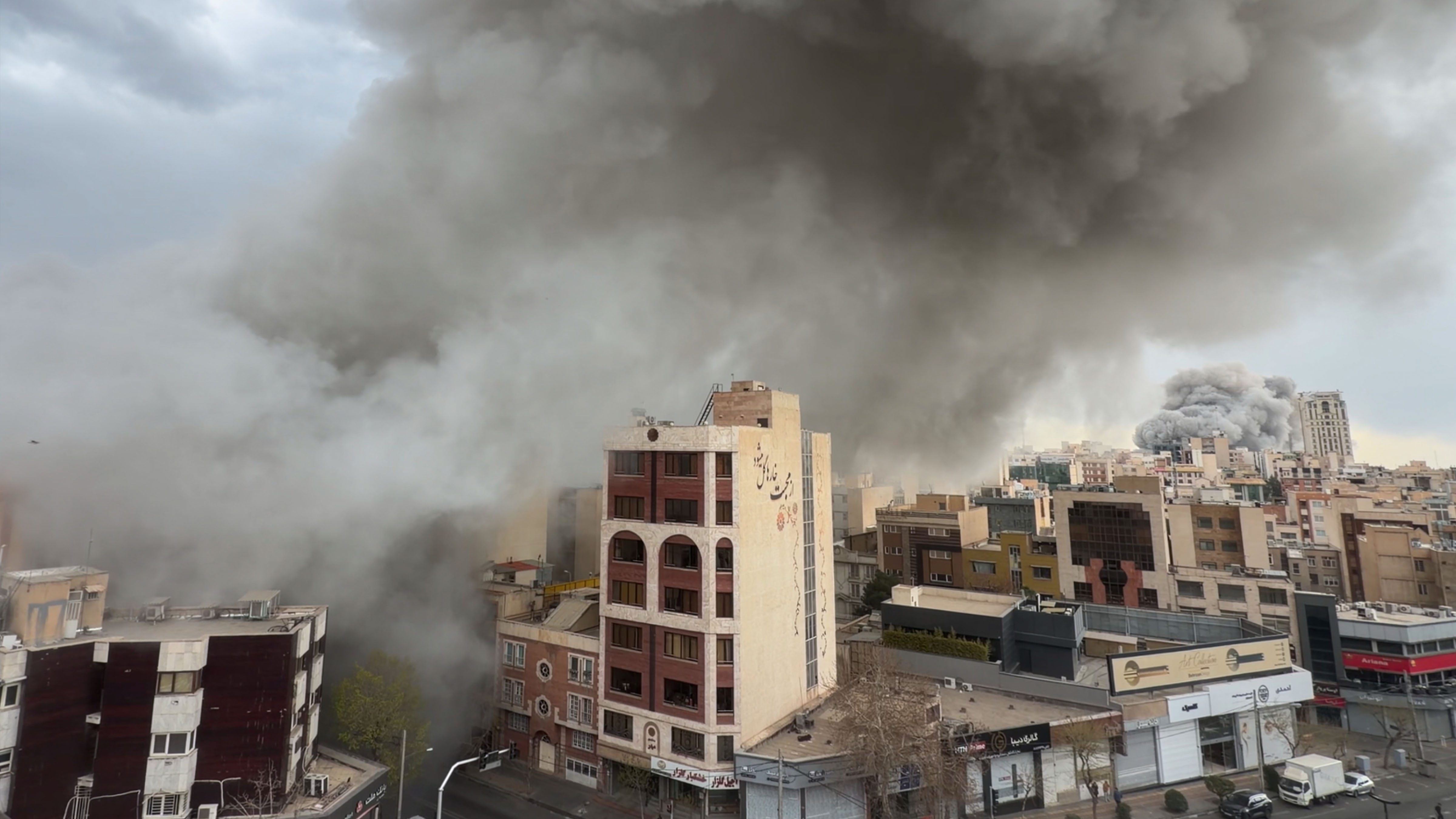
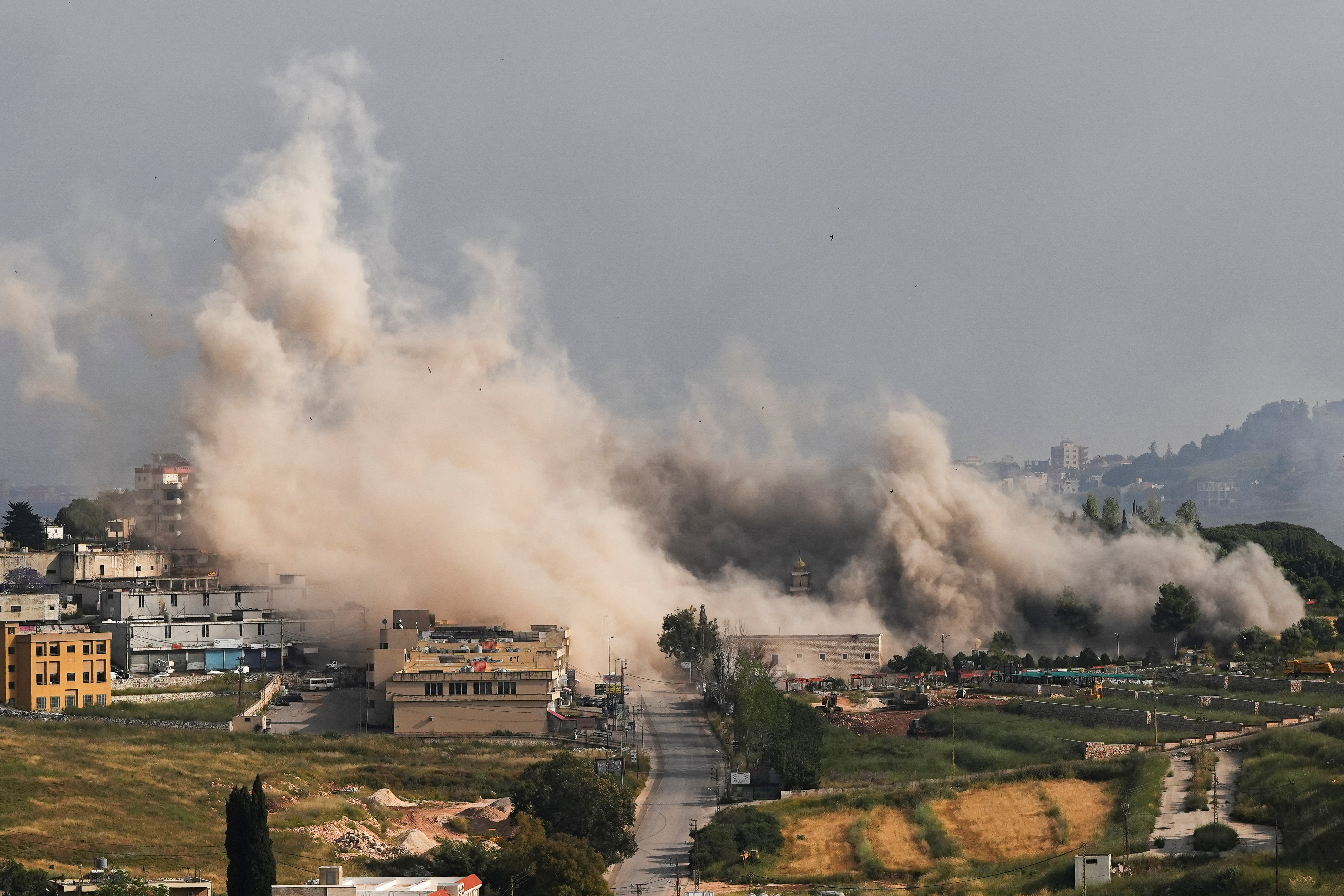
Following the withdrawal from Kidal, fighting has reportedly spread to other areas, including the towns of Tessit and Gao. The jihadist group Jama'at Nusrat al-Islam wal-Muslimin (JNIM) claimed that Malian forces in Tessit surrendered, allowing them to take control of the area. The situation remains precarious, with the Mali government struggling to regain control over territories previously secured with Russian assistance. The Alliance of Sahel States condemned the attacks as a "monstrous plot," suggesting external forces may be exacerbating the conflict.
Next Steps for Mali and International Community
As Mali faces escalating violence and a power vacuum following the withdrawal of Russian forces, the international community is urged to reevaluate its approach to supporting stability in the region. With the United States reaffirming its commitment to Mali, it remains crucial for international actors to coordinate efforts to address the underlying issues fueling insurgency and unrest. The future of Mali's governance and security will depend heavily on the junta's ability to regain control and effectively counteract the threats posed by both jihadist and separatist factions.



































































































































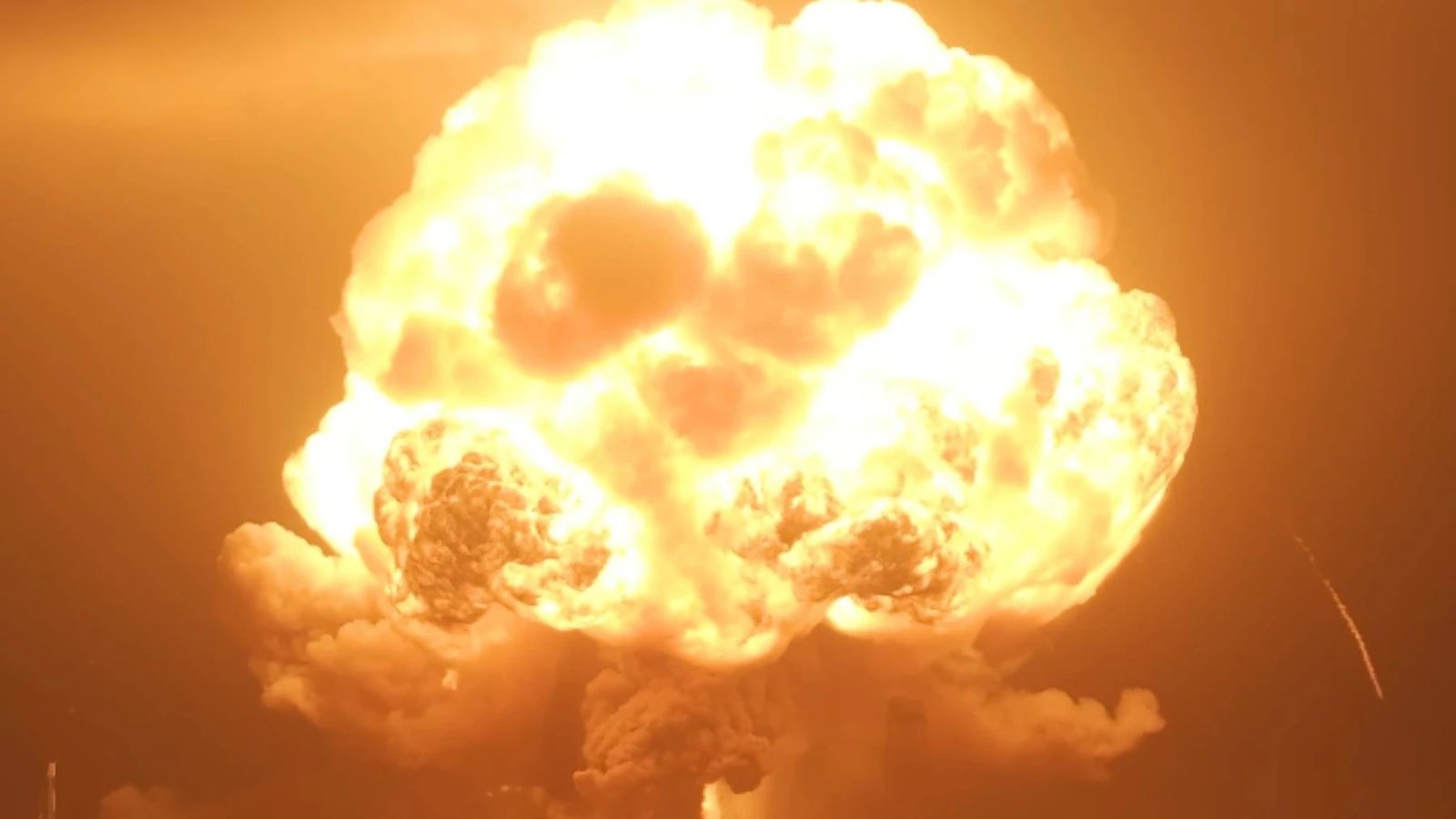













































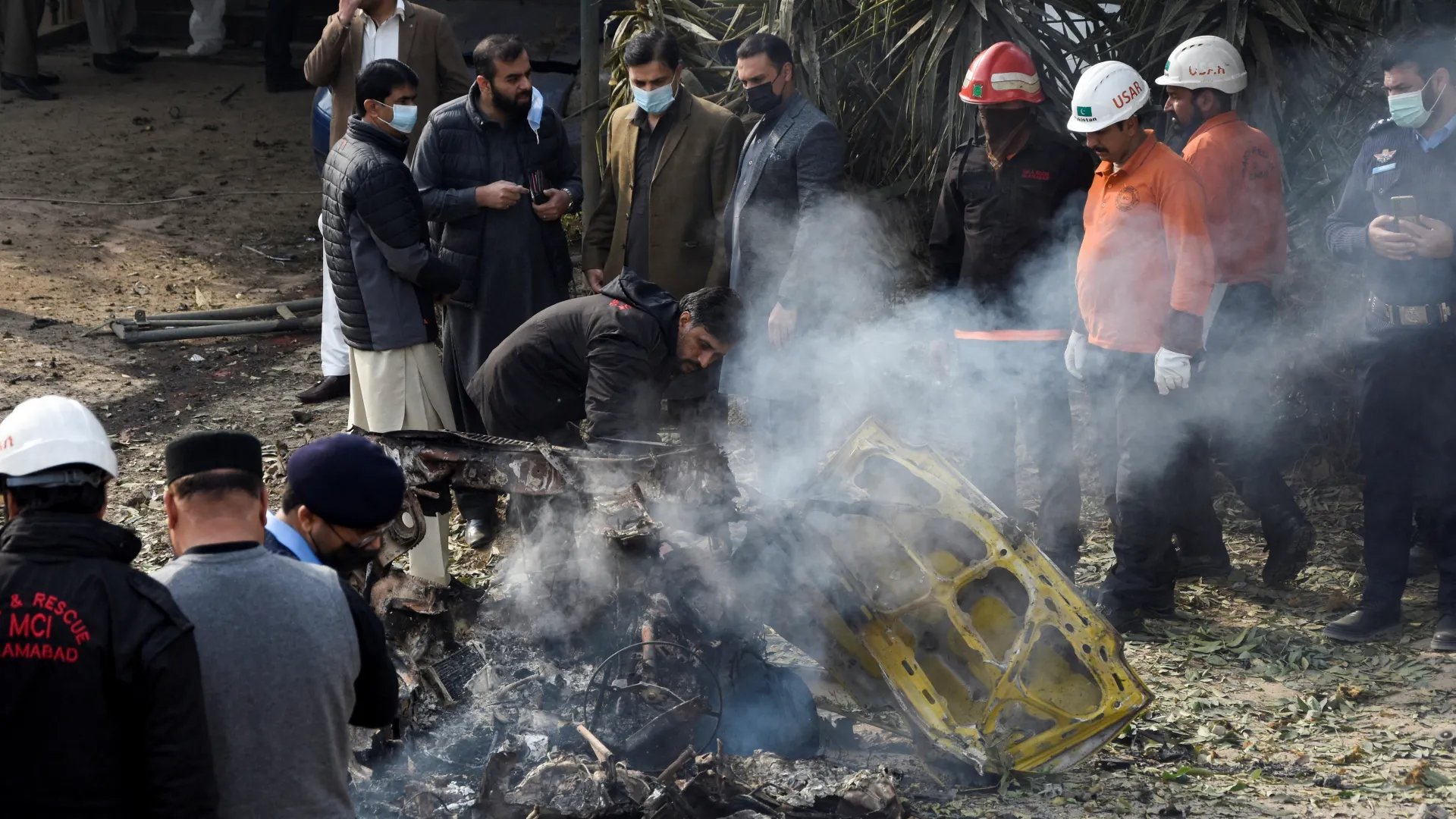









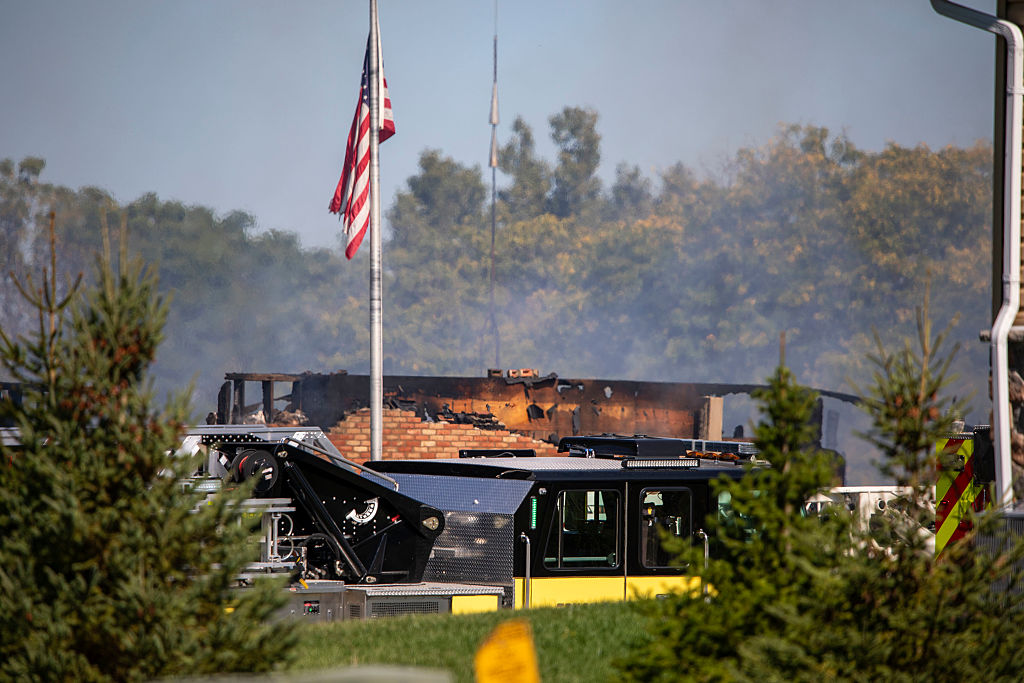










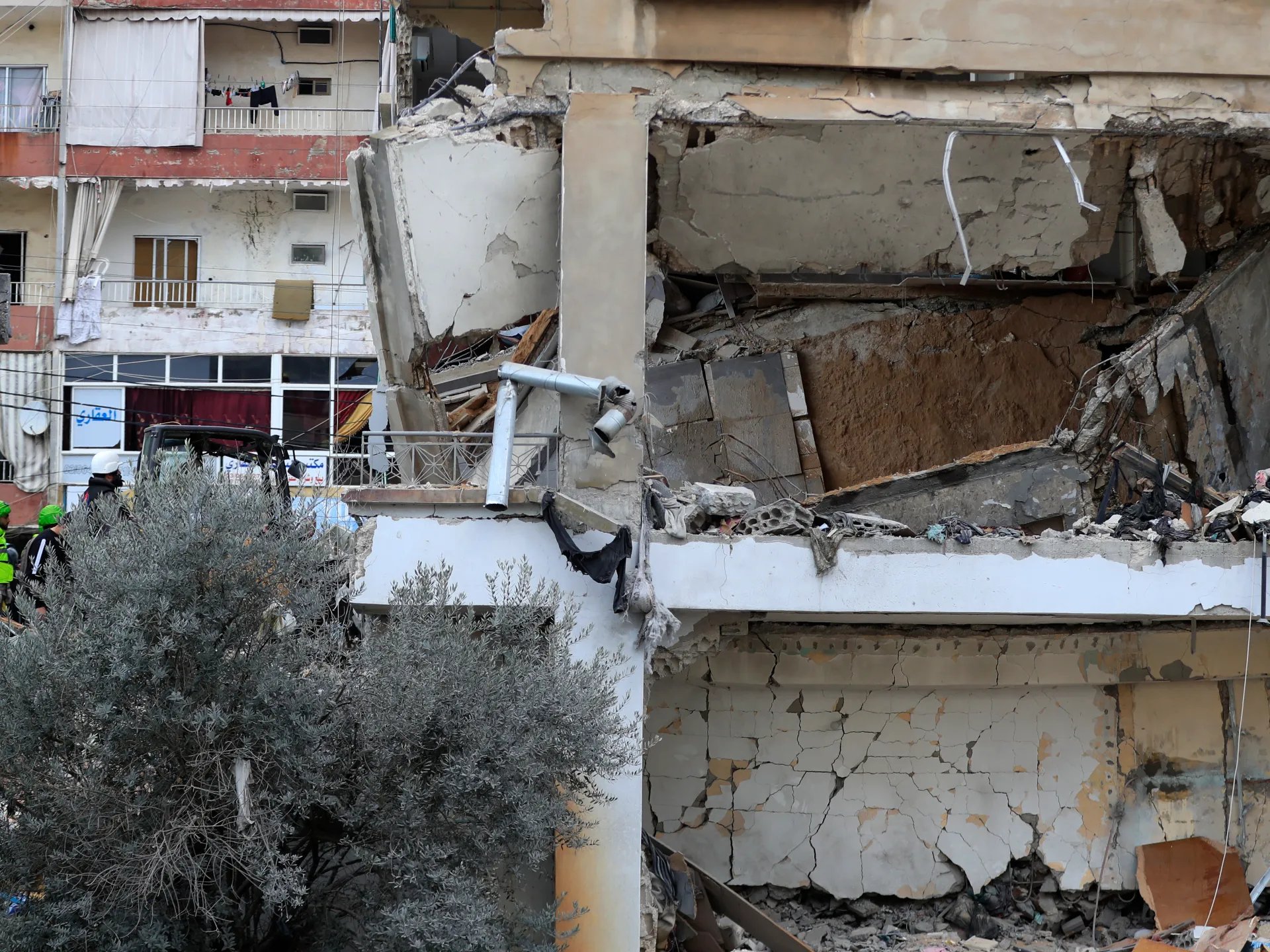

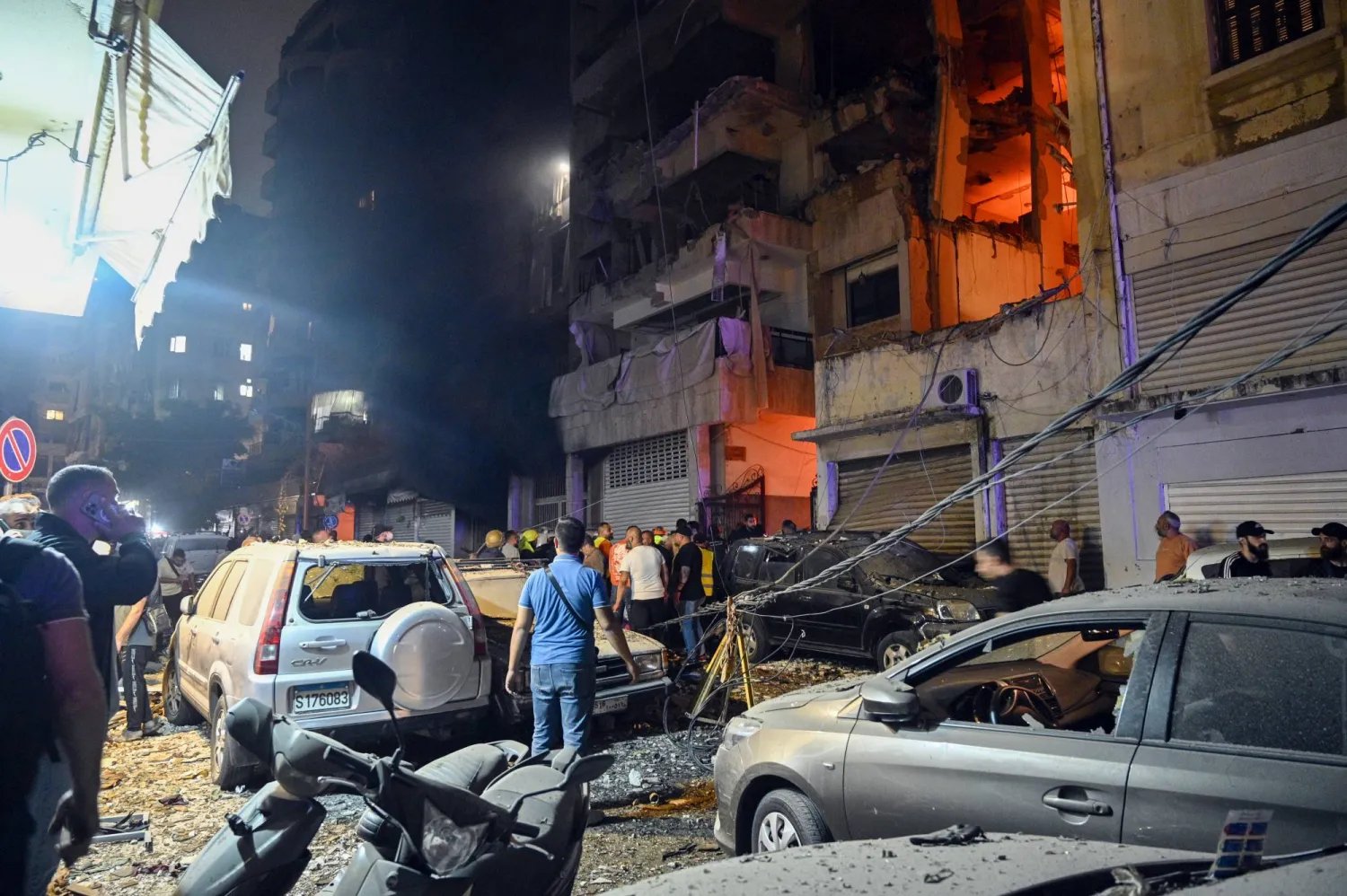


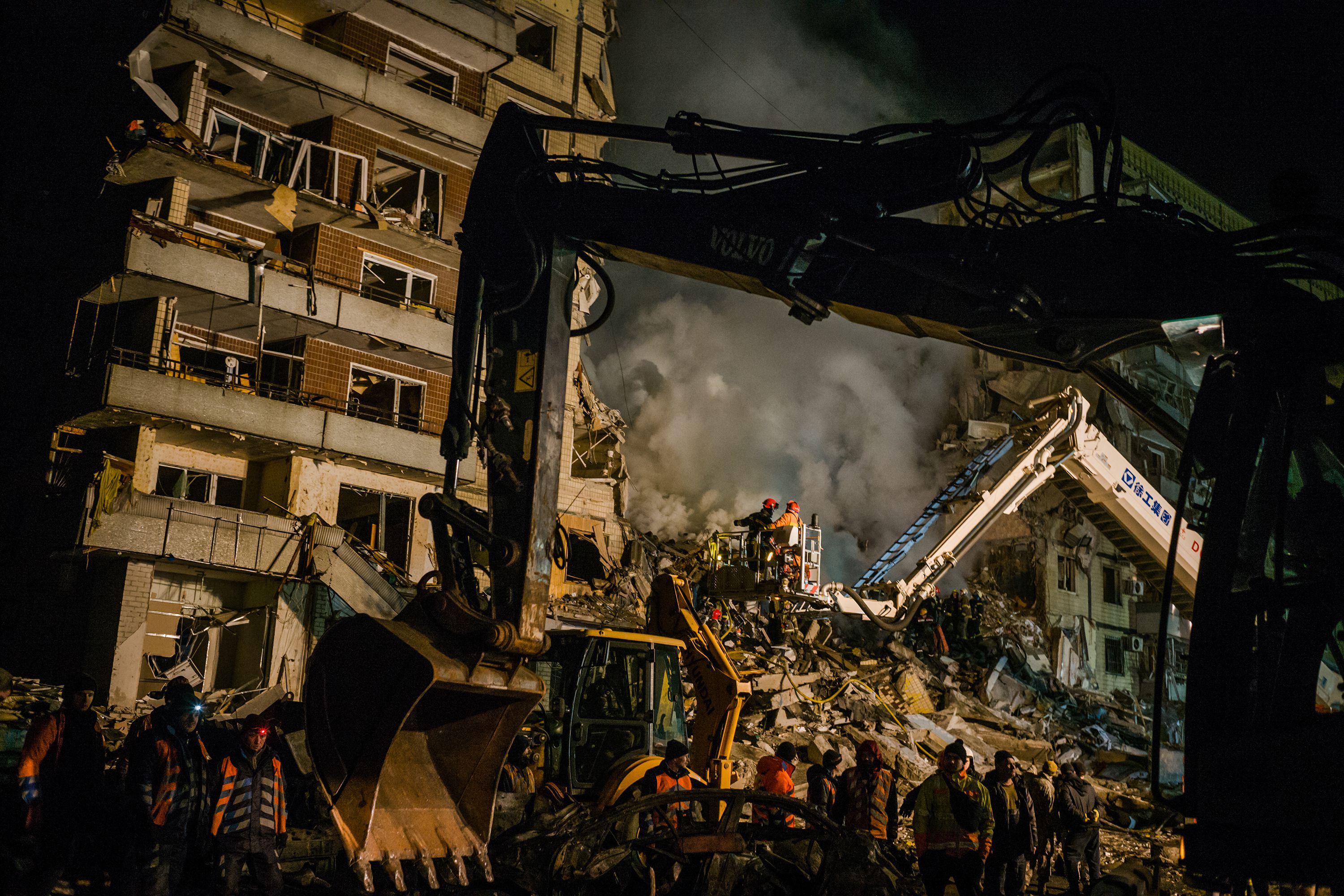






The sources also report that Defense Minister Sadio Camara was killed in Kati during an apparent suicide truck bombing at his residence, not in the broader context of fighting.